

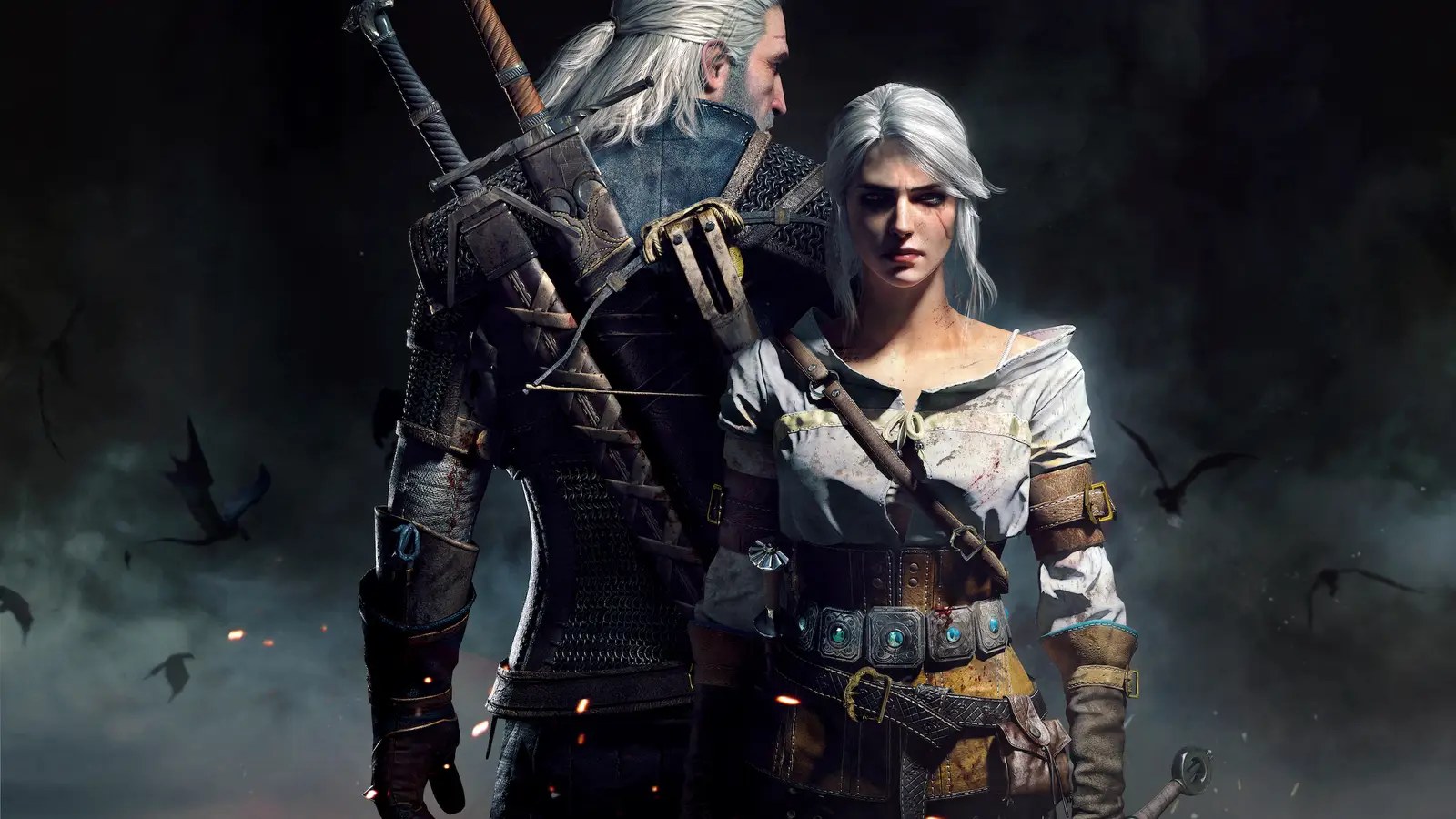
CD Projekt Red’s The Witcher 3: Wild Hunt — Remastered has surged to become the highest-rated game of 2026, following its release on September 29 as a free update to the beloved 2015 role-playing game. The remaster brings sweeping graphical enhancements and much-needed gameplay fixes to Geralt of Rivia’s landmark adventure, prompting a wave of players to rediscover the title nearly a decade after its original launch. What began as an ordinary software update has blossomed into one of the year’s most celebrated gaming moments, with critics and longtime fans alike praising the studio’s continued devotion to Andrzej Sapkowski’s fantasy universe.
The remastered edition arrives at a moment when nostalgia-driven re-engagement dominates much of entertainment. Players returning to Toussaint and Velen after years away have found that the game holds up remarkably well, with the visual overhaul breathing new life into landscapes many thought they had memorized. The update’s free availability across most platforms removed any barrier to entry, allowing a fresh generation of gamers to experience what has become one of the most acclaimed narratives in interactive entertainment.
A Quest That Reveals the Studio’s Devotion
For those revisiting the game for the first time or seeking to correct past oversights, Blood and Wine — the larger of the two expansions — offers a compelling entry point. Sending Geralt to the France-inspired nation of Toussaint, the expansion delivers one of CD Projekt Red’s most refined storytelling experiences. Within it, the side quest “The Warble of a Smitten Knight” demonstrates precisely why the studio has earned such deep respect from readers of the source novels.
The quest introduces young knight Guillaume de Launfale, who seeks to prove his love for the maiden Vivienne by throwing himself against rampaging monsters. Suspecting that she suffers under a curse, Geralt arrives at just the right moment to intervene. To reach her, however, the Witcher must take Guillaume’s place in an ongoing chivalric tournament — a setup that delivers textbook Witcher storytelling: colorful characters, an apparently simple premise concealing surprising twists, and a consequential choice whose tragic consequences ripple outward.
The games don’t try to adapt the source material; they expand it. All the Witcher games take place after the conclusion of the book series — a brave choice that insulated them from direct comparison while granting developers considerable creative freedom.
Analytical review of CD Projekt Red’s approach
Easter Eggs Rooted in Literary History
What elevates “The Warble of a Smitten Knight” beyond mere entertainment is its dense layering of references that reward devoted readers. When registering for the tournament, Geralt must select between two knightly titles: Geralt of Rivia or Sir Ravix of Fourhorn. The former traces back to Baptism of Fire, the third novel in the Witcher saga, where Queen Meve of Lyria and Rivia knights Geralt for his valor at the Battle for the Bridge — an act that also explains how he came by his famous designation.

Sir Ravix of Fourhorn runs even deeper. The alias originates from “A Question of Price,” a short story in The Last Wish, the first collection in Sapkowski’s series. There, Geralt attends the betrothal celebration of Queen Calanthe’s daughter Pavetta under this false name — the very event where he invokes the Law of Surprise, setting up his fated bond with Ciri and, by extension, the events that unfold across The Witcher 3.
The Secret Behind a Beloved Adaptation
In an era defined by endless remakes and recycled intellectual property, CD Projekt Red stands as a striking counterexample. Its secret lies partly in shared cultural understanding: the studio is Polish, as is Sapkowski, whose fantasy works are steeped in Polish and Slavic heritage. This common background allows developers to engage with the material not merely as commercial product but as inherited culture.
The decision to set the games after the books’ conclusion proved prescient. It shielded them from endless point-by-point comparisons while granting creative latitude — a freedom that yielded a story still regarded as a masterpiece nearly ten years later, having sold more than 65 million copies worldwide.
Looking Ahead
The remastered edition’s success in 2026 offers more than lessons for game development; it demonstrates how to handle a beloved cultural property with respect while contributing something genuinely new. As players continue to return to the world of The Witcher, one thing has become clear: CD Projekt Red’s devotion to its source material remains as vital today as ever.























1 comment