

As the 2020s settle into their final years, a fresh look back at the decade’s cinema reveals that science fiction has enjoyed a remarkably rich stretch on the big screen, and much of that richness lives in its dialogue. In assembling a roundup of the five most brilliant sci-fi movie quotes to emerge from the 2020s so far, this analysis draws on the era’s standout films to argue that the decade’s most memorable lines have come not from spectacle alone, but from scripts that have given characters genuine emotional and intellectual weight. From Bong Joon Ho’s dystopian thriller to Denis Villeneuve’s desert epic, these quotes capture why the 2020s have been such a rewarding decade for the genre.
There are still a few years remaining in the 2020s, but the decade has already proven itself a fantastic one for science fiction. The Dune films stand out as perhaps the biggest highlight, with director Denis Villeneuve finally bringing the proper scale to Frank Herbert’s 1960s novels to the screen. The 2010s were certainly a stronger decade for the superhero sub-genre of sci-fi, particularly for Marvel Studios, yet the 2020s have still delivered breakout comic book films such as Deadpool & Wolverine, Superman, and Spider-Man movie that broke box office records across Hollywood history. Even non-franchise sci-fi films have achieved greatness, including Project Hail Mary.
Why These Lines Matter
A huge part of the success of these films has been their scripts, which is precisely why this roundup set out to identify the best sci-fi quotes of the decade thus far. There are plenty of strong candidates to choose from and ample room for debate, and as the 2020s advance, at least a couple of these selections will surely be eclipsed by new favorites. For now, however, these five represent the strongest the decade has offered so far.
Mickey 17 and the Art of Understatement
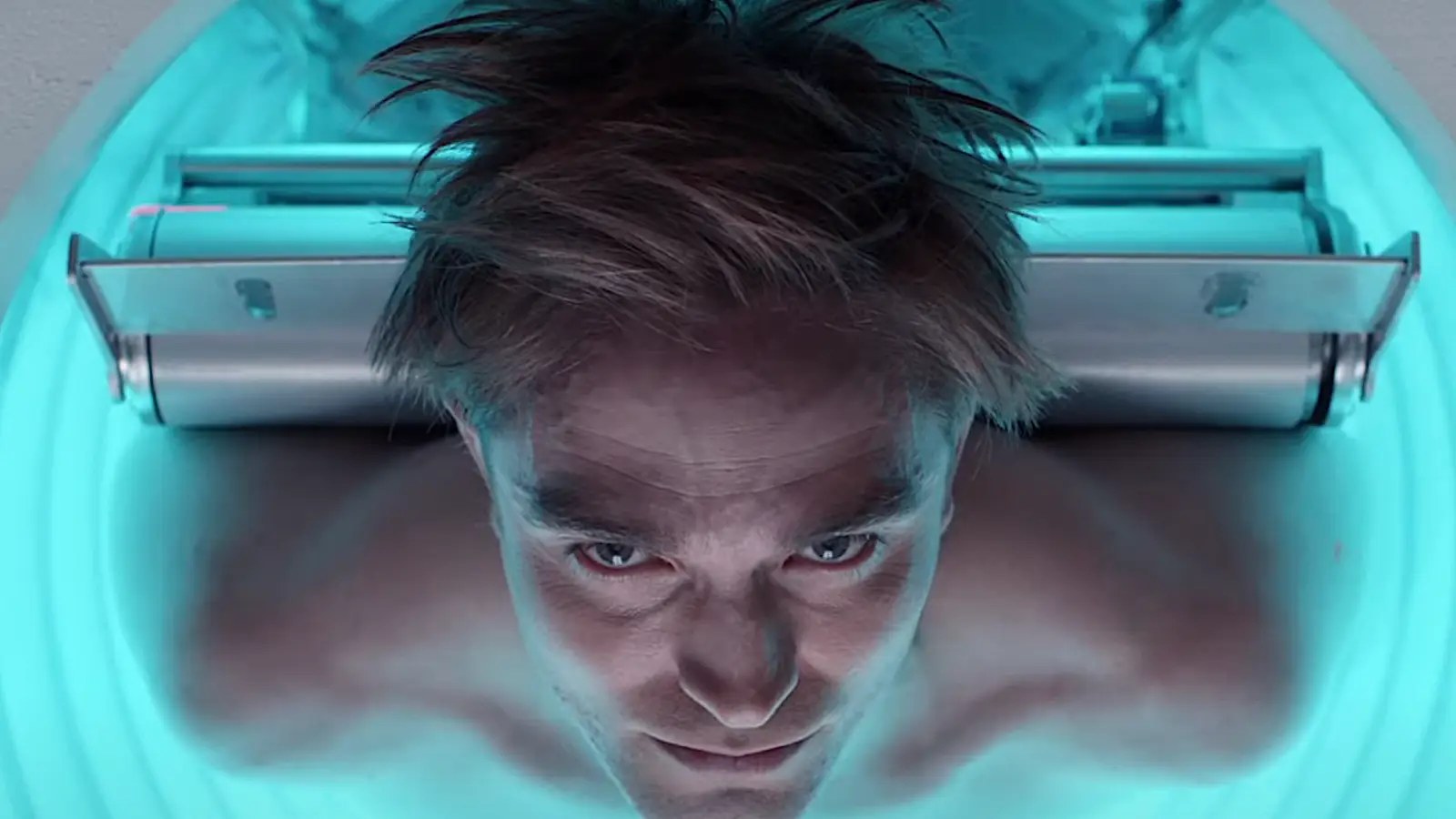
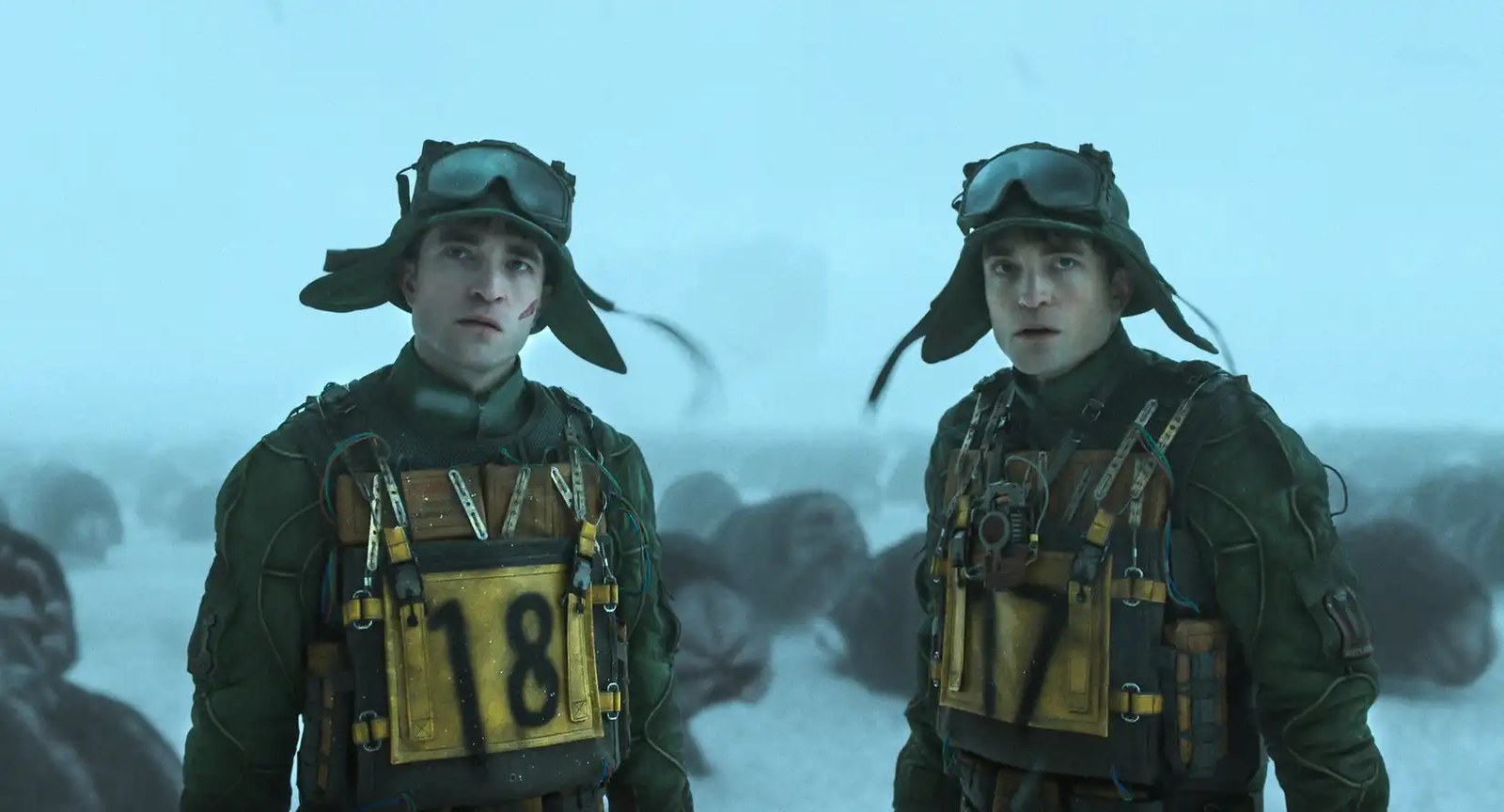
Bong Joon Ho’s 2025 film Mickey 17, which he both wrote and directed, features a wonderfully original, darkly funny concept. In a not-too-optimistic vision of the year 2050, the dirtiest jobs undertaken by mankind are handed to “expendables,” people who consent to being cloned repeatedly as long as they die on the job. Once an expendable dies, a new one is printed at the same age and uploaded with the most recent backup of the previous clone’s memories. Robert Pattinson plays Mickey Barnes in the film, along with his various clones, though the story centers on Mickey’s 17th clone, hence the title.
The movie is quite funny, and its darkest humor lands in Mickey’s narration, delivered with hilarious understatement like someone complaining about bad weather:
“Even on my 17th go-around, I hate dying.”
Mickey Barnes, played by Robert Pattinson in Mickey 17
Mickey 17 is a very good film, largely because of writing like this.
A Shakespearean Monument in 28 Years Later
Twenty-three years after the release of the 2002 zombie thriller 28 Days Later, director Danny Boyle and screenwriter Alex Garland returned with the follow-up 28 Years Later. With so many zombie movies already in the genre, it may be hard to imagine anyone finding new ground to explore, yet Boyle and Garland did exactly that through the wholly original character of Dr. Ian Kelson, played by Ralph Fiennes.
Kelson was a general practitioner before the world ended, and nearly three decades later he lives alone, studying those infected with the rage virus. Along the way he has erected a morbid, beautiful monument to the dead called the Bone Temple, assembled from thousands of skulls. When he explains the monument to Spike (Alfie Williams), the boy at the center of the film’s story, his explanation is nearly Shakespearean:
“There were so many dead, infected and non-infected alike. Because they are alike. Every skull is a set of thoughts. These sockets saw and these jaws spoke and swallowed. This is a monument to them, a temple.”
Dr. Ian Kelson, played by Ralph Fiennes in 28 Years Later
Superman’s Uplifting Defense of Humanity
Granted, this entry is as much a monologue as a single quote, but it is too good to omit. In 2025, James Gunn’s Superman finally restored a sense of optimism to the Man of Steel. Superman is a character audiences must believe in, and Gunn, who wrote and directed the film, achieved that with the help of actor David Corenswet.
Superman can be difficult to relate to given his immense power, yet the film imbued him with humility and vulnerability, making him the best representation of the character since Christopher Reeve. The greatest example of that relatability arrives when he confronts Lex Luthor (Nicholas Hoult) toward the end of the film. After Hoult insults Superman, reducing him to nothing more than an alien, Superman responds with a speech that is positively uplifting and exemplifies his innate goodness.
“That is where you’ve always been wrong about me, Lex. I am as human as anyone. I love, I get scared. I wake up every morning, and despite not knowing what to do, I put one foot in front of the other, and I try to make the best choices I can. I screw up all the time, but that is being human, and that’s my greatest strength. And someday, I hope, for the sake of the world, you understand that it’s yours too.”
Superman, played by David Corenswet in Superman
A Timeless Litany in Dune
Technically, this line dates back to 1965, as Frank Herbert included it several times in his original Dune novel, but Villeneuve, along with his two co-screenwriters Jon Spaihts and Eric Roth, also deployed it to great effect in the 2021 film.
“I must not fear. Fear is the mind-killer. Fear is the little-death that brings total obliteration.”
The Litany Against Fear, from Dune 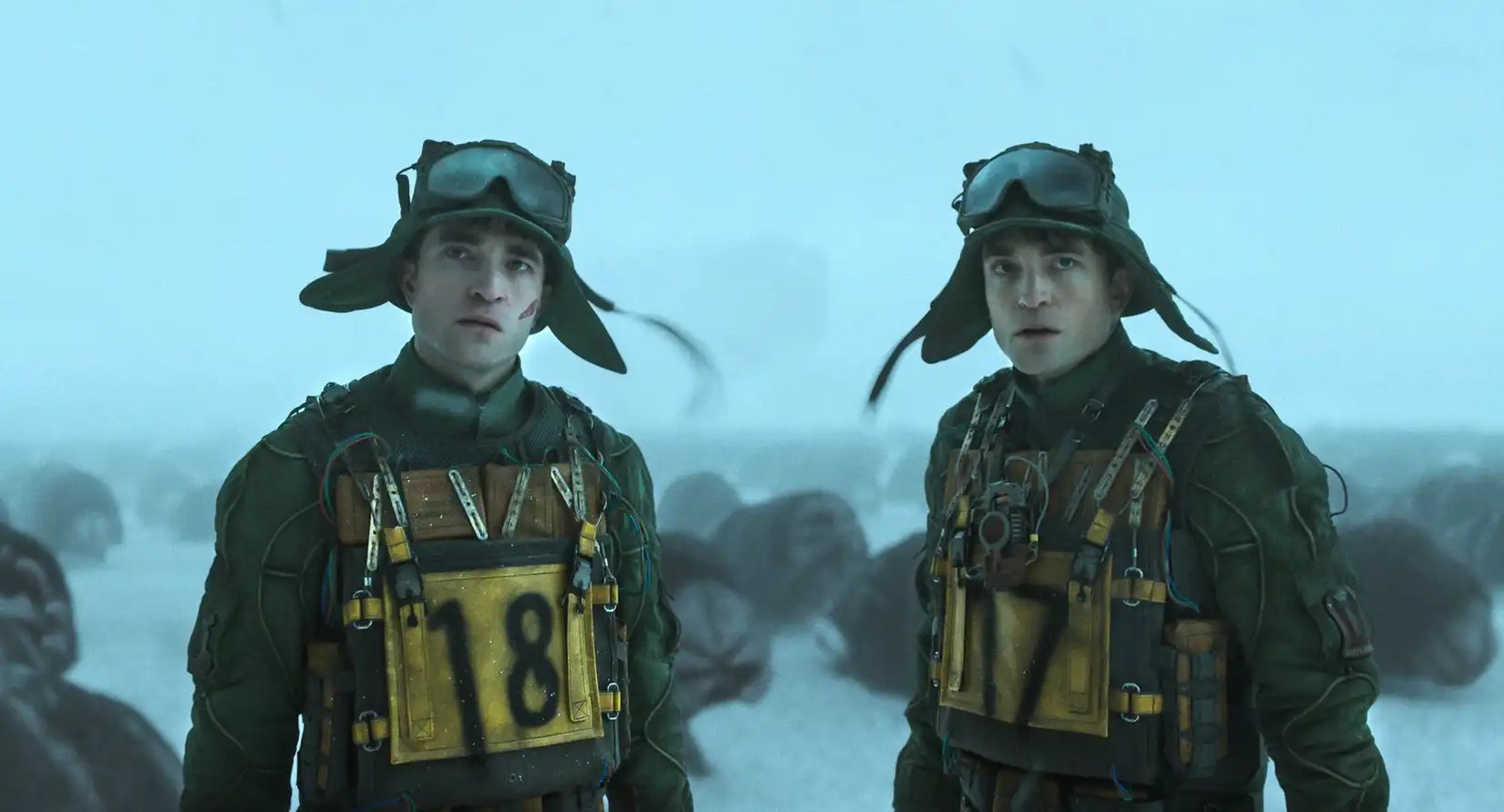
This is the opening line of the “Litany Against Fear,” a mantra used by members of the House of Atreides, a noble family at the center of the struggle for control of Arrakis, a harsh desert planet containing spice, the universe’s most valuable resource. Several characters speak this line in both the novel and the film to fortify their will against impossible odds, and it remains just as resonant in the 2020s as when Herbert first wrote it.
The Heartfelt Core of Project Hail Mary
The beauty of Project Hail Mary is how uplifting it is. The film follows a scientist named Ryland Grace (Ryan Gosling) who travels to a distant star to find a way to save Earth from destruction by what is essentially a solar virus. Early in the film, however, he is convinced he is not equipped for space travel or the responsibility of the Earth-saving mission.
In one early scene, Grace speaks with mission commander Yao Li-Jie (Ken Leung) and tells him, “I don’t have the bravery gene that you all have.” With a sense of moral certainty, Yao replies:
“It’s not a gene. You just need someone to be brave for.”
Yao Li-Jie, played by Ken Leung in Project Hail Mary
At that moment, Grace almost dismisses what seems like a platitude, but this sincere, heartfelt quote proves to be the core of the whole film, as Grace learns to be brave for the sake of all mankind.
Looking Ahead
With only a few years left in the 2020s, these five quotes stand as strong representatives of a decade that has continually reminded audiences that the most enduring moments in science fiction cinema often arrive not through visual grandeur, but through the words characters speak. As new films continue to arrive, some of these lines may be joined or even surpassed by fresh favorites. For now, though, they remain among the finest the genre has produced, proving once again that a well-crafted line can outlast the spectacle that surrounds it.



Join the conversation