BBC Boss Calls AI-Generated Doctor Who Episode “Pretty Good,” Says Tech Now Enables Hollywood-Standard Content
The BBC's new director general has described a 50-minute AI-generated episode of Doctor Who as "pretty good," and suggested that the technology now...
By Gamer24H Editorial Team4 min read
The BBC’s new director general has described a 50-minute AI-generated episode of Doctor Who as “pretty good,” and suggested that the technology now enables the creation of content “at the standard of a Hollywood studio.” Will Brittin, who took the helm of the UK’s iconic broadcaster in May after nearly two decades at Google, made the remarks this week at the Royal Television Society conference in London, offering one of the most prominent endorsements yet of artificial intelligence in content creation from the top of a major public-service media organization.
“Somebody sent me a 50-minute episode of Doctor Who that was AI-generated the other day,” Brittin said, according to Variety. “It’s pretty good. I mean, it’s not going to replace humans, and we’ll come on to that.” He then expanded on his broader view of the shifting media landscape, noting that “everyone’s a creator. Not all the creativity is bad,” and arguing that “everyone’s got the ability in their hands—or six billion people have—to create content at the standard of a Hollywood studio.”
A Leader Stepped In From Silicon Valley
Brittin’s comments carry particular weight given his background. After almost 20 years at Google, where he rose to become the company’s UK managing director, he became the BBC’s director general this May, inheriting a corporation grappling with severe financial pressures. He now faces the difficult task of delivering further drastic cuts to spending while the BBC continues to strive for world-class programming, including its flagship sci-fi adventure series, which is currently on hiatus after a difficult few years.
The situation is a delicate one. The BBC must balance austerity with ambition, and any suggestion that AI could be woven into its most valuable franchise has been met with skepticism by a fanbase that has grown increasingly frustrated with the show’s recent trajectory.
The Troubled History of a Franchise in Transition
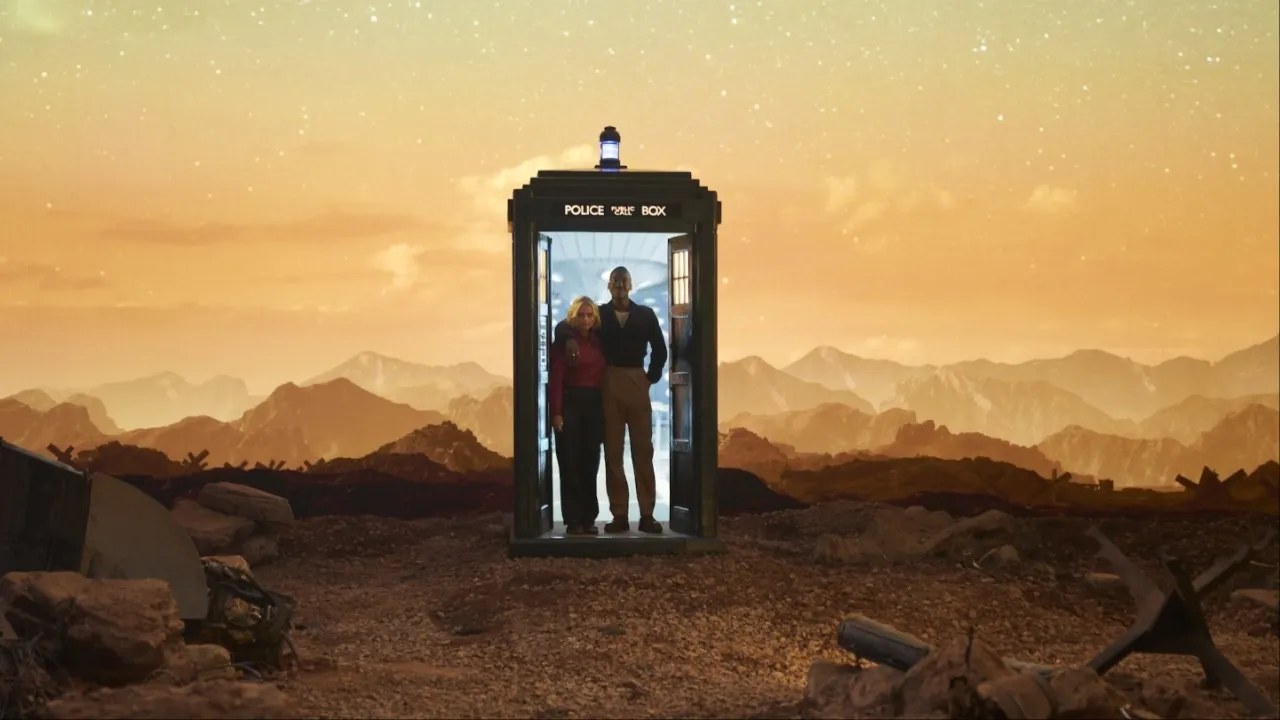
Doctor Who fans largely agree that their favorite show has declined in quality over the years, particularly across the past two seasons, which featured Ncuti Gatwa in the role and the return of Russell T Davies as showrunner. After just two seasons, that era was unceremoniously ended when co-funding partner Disney ditched the series, prompting the departure of Gatwa in a reshot ending. A later promise to mount a one-off Christmas special that could tie up the era’s remaining plotlines was also scrapped, with Davies and production company Bad Wolf exiting.
Now, the BBC has begun looking for a fresh production house to take the show forward, a process it wants to result in new episodes arriving in either 2028 or 2029. The search underscores how much is at stake for the long-running series as it seeks to reinvent itself for a new chapter.
“Everyone’s a creator. Not all the creativity is bad. Everyone’s got the ability in their hands—or six billion people have—to create content at the standard of a Hollywood studio.”
Will Brittin, BBC Director General
The Likely Source of the AI Episode
While Brittin did not name the AI project he watched, it is almost certainly the 50-minute first episode of the fan-made project The Unmade Season, which features an AI-made continuation of the series. Having watched a chunk of it, the result is as good as one might expect AI to be—almost photorealistic but narratively still fairly flawed. The show picks up with a new incarnation of the Doctor who regenerates from David Tennant’s 14th Doctor, played by a Scottish-sounding AI actor. Scenes feature various AI oddities, though they also incorporate familiar Doctor Who monsters such as the Slitheen and the Ood.
All in all, it is not very good. And as a Doctor Who fan, it is particularly odd to hear the boss of the BBC offering any sort of praise to content—even non-commercial fan content—that appears to have been generated by regurgitating the BBC’s own copyrighted episodes. The ethical and creative questions surrounding such work remain unresolved, and the corporation’s stance on them is far from clear.
Looking Ahead
While budgets may be tight, many hope this is the extent of the BBC’s relationship with AI when it comes to Doctor Who going forward. As the broadcaster searches for a new production house and plans for a return in 2028 or 2029, the question of how far it is willing to embrace emerging technology will likely remain a contentious issue among staff and fans alike. For now, Brittin’s endorsement stands as a striking signal that the debate over AI in mainstream broadcasting is only just beginning.
Copyright in the content and news published on this platform is not reserved, and the material may be shared with attribution. Much of the news is compiled from publicly available domestic and international press sources. Responsibility for the accuracy of claims, data, and material attributed to those sources rests with the source organizations; the platform does not assume responsibility for them. Third-party images, logos, and openly licensed materials remain subject to their original source and license terms.
To submit original news, articles, press releases, or content notices for publication, please contact us:



1 comment