

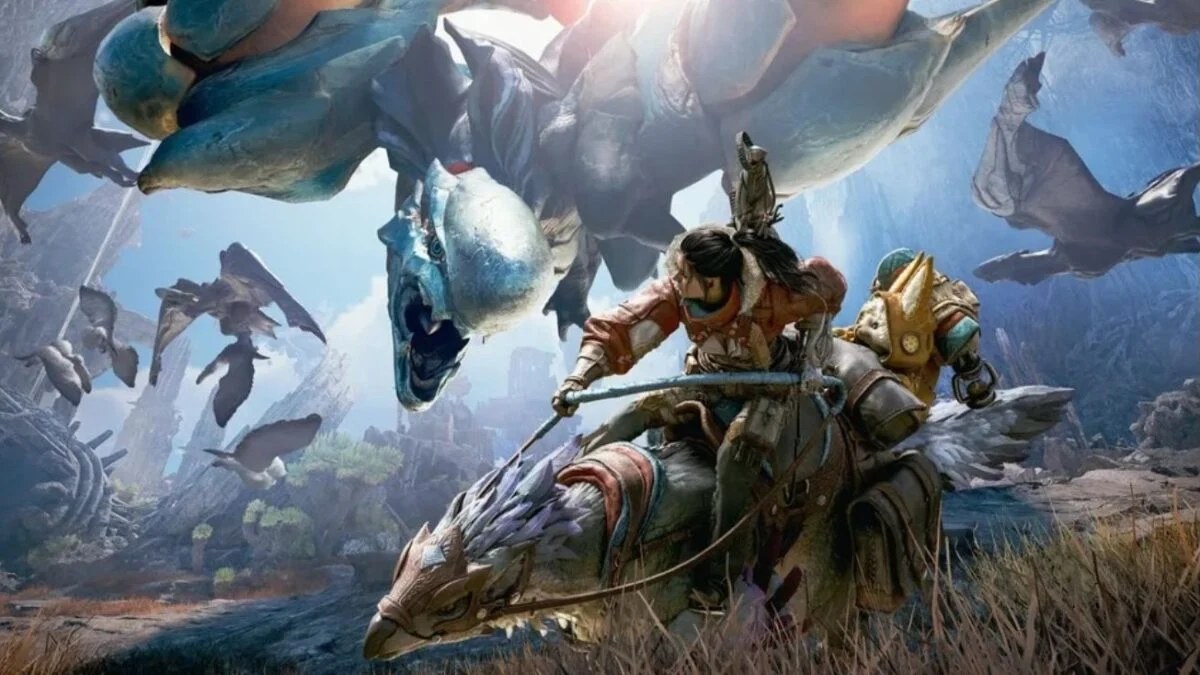
Capcom is doubling down on Monster Hunter Wilds’ long-term ambitions with its upcoming Ascendance expansion, a major content update that promises to overhaul the game’s difficulty curve and endgame depth. Announced at Tokyo Game Show 2026 and slated for release in 2027, the expansion introduces a new Master Rank difficulty tier, a fresh aerial zone, and a weapon-based super-attack system that the developers say will deliver the challenge and depth veteran players expect from the franchise.
The announcement arrives nearly two years after Wilds’ launch, a period during which Capcom has steadily refined the title following a rocky debut. While the game remains a strong seller and has earned growing goodwill from fans through a steady stream of updates and events, its initial release drew criticism for underperforming PC optimization and for a streamlined difficulty that many longtime players felt diluted the series’ traditional challenge. Ascendance appears to be Capcom’s direct response to those concerns.
Addressing the feedback
Monster Hunter series producer Ryozo Tsujimoto emphasized that the team has been carefully reviewing community input from both newcomers and dedicated fans since launch.
“With Monster Hunter Wilds, we received a lot of feedback from a wide range of players—this includes those who started their Monster Hunter journey with Wilds as well as longtime, dedicated fans of the series. The entire development team has been reviewing that feedback and working hard to meet the community’s expectations. We’re applying the experience and insights we’ve gained not only to updates for Wilds, but also to our upcoming expansion, Monster Hunter Wilds: Ascendance.”
Ryozo Tsujimoto, Monster Hunter series producer
The expansion, which debuted at Tokyo Game Show 2026, is being positioned as far more than a straightforward story continuation. According to game director Takuro Hiraoka, it represents a comprehensive evolution of the base game rather than a simple sequel within it.
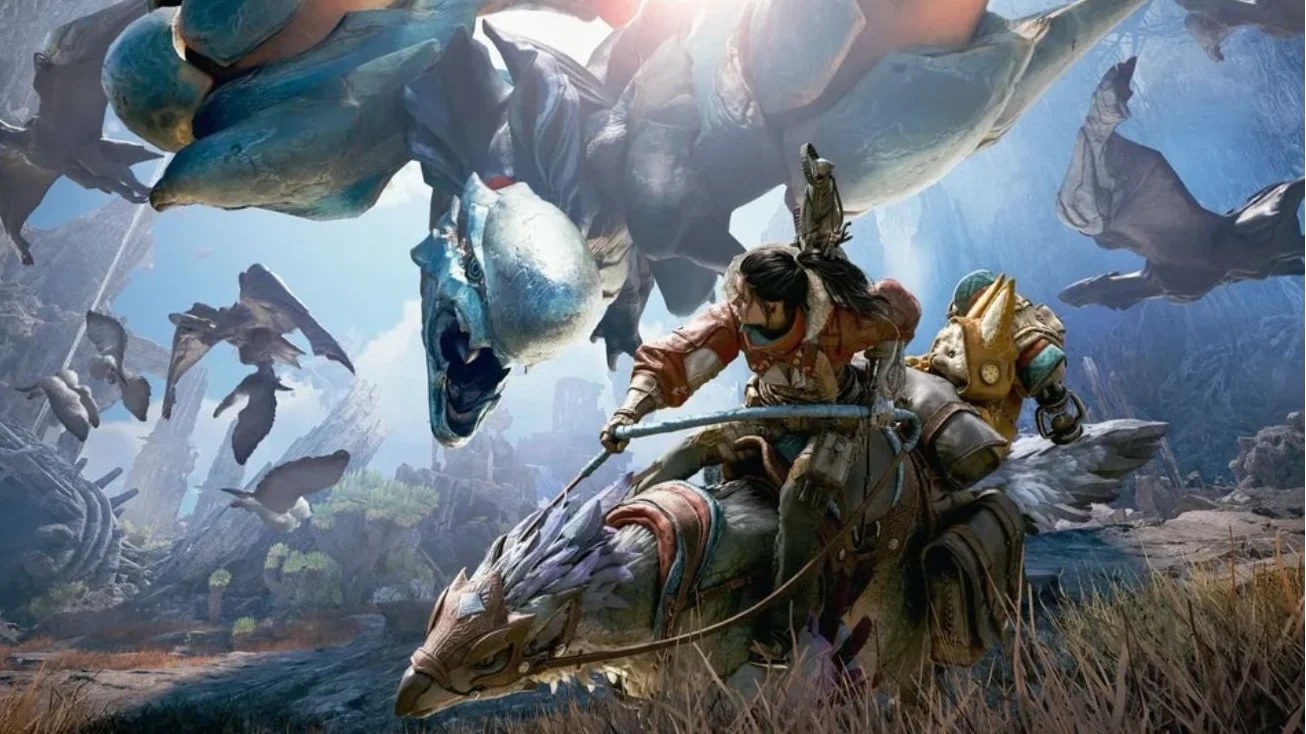
“To put it simply, the concept behind Ascendance is a true evolution of Monster Hunter Wilds. While Wilds serves as the foundation, we want to build on what worked well, while thoroughly improving and raising the overall quality of areas that we felt could or should be improved, as well as aspects where we’ve received requests for improvement from our players. Our goal is to make the overall experience, including both Wilds and Ascendance, something that even more players can enjoy.”
Takuro Hiraoka, Ascendance game director
A new world and a new power
The expansion’s story campaign picks up several years after the events of the base game and its hunters’ guild efforts to restore the Windward Plains. When the elder dragon Lao-Shan Lung returns and destroys the guild base, the crew comes back years later with greater experience and improved gear to venture into the Skybound Eyrie, a new aerial territory featuring more vertical and visually complex terrain to navigate. This stands in contrast to familiar zones such as the Windward Plains and Scarlett Forest.
Alongside the new location, hunters will face a suite of fresh quests, craftable gear, and monsters, including the Araketa and its minions, which attack in coordinated swarms. To counter these fiercer foes, players can unlock the Boost Bracer ability through the Ascendance campaign, allowing them to unleash a super attack with their chosen weapon alongside a limited-time boost phase that amplifies combos and strikes.
The mechanic draws a comparison to the Devil Trigger ability from Devil May Cry, supercharging hunters for a short window and letting a full squad unleash anime-inspired super moves. The addition is likely to reignite an ongoing debate among fans about whether such boost-based abilities belong in Monster Hunter, a discussion Capcom seems comfortable inviting.
Bringing back the Master Rank
Perhaps the most significant change for veteran players is the return of Master Rank, the series’ most demanding difficulty tier. One of the central criticisms of the base Wilds was its overly generous resources and streamlined encounters, which some felt trivialized combat. Ascendance aims to correct that balance while offering deeper endgame content.

“We’re aware that we’ve received a wide range of feedback regarding areas such as streamlining, difficulty, and endgame content. With Ascendance, we’re introducing a new quest rank, Master Rank, and first and foremost, we want to make sure it delivers the level of challenge and depth that players would expect from Master Rank. As players progress and quests become more difficult, we want to create that desire to think, ‘I want to craft that armor,’ or ‘I want to make a set with this element,’ then craft and use it to take on the next level of difficulty. We want players to fully experience and enjoy that core Monster Hunter gameplay loop.”
Takuro Hiraoka, Ascendance game director
Hiraoka noted that once players obtain the equipment they’ve been working toward, the team aims to provide challenging quests where they can test their skills against the franchise’s most demanding encounters.
Looking ahead
With its focus on a more satisfying top-level experience, Ascendance suggests Capcom is targeting the dedicated player base that has already explored Wilds’ open-world zones. The expansion will also reintroduce legendary beasts such as Teostra and Khezu alongside the returning elder dragons, reinforcing its pitch as a culmination of the game’s two-year evolution.
As the 2027 release window approaches, the team’s emphasis on depth and challenge positions Ascendance as a potential turning point for Monster Hunter Wilds, potentially answering the criticisms that shadowed its launch while rewarding the fans who stuck with it along the way.



2 comments