

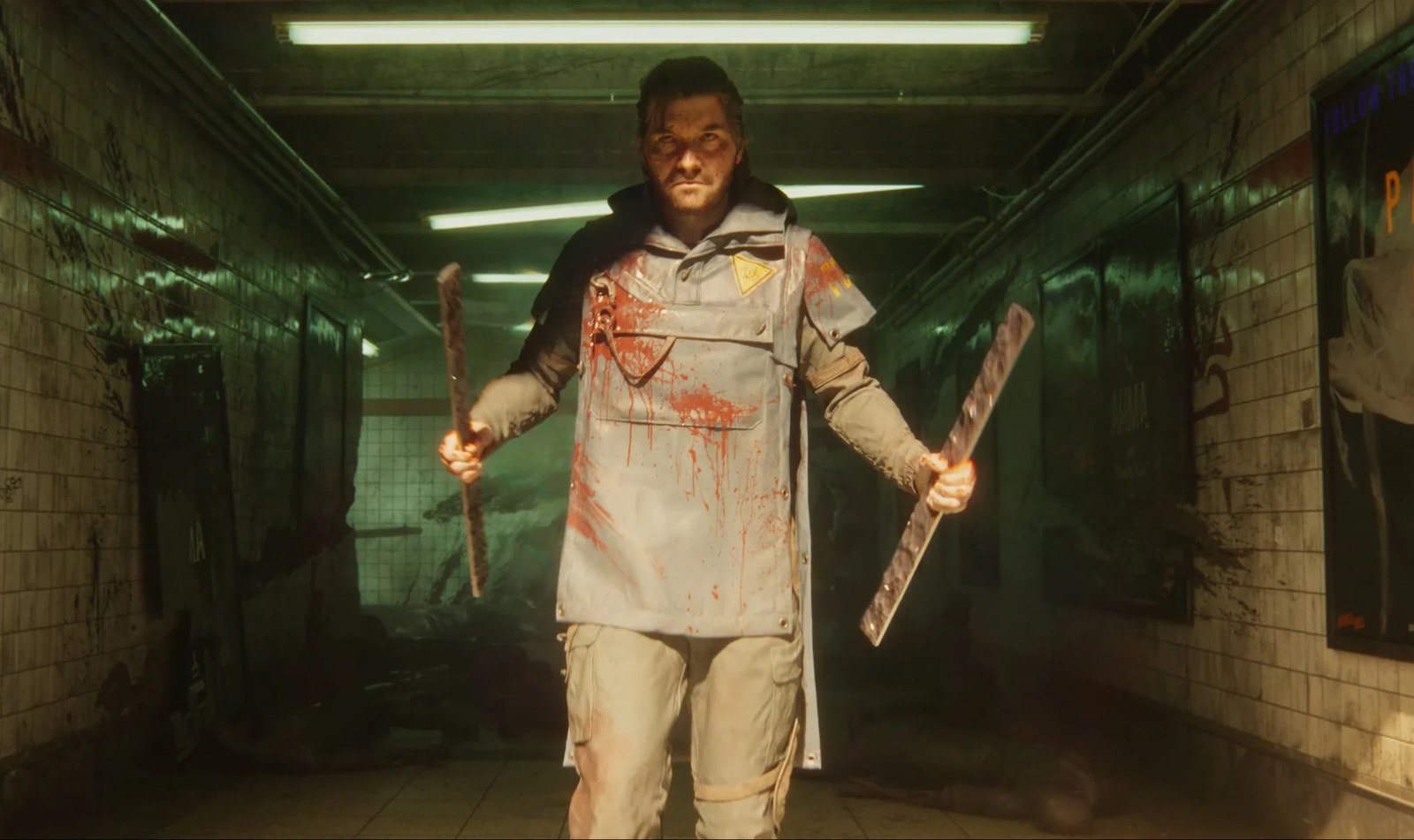
Remedy Entertainment’s open-world action-RPG sequel Control: Resonant has deliberately chosen not to paint bright yellow markers on ledges, doors, and chests to steer players toward objectives, according to the game’s director. In a new interview released this week on the Dropping Frames podcast, director Mikael Kasurinen explained that the studio behind the 2019 original made a deliberate creative decision to forgo the industry’s most ubiquitous navigation crutch, instead relying on lighting, in-world props, and environmental design to guide players through its much larger map. The game, which launched this week on consoles and PC, embraces the ambiguity as a core design philosophy rather than treating it as an oversight.
Control: Resonant marks a significant departure from its predecessor, expanding Remedy’s supernatural mystery into a sprawling open-world format that places a far greater emphasis on exploration. Yet despite the enlarged scope and the natural temptation to spell out every path for players, the development team resisted the temptation to scatter the world with the familiar yellow splashes that have become a hallmark of modern open-world design. Instead, the studio leans on subtler, more immersive techniques to point adventurers in the right direction.
A Design Philosophy Rooted in Player Autonomy
For Kasurinen, the choice comes down to a fundamental theory about what makes games resonate with players. He pointed to a balance of competence, autonomy, and relatedness as the pillars of a well-crafted experience, and he identified autonomy as the single most important factor when it comes to navigation design. This is precisely why he prefers to steer clear of obvious markers, a stance that drew a direct comparison to the much-debated guidance systems seen in recent releases.
“It was a conscious decision, obviously.”
Mikael Kasurinen, Director of Control: Resonant
Kasurinen elaborated on his reasoning, emphasizing that players should feel a genuine sense of ownership over their decisions within the world. He referenced the controversial “fart trails” that guide players through Insomniac’s Wolverine as an example of the kind of heavy-handed direction he wants to avoid.

“It’s so important that the players feel like they’re the ones figuring it out. It’s the job of us as creators to… it is a crafted experience at the end of the day, right? You have to find the right balance between ‘here’s the world’ and ‘here are the different themes and elements that you have to pay attention to.’ But it has to feel like it’s on you to make a decision on what to do with those elements that you see within the world. If it feels like it’s like ‘go here,’ it’s not anymore a decision for the player. Somebody already decided for you.”
Mikael Kasurinen, Director of Control: Resonant
Embracing the Risk of Ambiguity
The director was candid about the trade-offs involved in this approach, openly acknowledging that some players may find Control: Resonant “impenetrable” in its early hours. Without explicit signposting, newcomers may struggle to determine what to do or where to go next. But Kasurinen does not view this as a flaw; rather, he sees it as an intentional feature that rewards engagement and discourages passive play.
“Nothing fucking better than it feels like I found my way to do it. … They can’t be outsiders who just kind of look at stuff. They have to be there, participating in the work of figuring out what to do. And that we’re not going to tell them necessarily directly, and that’s a difficult thing because it can alienate a lot of people really quickly with that. So yes, it is a bit of a risky thing, but I ultimately believe that that’s the right way to go about this, and that’s the right approach, and that’s the thing that will truly, at the end of the day, stand the test of time.”
Mikael Kasurinen, Director of Control: Resonant
His comments arrive amid an ongoing industry conversation about how much freedom developers should afford players versus how much they should guide them. Recent titles such as Insomniac’s Wolverine have drawn criticism for being overly “inrails,” sparking debate about studios’ willingness to trust their audiences. Kasurinen’s approach represents a deliberate counterpoint to that trend, betting that genuine player agency will create a more memorable and enduring experience.
Looking Ahead
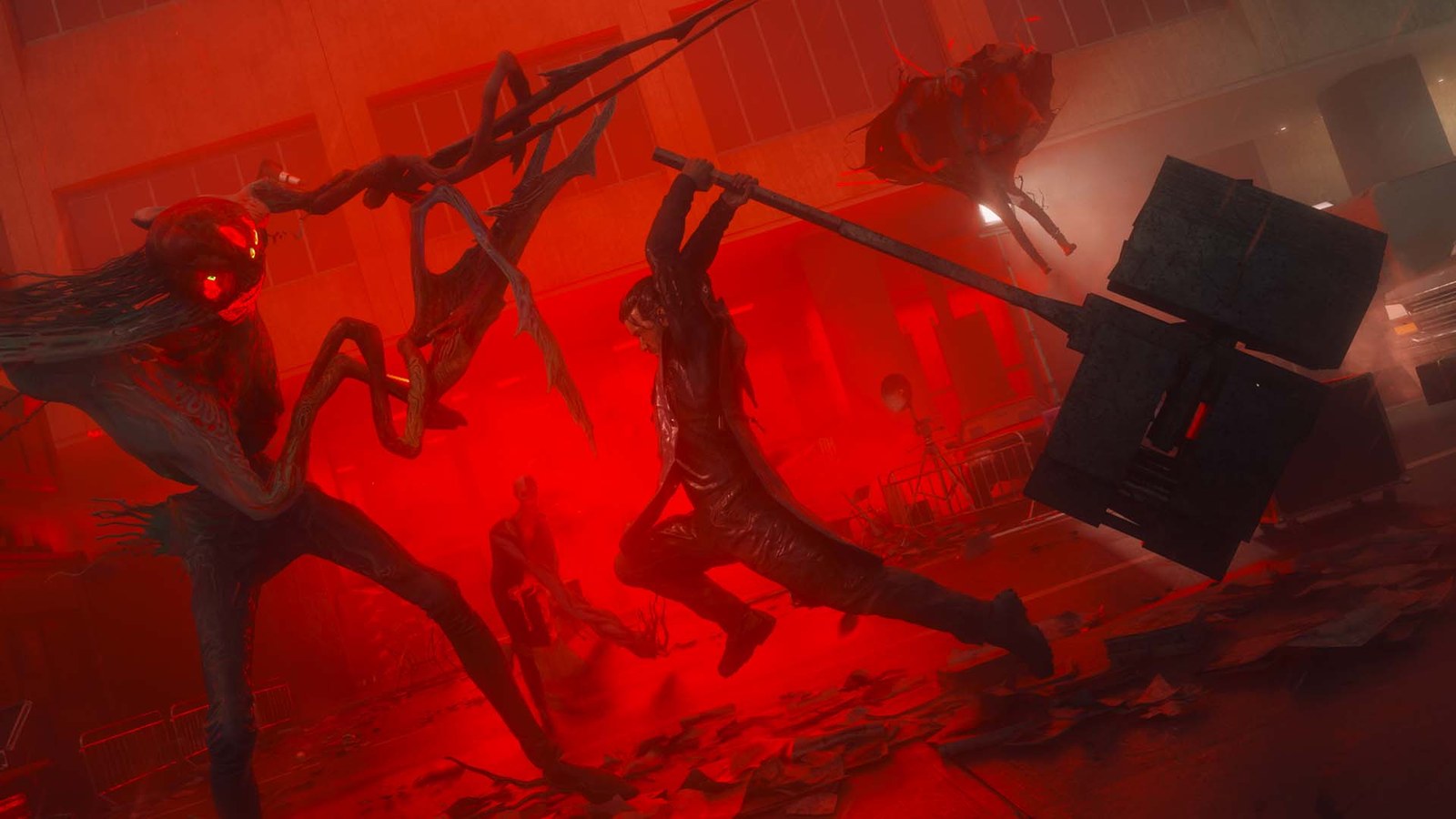
Since its launch, Control: Resonant has already received a day-one patch that adjusts difficulty, making enemies easier to kill and reducing the health pools of certain bosses in response to player feedback. The studio has also drawn attention for its nuanced approach to accessibility, opting to ship the game as intended while offering granular customization for those who need it. As the game continues to find its audience, Kasurinen believes the design choices will pay off over time, encouraging players to return to the world and reflect on their decisions.
“People will be coming back to this game, exploring, trying to kind of find out things and so on. It’s not something that you kind of go through, you did what you were told, and you’re done. … I want people to think like that. I want them to kind of, you know, doubt, go back, check again, see what they could do differently, because that’s life. That’s what makes it sticky and interesting. If you want to get the most out of this world, you have to participate. That’s the key thing.”
Mikael Kasurinen, Director of Control: Resonant
As players continue to explore the vast world of Control: Resonant, the absence of yellow paint will remain a defining characteristic of its design. Whether that choice wins over those seeking clearer direction or alienates them is a question Remedy has clearly decided to leave up to the players to answer for themselves.



1 comment