

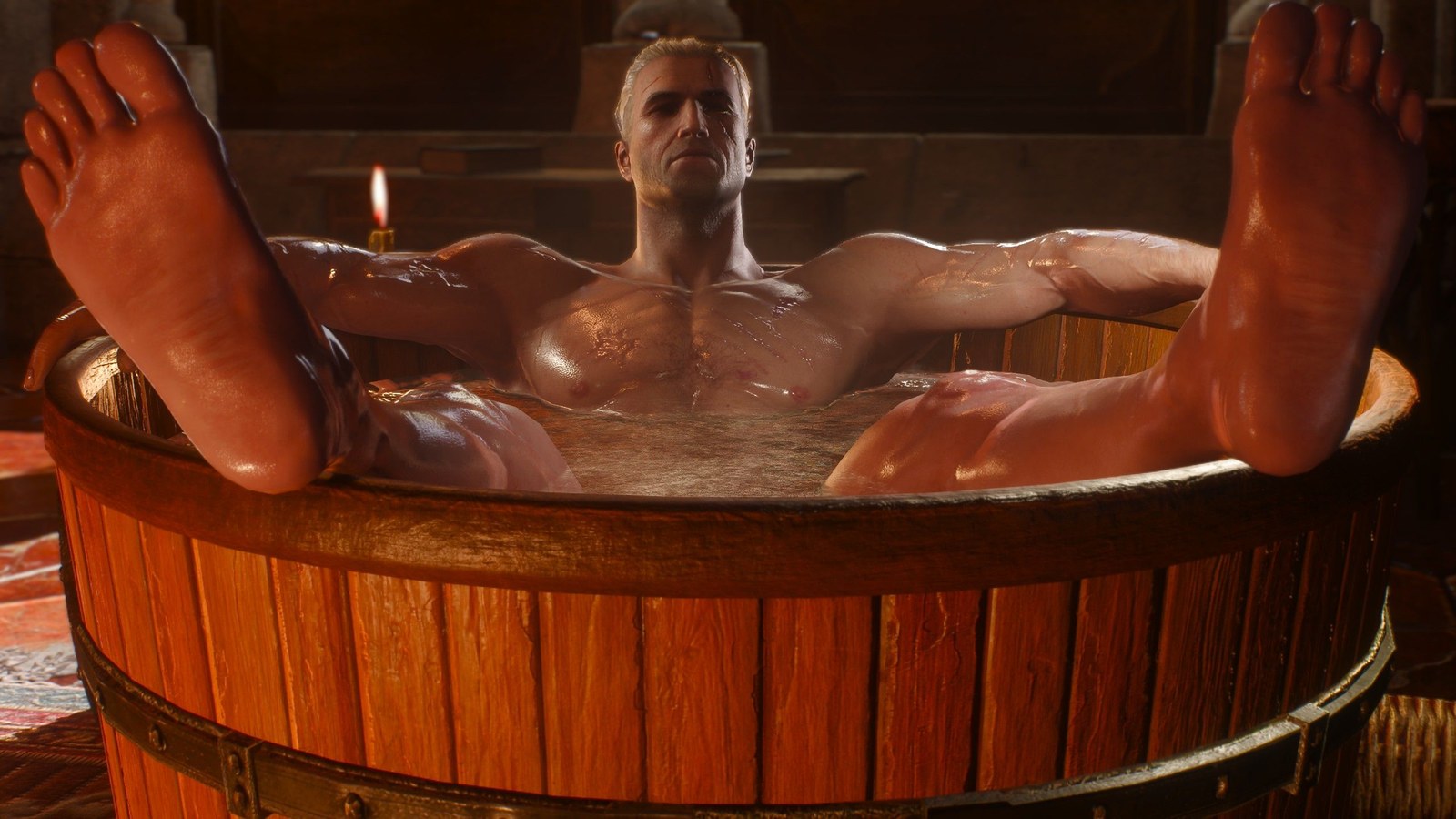
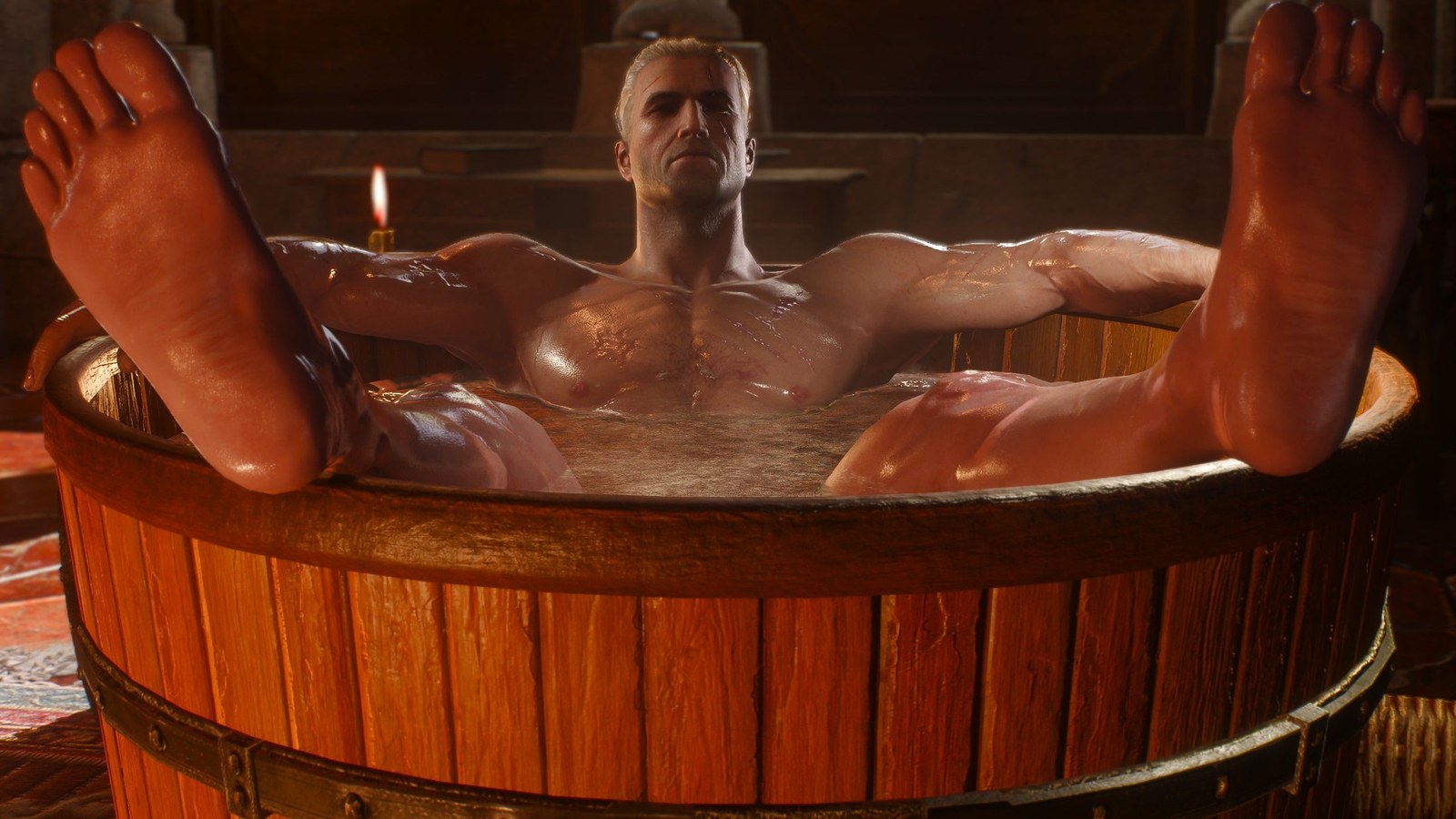
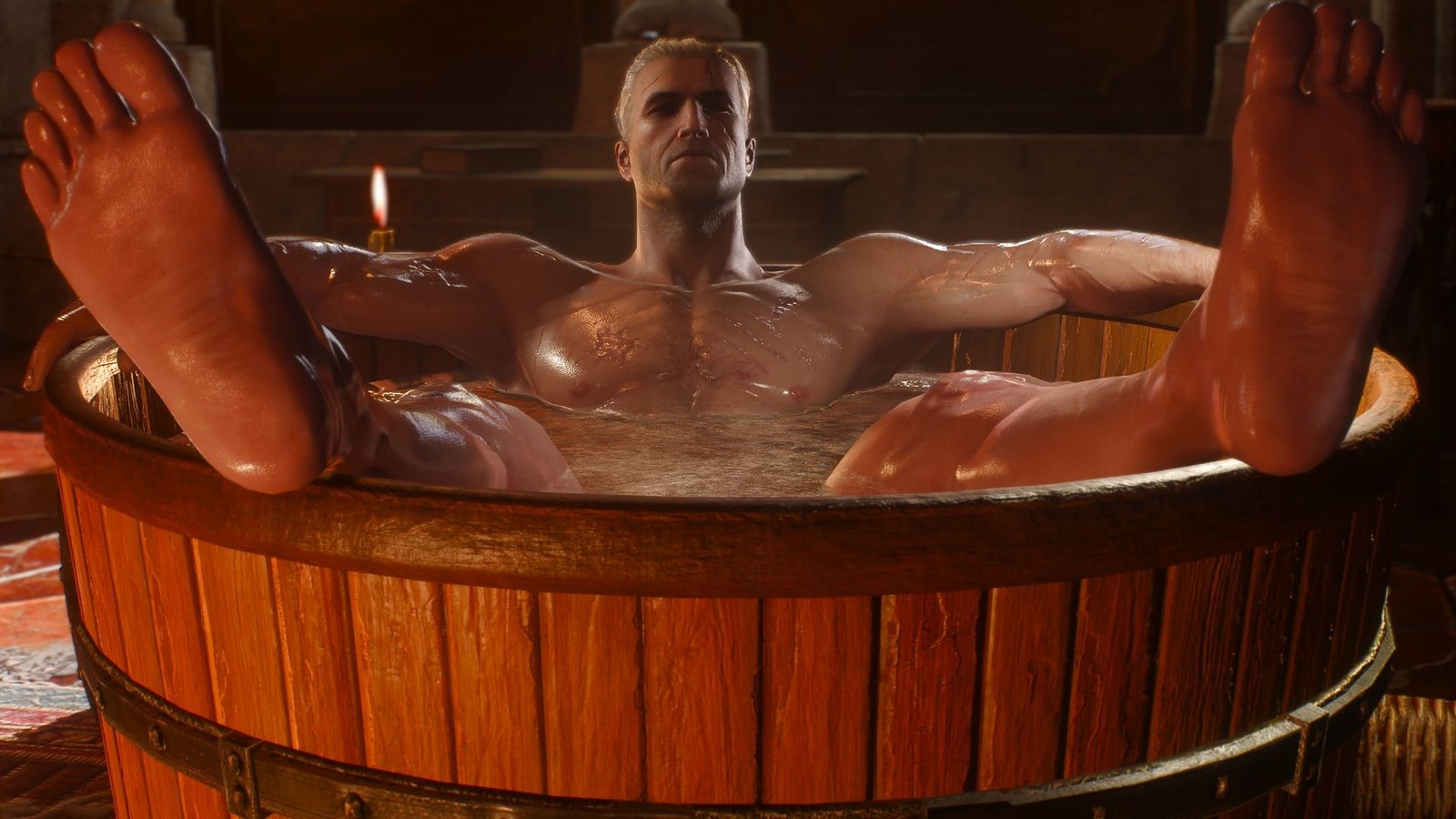
With The Witcher 3: Wild Hunt Remastered set to arrive on September 29, CD Projekt Red has published a comprehensive breakdown of the changes transforming Geralt’s award-winning adventure into a fully overhauled experience. The studio laid out what it considers “the most important changes” in the remaster, offering both returning players and newcomers a detailed look at how the RPG has been refined across visuals, gameplay, accessibility, and technical performance.
The remaster drops tomorrow, leaving little time to decide whether to dive back into the Continent. For those still on the fence, the developer’s detailed patch notes provide the clearest picture yet of what has been rebuilt from the ground up, alongside newly revealed system requirements that span everything from entry-level machines to high-end rigs.
A New Skill System and Refined Combat
Perhaps the most significant structural change is the overhaul of the skill system. Skills are now organized into a proper skill tree, with each skill carrying three ranks. Unlocking new abilities requires the necessary prerequisite skills rather than simply spending a set number of skill points. CD Projekt warned that, as a result of these changes, players’ skill points have been reset.
The skill tree has also been rebalanced, with refined bonus values, effects, and synergies, while some skills have been renamed to better reflect their effects. Combat behavior for many non-boss monsters has been polished, including their attack patterns, counterattacks, movement, reactions, and the application of effects.
Movement itself has been reworked, with new idle and finisher animations plus improved ledge climbing, ladder climbing, and vaulting animations for more responsive, fluid motion. Two new cameras—an exploration camera with an increased field of view and a dynamic combat camera—have been added to make it easier to see what’s happening regardless of the situation.
Accessibility Takes Center Stage
Of particular note among the changes is the introduction of a dedicated Accessibility section in the Settings menu, consolidating existing accessibility options and adding a new “Bard’s Ballad” preset. Designed to “reduce cognitive load for players who experience mental fatigue or have difficulty concentrating,” the preset streamlines gameplay by simplifying certain mechanics and disabling select features for a smoother, more focused adventure.
Players can customize the preset by toggling options such as Vitality Regeneration Boost, Infinite Breath, Unlimited Item and Boat Durability, Ignore Item Weight, Faster Boats, and a toggleable Witcher Sense. These additions signal a clear effort to make the sprawling RPG more approachable without compromising the experience for veterans.
The Bard’s Ballad preset is designed to “reduce cognitive load for players who experience mental fatigue or have difficulty concentrating,” streamlining gameplay for a smoother, more focused adventure.
CD Projekt Red
That last point is worth emphasizing: the remaster is free for anyone who already owns The Witcher 3, a move that effectively nudges lapsed players back into Geralt’s world. Existing owners need not spend a cent to access the full range of enhancements.
Technical Prowess and Modding Support
On the technical front, the remaster now features native DirectX 12 rendering with multithreading, alongside an improved shading model, updated textures and models drawn from the community’s Witcher 3 HD Reworked Project, and ray-traced enhancements including ray-traced local shadows and Ray-Traced HairWorks. The game also supports Path Tracing, NVIDIA DLSS 4.5 with Ray Reconstruction, AMD FSR 4 with Frame Generation and Anti-Lag 2, and Intel XeSS 2.0 with Frame Generation and Low Latency.
System requirements have been detailed across a range of builds, with the minimum now calling for 60GB of SSD space rather than



1 comment