

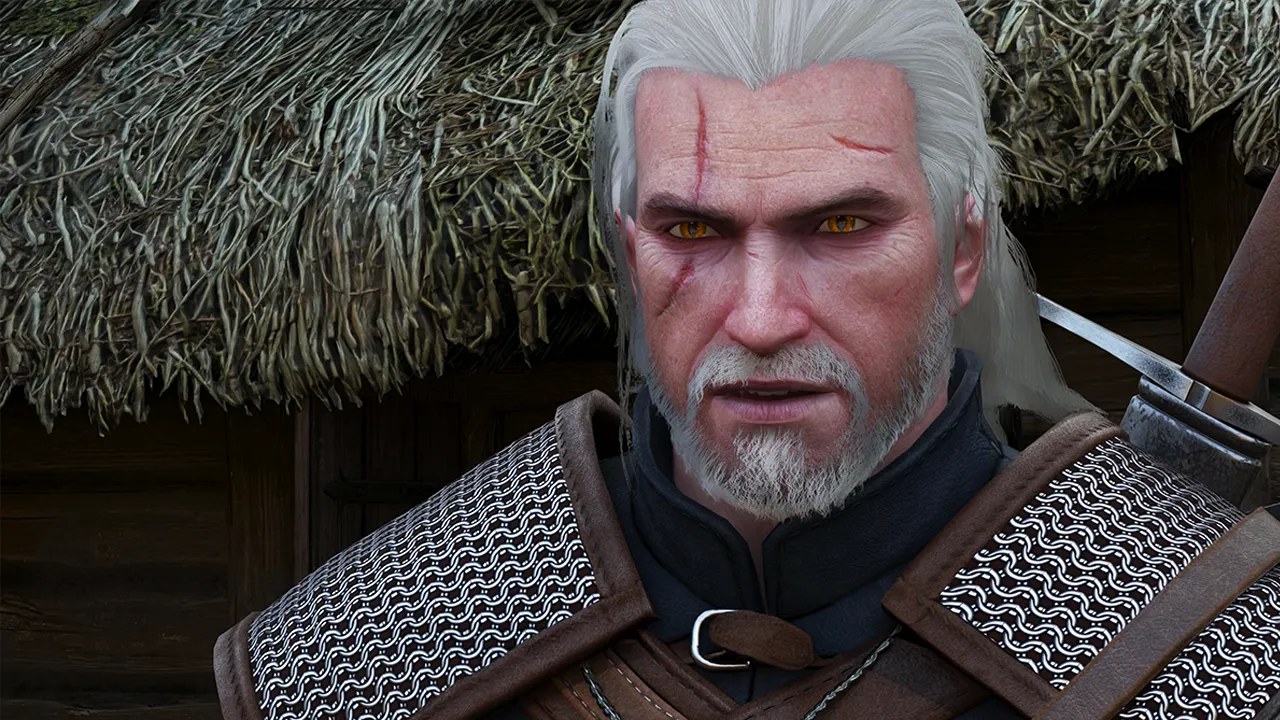
The Witcher 3 Remastered, CD Projekt Red’s free next-generation overhaul of its 11-year-old role-playing game, launches tomorrow across PC, PS5, Xbox Series X|S, and Nintendo Switch 2 — but pushing it to its visual limits at 4K with path tracing demands one of the market’s most powerful graphics cards, and even that isn’t quite enough on its own.
Ahead of the September 29 free update, CD Projekt Red revised the game’s system requirements, and while the low-end settings remain surprisingly modest, cranking path tracing to 4K resolution now points squarely at the Nvidia GeForce RTX 5080. That card is currently selling for roughly $1,650 at its lowest price point, yet the requirements make clear that players will still need both DLSS upscaling and frame generation to reach a smooth 60 frames per second — a striking reminder that an 11-year-old game can still strain today’s flagship hardware.
Testing the RTX 5080 at 4K With Path Tracing
To see how the game actually performs, an RTX 5080 was put through its paces with a lap around Novigrad, the sprawling city that has been notorious for performance struggles since the game’s original 2015 launch. At 4K with everything enabled — including path tracing and HairWorks — and DLSS set to Performance, the RTX 5080 averaged just 30 frames per second. Enabling frame generation pushed that to 59 fps, but at such a low base rate, the results came with noticeable artifacts, particularly across the ground textures.
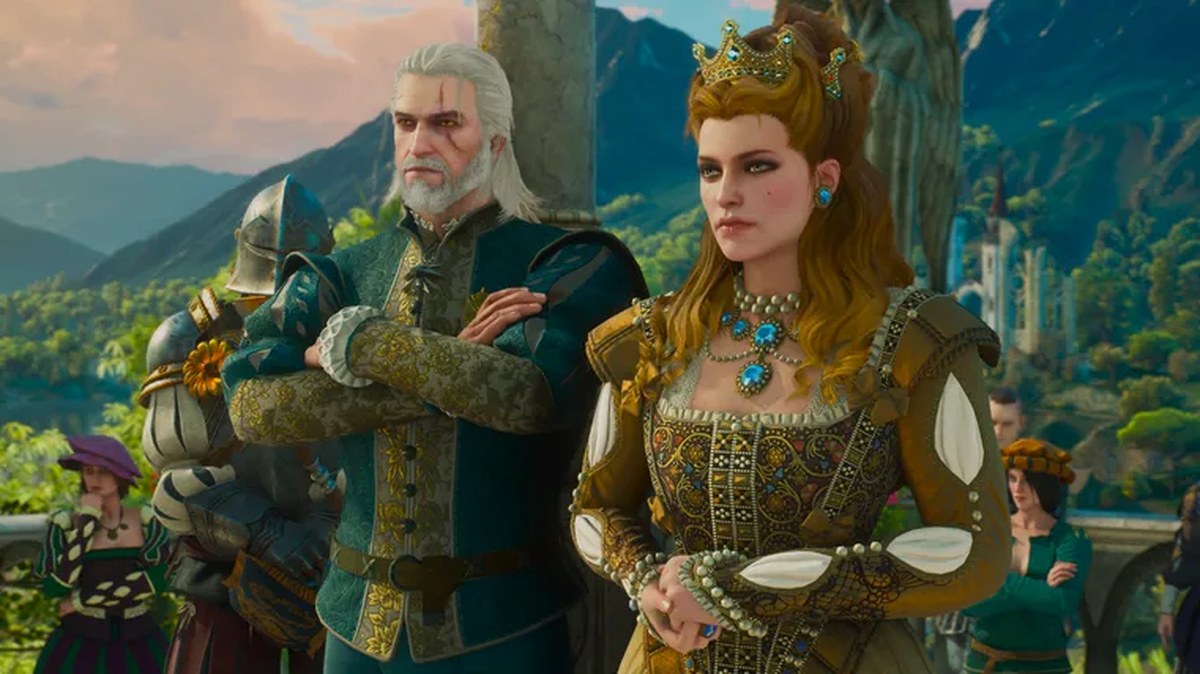
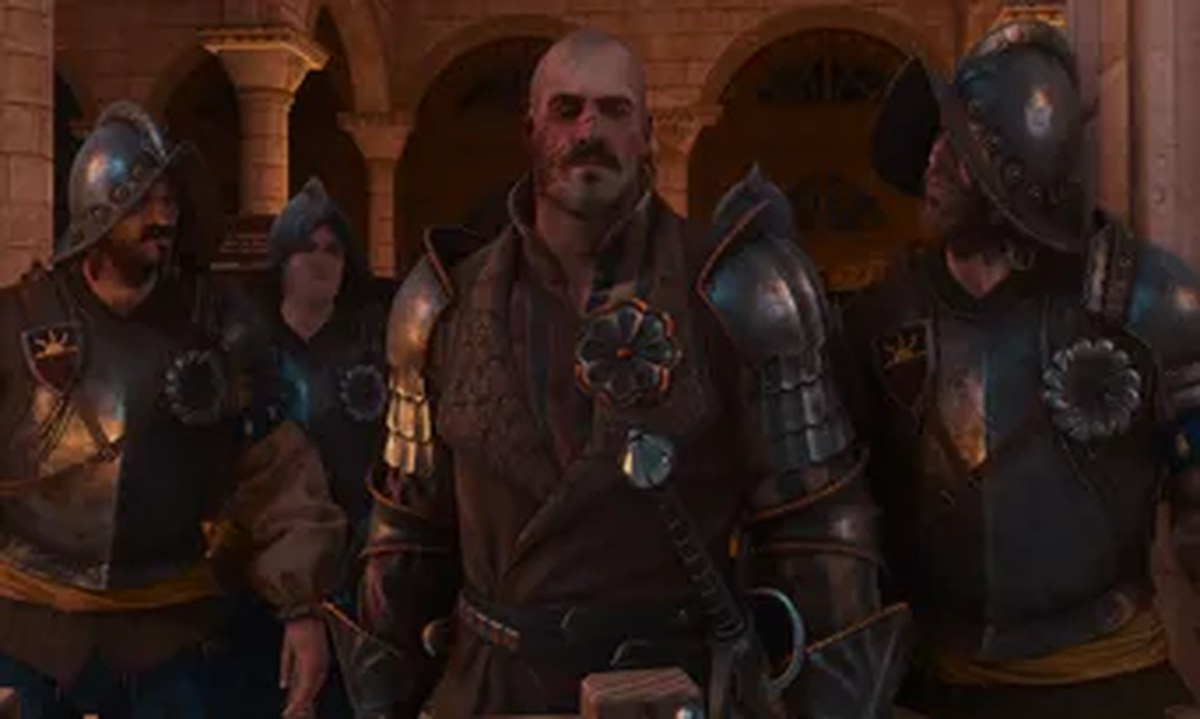
HairWorks has been throttling frame rates in The Witcher 3 since its original release, and disabling it yields a substantial performance boost. With HairWorks turned off and path tracing still enabled at 4K with DLSS set to Performance, the average climbed to 44 fps, jumping to 80 fps once frame generation kicked in.
The best way to get good performance out of The Witcher 3 Remastered right now, short of buying an RTX 5090, is to disable path tracing entirely.
Jackie Thomas, Senior Tech Editor at IGN
With path tracing disabled on the RTX 5080, the frame rate jumped to a more reasonable 55 fps — a notable improvement, especially given that all testing took place in Novigrad, one of the most demanding areas in the game. Even then, players can push performance further by turning off additional ray tracing effects beyond path tracing, which the game offers as separate toggles.</



1 comment