Five Classic Star Trek Episodes That Have Aged Like Milk
Star Trek fans who have revisited the original series over the years may have noticed that not every episode from the 1960s holds up the way the franchise...
By Gamer24H Editorial Team5 min read
Star Trek fans who have revisited the original series over the years may have noticed that not every episode from the 1960s holds up the way the franchise once hoped. While some classic trips aboard the USS Enterprise have only grown richer with time, a recent retrospective has turned its attention to the other end of the spectrum, examining five episodes that have aged poorly and now read as products of their era rather than timeless science fiction. The list, drawn from the original run of the series, highlights stories that once seemed progressive or groundbreaking but now carry uncomfortable baggage nearly six decades after their broadcast.
The original Star Trek series was remarkably ahead of its time, imagining a future where humanity had moved beyond many of the divisions that defined the 1960s. Yet it was still made in that era, and nearly sixty years of shifting cultural attitudes have not been kind to every installment. The episodes in question span the show’s first three seasons and touch on themes of artificial intelligence, cultural imperialism, gender roles, and the treatment of Indigenous peoples — subjects that the franchise would later revisit with considerably more nuance.
Androids, Ambition, and Artificial Women
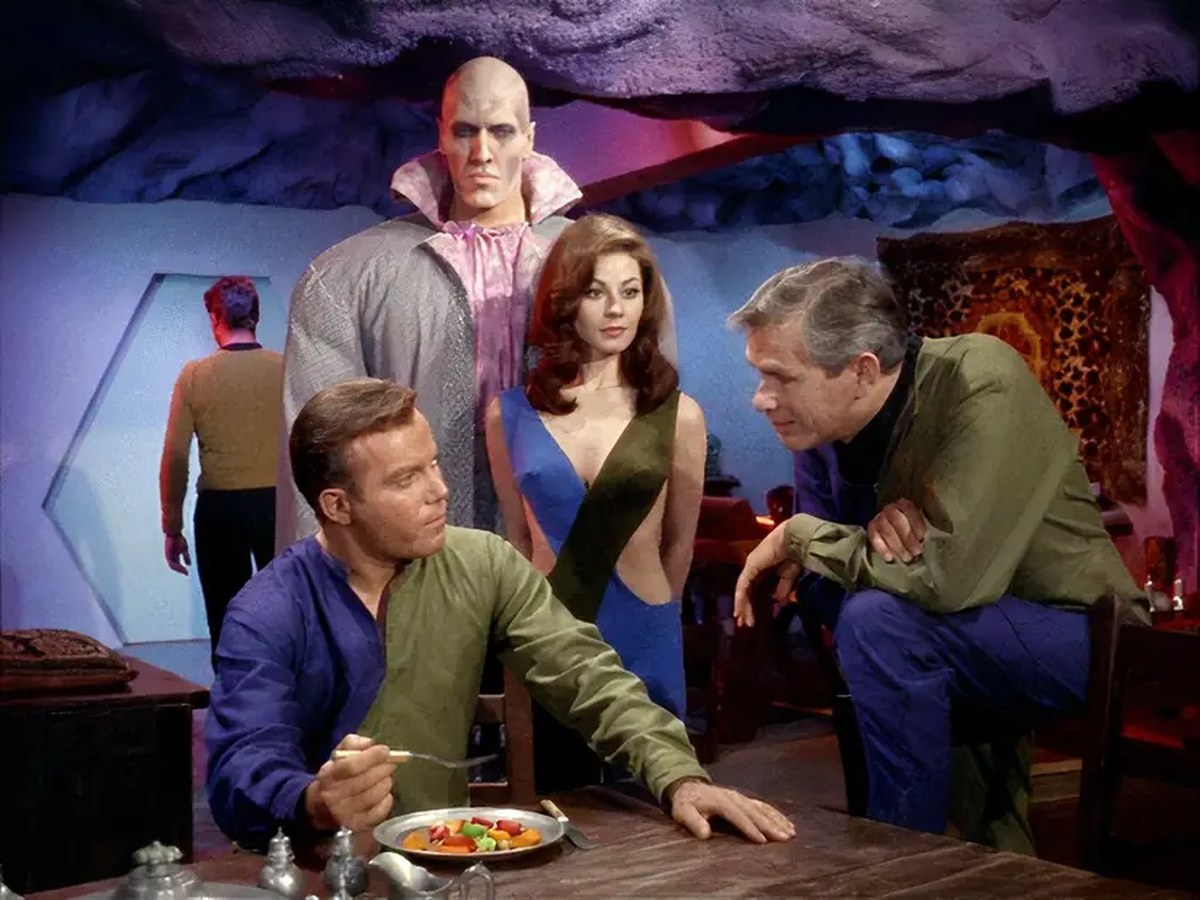
Season 1’s “What Are Little Girls Made Of?” introduces one of Star Trek’s earliest androids, Andrea, played by Sherry Jackson, who was created by Dr. Roger Korby as a beautiful, obedient female companion. Korby insists she is incapable of emotion, and she complies with his orders, including kissing Captain Kirk. To the episode’s credit, Andrea eventually develops feelings that Korby denies she can have — but nearly sixty years of stories about androids and artificial intelligence make her treatment feel particularly dated. Later Star Trek would explore these questions with characters like Data in far greater depth, whereas Andrea begins as the fantasy of an artificial woman who is beautiful, compliant, and literally made to obey a man.
Andrea instead begins as the fantasy of an artificial woman who is beautiful, compliant, and literally made to obey a man. She eventually gets some agency, but it’s an awfully uncomfortable road getting there.
Paramount
Retrospective on Star Trek’s original run
Similarly, Season 3’s “Turnabout Intruder” — the final episode of the original series — introduces Dr. Janice Lester, a former lover of Kirk’s who resents that she could never have his career. Using alien technology, she swaps bodies with Kirk in a Freaky Friday-style twist, finally putting herself in the captain’s chair. The problem is not simply that the episode suggests women could not command starships; it repeatedly links Lester’s ambition with emotional instability, framing her resentment as the root of her unhappiness. As the series would go on to give audiences Kathryn Janeway, Michael Burnham, and countless other women in leadership positions, the sendoff for a show famous for imagining a progressive future certainly picked an unfortunate way to say goodbye.
Imperialism and the Cost of “Liberation”
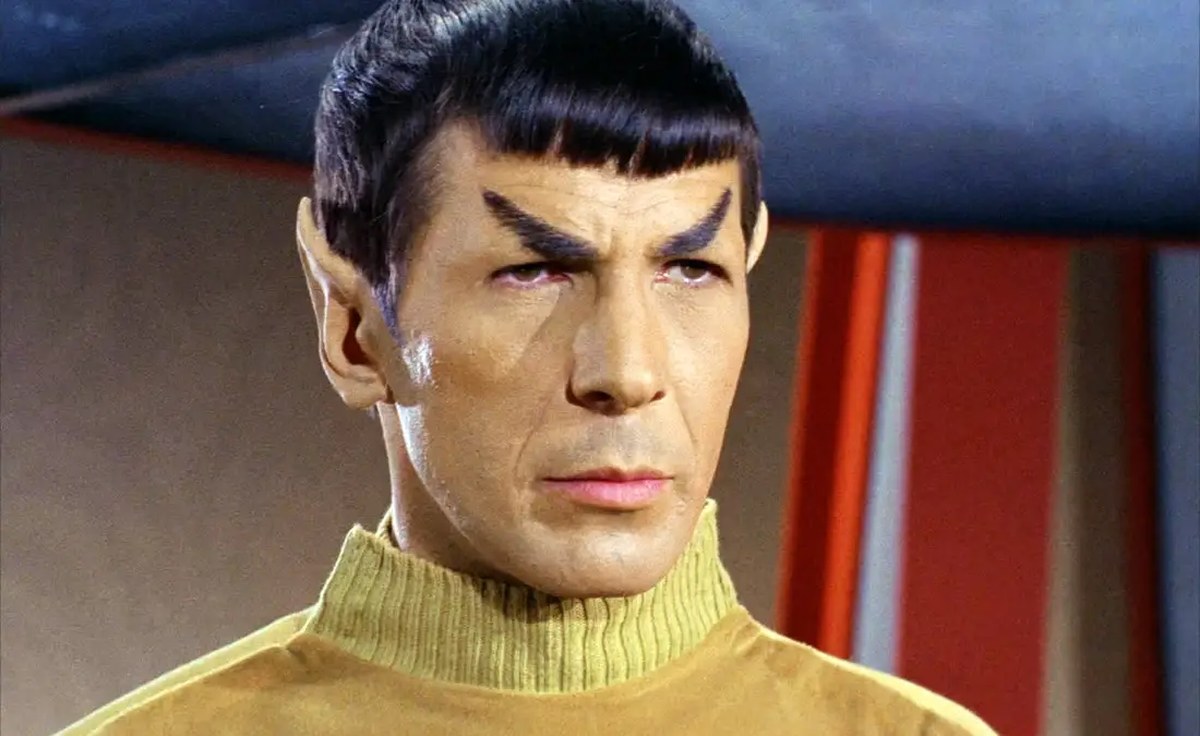
Season 2’s “The Apple” presents Kirk with what appears to be paradise: the Vaalians live peaceful, extraordinarily long lives free of disease and war, sustained by a machine they worship as Vaal. The catch is that they have little individual freedom, do not reproduce, and remain technologically stagnant. Kirk, nudged by Dr. McCoy, decides this is not the way to live and destroys Vaal — the machine holding the Enterprise in orbit — before telling the Vaalians they will have to learn about having children. The episode carries an uncomfortable whiff of cultural imperialism, as the Enterprise arrives, decides the society has been living the wrong way, and destroys the center of its culture without the Vaalians ever asking to be liberated. Even Spock questions whether they had the right to interfere, a question later Star Trek would take much more seriously.
That same season, “Mudd’s Women” finds recurring troublemaker Harry Mudd transporting three women to become wives for lonely miners, essentially treating them as cargo for prospective husbands. The women take the Venus Drug, which temporarily makes them extraordinarily beautiful, and much of the episode involves men evaluating their attractiveness while Mudd tries to turn the arrangement into a business. The story attempts a more progressive message when Eve discovers the Venus Drug Kirk gave her is actually a placebo, and her transformation comes from believing in herself. Rather than questioning a society that values women largely for their appearance, however, the episode suggests Eve’s insecurity is the real problem, positioning self-confidence as the fix — an oddly patronizing solution for a story spent objectifying its female characters.
Freezing Cultures in Time
“The Paradise Syndrome,” from Season 3, finds an amnesiac Kirk on a planet inhabited by Indigenous peoples transported from Earth centuries earlier. Mistaken for a god, he becomes the tribe’s medicine chief and marries Miramanee, who becomes pregnant with his child. The episode presents the society as a grab-bag of Native American imagery, combining distinct cultures into one generic version complete with buckskins and tepees. Worse, the two most prominent Indigenous characters, Miramanee and Salish, are played by non-Native actors in brownface. It is a romanticized depiction that feels particularly out of place in Star Trek, freezing these cultures in an idealized version of America’s past rather than imagining how they might have developed after centuries on another planet. Miramanee is eventually stoned by her own people while protecting Kirk and dies from her injuries, reducing a franchise built around celebrating different cultures to a collection of stereotypes.
Looking Ahead
These five episodes are not being discarded by the franchise — they remain part of the beloved original series and continue to draw audiences and newcomers alike. Instead, the retrospective uses them as a reminder of how far Star Trek has come in exploring its most challenging themes. The network and streaming platforms have no announced plans to re-edit or re-release these episodes, and the original series will not see new production in the near term. For viewers, the takeaway is less about erasing the past than appreciating the journey: the same creators who wrote these flawed episodes also laid the groundwork for decades of more thoughtful storytelling. As the franchise continues to evolve across its many series, the contrast between these early missteps and their successors only underscores how much the show has grown — and how much it still has to teach.
Copyright in the content and news published on this platform is not reserved, and the material may be shared with attribution. Much of the news is compiled from publicly available domestic and international press sources. Responsibility for the accuracy of claims, data, and material attributed to those sources rests with the source organizations; the platform does not assume responsibility for them. Third-party images, logos, and openly licensed materials remain subject to their original source and license terms.
To submit original news, articles, press releases, or content notices for publication, please contact us:





Join the conversation