

When audiences picture
, they usually conjure images of the show’s strangest sci-fi creatures — the miniature aliens of season 2’s “The Invaders,” the larger, hungrier extraterrestrials in
, or the horror-heavy tales like the killer doll in
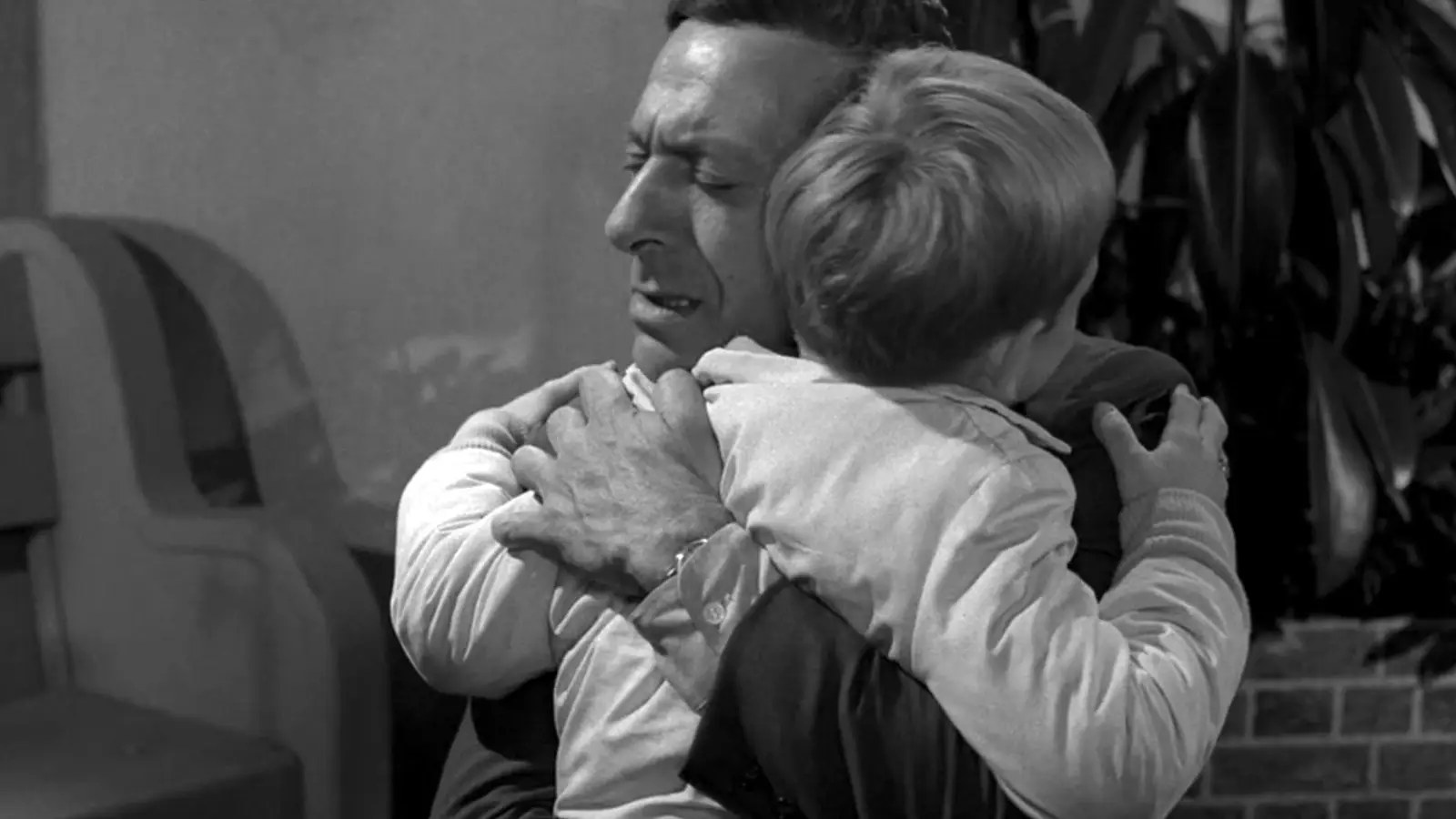
and the mannequin-filled nightmare of “After Hours.” But the anthology series could be far more grounded than its reputation suggests, and one of its finest hours relies on only the mildest of supernatural elements. The first episode of season 5 — the show’s final season — was titled “In Praise of Pip,” written by creator and host Rod Serling. Airing in 1963, the story stars Jack Klugman as Max Phillips, an alcoholic small-time bookie whose son, Pip, is fighting in the still-young Vietnam War. Despite a lifetime spent as a reprobate, Max chooses to let a young kid off the hook on a debt he owes, but his boss, Mr. Moran (S. John Launer), refuses to allow it, and an argument erupts between Max, Moran, and the boy.
During the dispute, Max receives a phone call informing him that his son has been injured in Vietnam and is dying. Already consumed with regret for the life he has lived, Max decides to double down on his rare act of kindness by telling the young man to run off. This prompts Mr. Moran’s enforcer to shoot Max, who then stumbles into the street and enters an empty amusement park after hours — a place he used to take his son when he was young. Once inside, Max sees his son (Billy Mumy), magically restored to a 10-year-old. Perplexed at first, Max is soon swept up as the park’s lights flicker on and the two of them enjoy every ride, snack, and game they want. The joy comes to an abrupt end, however, when the boy suddenly seems terrified and flees, leaving Max to chase after him.
A Story Built on Performance
“In Praise of Pip” is deeply affecting for a number of reasons. The narrative is remarkably simple, and the only genuinely “weird” element — Max seeing his young son — is easily explained as a hallucination following his gunshot wound. With the plot so lean, the episode is essentially all about the performance, and Klugman is astoundingly good as a man drowning in regret over the way he has lived: a dishonorable profession, too much drinking, and a father who could never live up to his promises. Klugman carried a long list of great roles in his day, including the streetwise Juror #5 in
, the brilliant forensic pathologist Dr. Quincy in
, and, perhaps most famously, the sloppy Oscar Madison in the 1970s sitcom
. Throughout his career, Klugman proved he could pull off comedy and drama with equal skill, and “In Praise of Pip” ranks among his finest dramatic work. It is hard to watch without being moved to tears, particularly in the scene where Max pours his heart out to his 10-year-old son, apologizing for never giving up drinking or finding different work. The whole speech is moving, but the most profound moment arrives when, speaking of his regret, he says: “I dreamed instead of did. And I wished and hoped instead of tried. But as God is my witness, Pip, I loved you.”
An Unlikely Anti-War Statement
Equally remarkable in the episode is a brief but poignant anti-war message. When Max receives the call about Pip’s imminent demise, he hangs up and says to himself: “Pip is dying. My kid is dying in a place called South Vietnam. There isn’t even supposed to be a war going on there, but my son is dying.” This may seem like a small detail, but it carries real weight given the timing. The episode aired in 1963, while the Vietnam War was still relatively new under President Kennedy, who didn’t even refer to it as a “war” but a “conflict” instead — which is precisely why Max says, “There isn’t even supposed to be a war going on there.” The era is also notable because, until roughly 1965, the war in Vietnam was publicly quite popular. For Serling to speak out against it on one of the biggest shows on television was especially brave.

In the 63 years since this episode aired, America has engaged in a variety of other wars that weren’t — or aren’t — supposed to be wars at all, making this story tragically timeless. “In Praise of Pip” may not be what people think of when they imagine
, but it stands as perfect evidence of just how versatile and deeply moving the show could be.
Looking Ahead
For viewers who want to experience the full arc of Max Phillips’s journey,
is free to stream on Tubi, where the complete final season remains available. As the anniversary of this landmark episode passes, “In Praise of Pip” continues to serve as a reminder that the anthology’s greatest power has never been its monsters, but its willingness to hold a mirror up to the human heart.




2 comments