

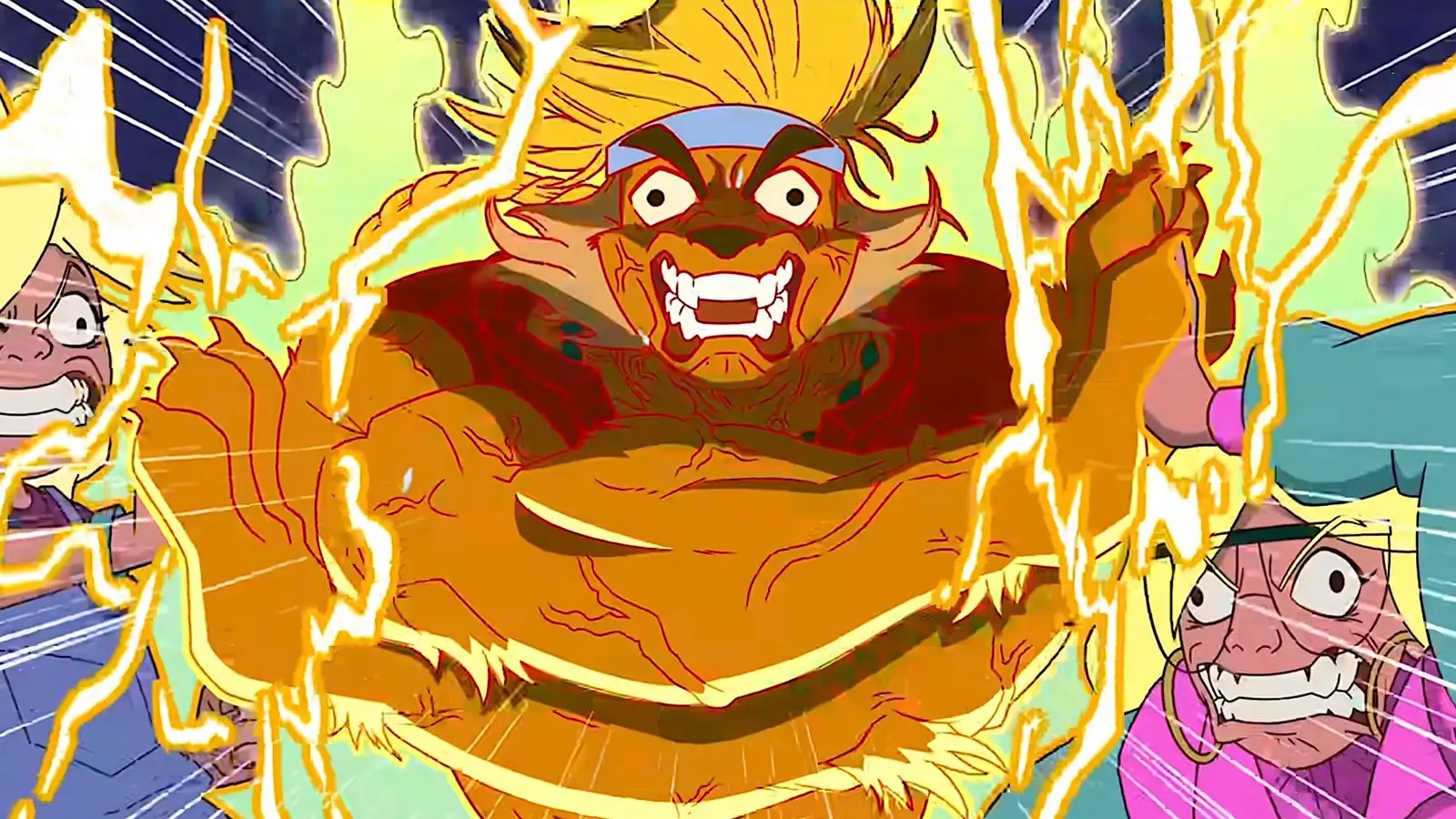
Most of the new DreamWorks adventure film Forgotten Island is rendered in the glossy, three-dimensional style audiences have come to associate with Pixar, Disney, and DreamWorks, complete with rich textures, depth, and dynamic lighting. But at key moments throughout the movie, that polished 3D aesthetic dissolves into flat, hand-drawn 2D animation that pays direct homage to ’90s anime. Whenever the film’s characters recount their past experiences, those memories unfold on screen in deliberately exaggerated visuals lifted straight from Sailor Moon, Dragon Ball, and Street Fighter. Writer-directors Januel P. Mercado and Joel Crawford told Polygon that they drew on those three series specifically because of their own childhood fandoms, turning the film’s nostalgic set pieces into a tribute to the decade that shaped them.
A Nostalgic Design Choice Rooted in Childhood
The anime sequences are not arbitrary stylistic flourishes; they are carefully matched to the personalities of the characters narrating each flashback. Raww, the vain and excitable were-dog voiced by Dave Franco, Prince Mermahn (Kevin McCann), and Bungi, the blue-skinned, three-eyed tiyanak played by Manny Jacinto, each receive a visual language that reflects their worldview. Crawford explained that aligning the animation style with each storyteller’s character was both a creative and emotional decision.
“They line up with the characters who are telling those moments — their personalities,” Crawford says. “They each have their own worldview. And picking a style that really showcases that was fun.”
DreamWorks writer-director Joel Crawford
According to Mercado, the decision of which anime would represent which character came well after the scripting phase. Raww was already established as a boastful, high-energy figure, so imagining him visualizing himself as a hyperbolically tough, Street Fighter-style warrior was a natural leap. The collaboration then accelerated once the creative team began exploring the influences that had shaped them.
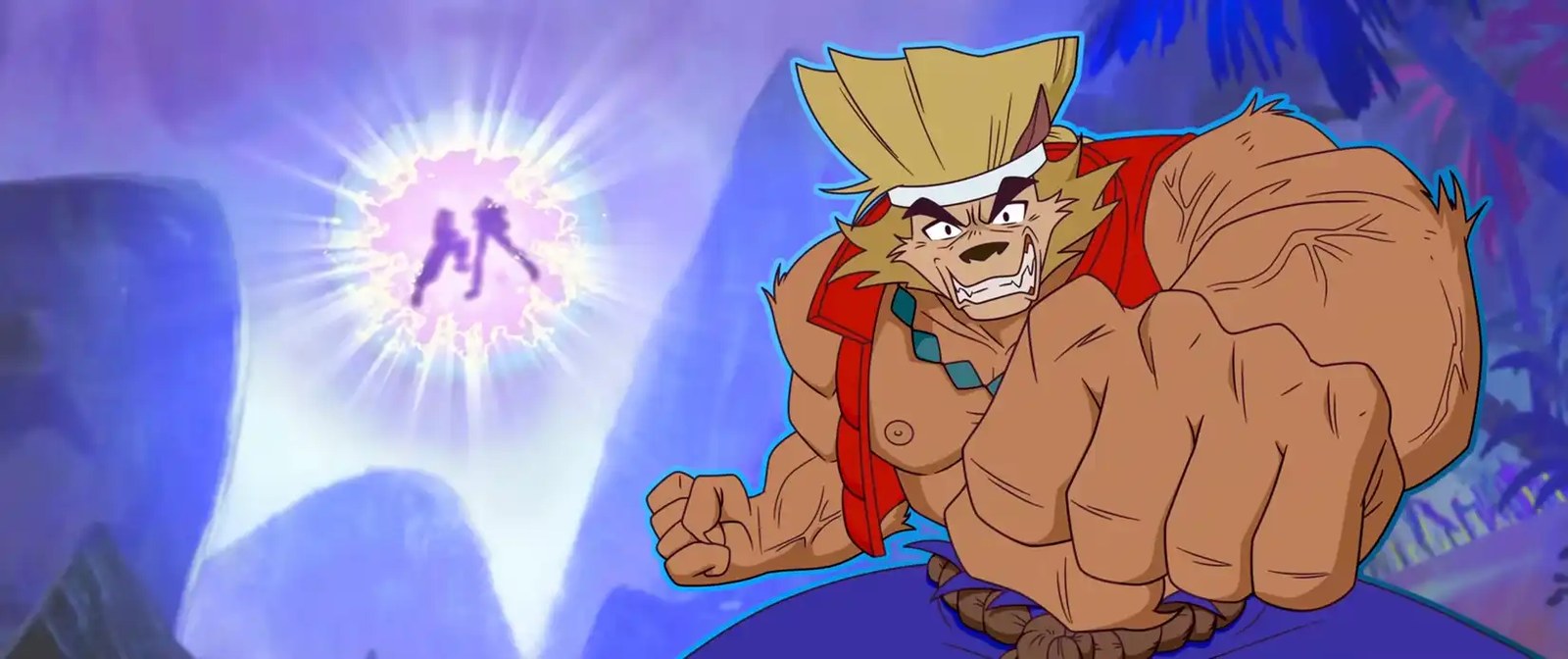
“Those are staples of ’90s animation, and those were our formative years, growing up in that decade,” Mercado says. “So we were quick to go to those as very personal, special references for the movie.”
DreamWorks writer-director Januel P. Mercado
A Collaborative Process Driven by Passion
The Street Fighter concept for Raww proved so resonant that it pushed the visual team in new directions. Crawford laughed that concept artist Kalen Chock, upon hearing the reference, “took it and turned it up,” channeling the energy of Marvel vs. Capcom into the final look of Raww’s flashback. The anecdote highlights how deeply personal the work became for the artists involved.
“As soon as we told him the Street Fighter reference, he took it and turned it up,” Crawford says. “It’s so cool how collaborative animation is, that everybody’s bringing a part of themselves to this.”
DreamWorks writer-director Joel Crawford
Mercado shared a behind-the-scenes story about Chock, who designed much of the final Raww flashback. Chock was so immersed in the fun of the work that his wife walked in and assumed he was just doodling for pleasure, only to be told, “I am working.”
Outsourcing to a Filipino Studio
Producing these anime-style sequences required specialized expertise, and DreamWorks found it in Snipple Animation Studios in the Philippines, which handled all of the film’s 2D animated moments. That studio has spent decades working on television animation in both the United States and Japan, making it a natural fit for a project celebrating Filipino culture. Crawford noted that while many studios have optimized their software suites and pipelines toward the textured, realistic look pioneered by Pixar, directors who want more exaggerated, mold-breaking imagery often find themselves “fighting the machine.”
“We were really fortunate in being able to use Snipple Animation Studios,” Crawford says. “That studio did all the 2D animated moments, and that’s their wheelhouse. Snipple has, for decades, worked on so much TV in the U.S., so much TV animation in Japan. So it was a really cool opportunity to have a Filipino studio bring their craft and themselves to this story celebrating Filipino culture.”
DreamWorks writer-director Joel Crawford
Looking Ahead
For Crawford, the anime sequences represented a rare chance to break free from the constraints of a standardized production pipeline and inject genuine personality into the film. The result is a movie that balances the familiar comfort of Western 3D animation with the bold, expressive flair of ’90s Japanese cartoons, creating a hybrid visual identity that honors both the filmmakers’ heritage and their shared love of the medium. Forgotten Island is now playing in theaters.



Join the conversation