

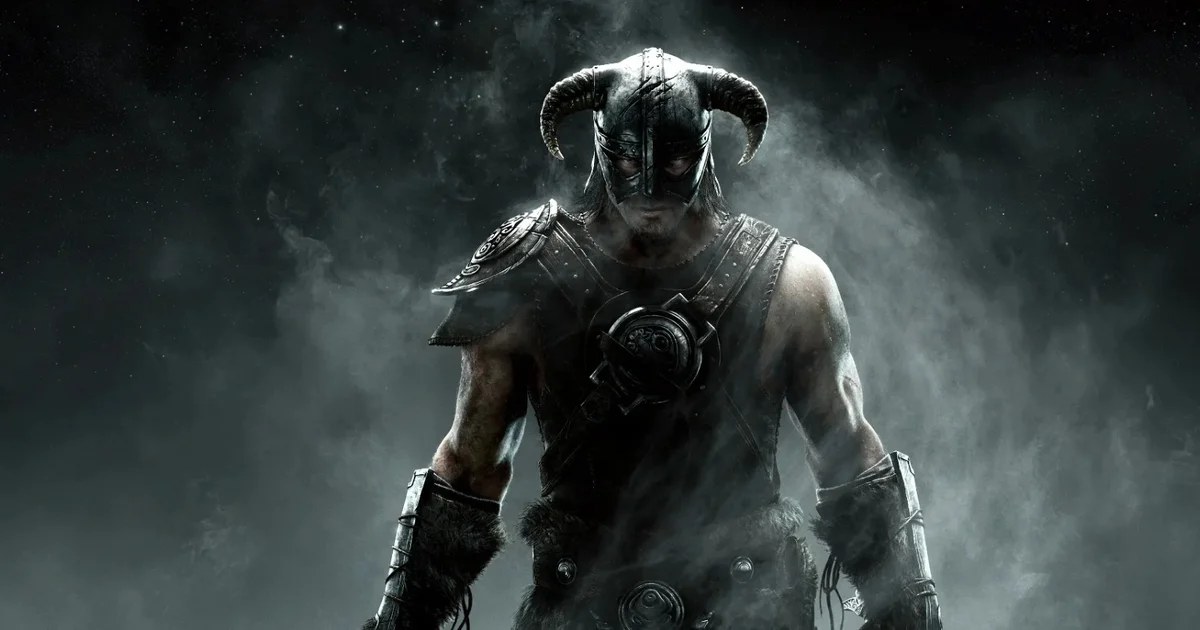
As The Elder Scrolls series enters another long stretch without a mainline release, a veteran developer has offered a candid explanation for why Bethesda has never pursued the spin-off model that once defined Fallout. Kurt Kuhlmann, the lead developer of Skyrim and the fantasy franchise’s former “loremaster,” told the FRVR podcast that Bethesda remains “very protective” over its flagship IP, declining to bring in outside studios to fill the gap left by Skyrim’s 2011 launch. The revelation comes as the franchise waits on The Elder Scrolls 6, which is still in development at Bethesda Game Studios, reigniting debate about whether the studio should embrace the very outsourcing strategy that produced one of gaming’s most beloved titles.
The comparison Kuhlmann draws centers on Fallout: New Vegas, a game that Obsidian Entertainment developed for Bethesda and which many consider the pinnacle of the series. The project became a flashpoint for a recurring question among fans: why not let external teams handle the entire franchise? “There are the Obsidian, New Vegas people that think obviously New Vegas is way better, Obsidian is way better at making those games and, ‘Why don’t they just get Fallout altogether?'” Kuhlmann recalled. According to the former developer, Bethesda deliberately avoided letting that same conversation follow The Elder Scrolls.
The studio’s reluctance, Kuhlmann suggested, traces directly to the wishes of its creative lead. “I do think [Todd Howard] didn’t want to create that situation again,” he said, referring to the franchise’s director. “Todd, from my time there, he is very protective of it.” For Kuhlmann, the answer to the spin-off question was never about capability—it was about control. The studio preferred to keep its most valuable intellectual property in-house rather than risk the quality debate that New Vegas inevitably sparked.
ESO as a Pressure Valve
Kuhlmann offered a telling insight into how Bethesda managed the pressure of a dormant mainline series. Rather than expand the franchise through external partners, the studio leaned on its own live-service efforts to keep the brand alive. “Todd, from my time there, he is very protective of it,” Kuhlmann added. “I do think [The Elder Scrolls Online] took the heat off… there was a new Elder Scrolls product and it was ongoing. It was creating new content constantly.” The online multiplayer title, he noted, became the primary touchpoint for a large segment of the fanbase. “There are a lot of people, I mean, I know the single-player people, I’m one of those people—but there are a lot of people to whom The Elder Scrolls is now ESO. That’s their experience with it. That’s what they love. That’s where they got their Elder Scrolls gaming experience, and that’s probably what they want more of.”
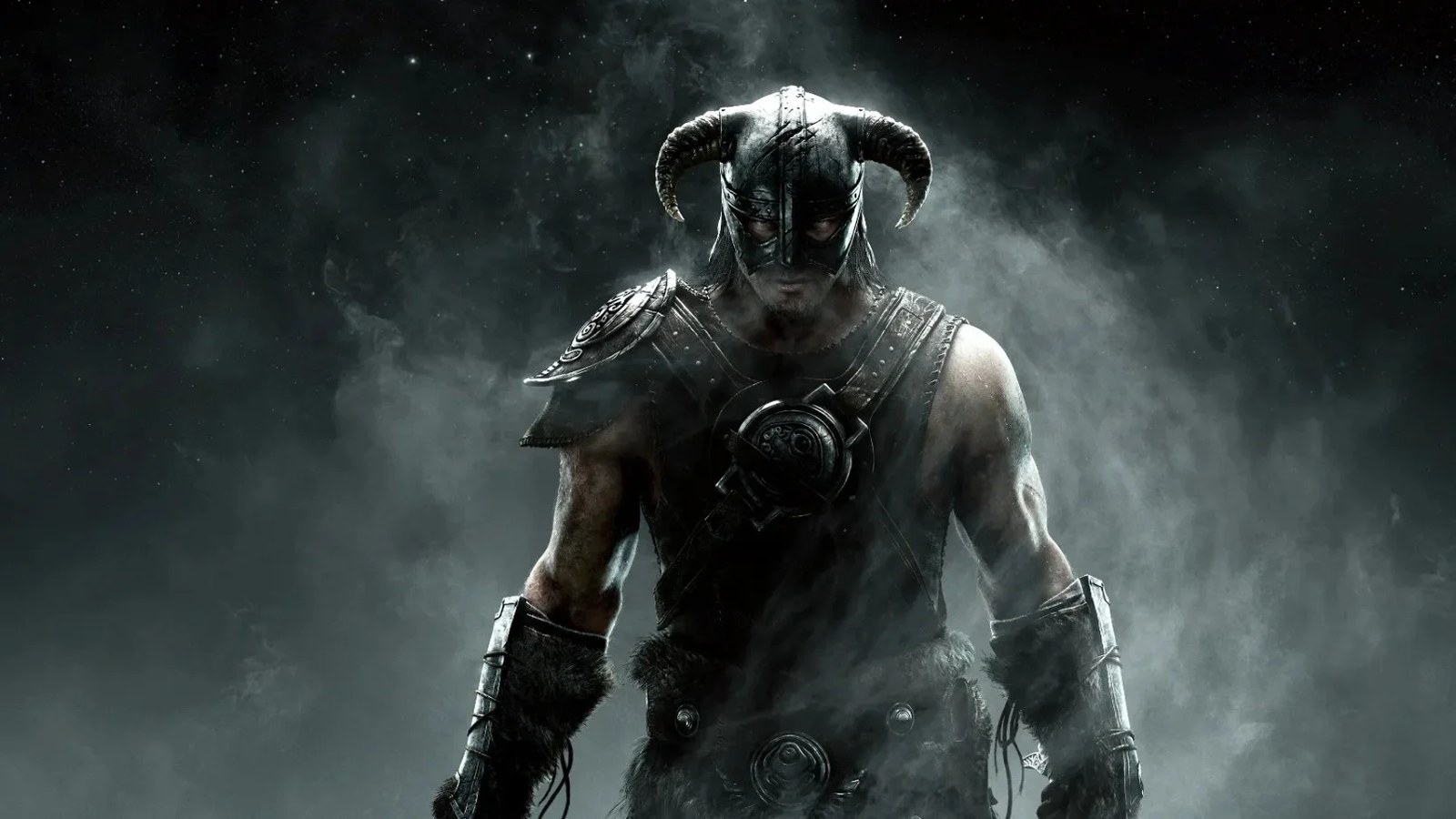
This framing highlights a strategic reality: while purists may yearn for a new single-player entry, the franchise’s broader audience has grown accustomed to Bethesda’s ongoing content pipeline. The studio’s approach reflects a calculated decision to prioritize steady, controlled output over the riskier experiment of delegating its crown jewels to outside developers.
“Todd, from my time there, he is very protective of it. I do think [The Elder Scrolls Online] took the heat off… there was a new Elder Scrolls product and it was ongoing. It was creating new content constantly.”
Kurt Kuhlmann, former Skyrim lead developer and Elder Scrolls loremaster
A Studio in Transition
It is worth contextualizing Kuhlmann’s remarks within the broader reshaping of Bethesda. The former loremaster departed the studio in 2023, and the landscape has shifted considerably since his tenure. Corporate parent Xbox has reportedly grown more focused on its marquee titles, with both Fallout and The Elder Scrolls falling under that strategic umbrella. As part of the company’s ongoing restructuring and mass layoffs, Obsidian is now operating under the Bethesda umbrella and is reportedly working on a new Fallout game—suggesting that the outsourcing model Kuhlmann referenced may well be returning, just for a different franchise.
Notably, Bethesda president Jill Braff recently assured staff that Obsidian’s “creative identity and strengths” would remain intact following the acquisition. This reassurance underscores a key distinction: while Bethesda may continue to guard The Elder Scrolls with particular care, it appears willing to lean on Obsidian’s proven expertise elsewhere. Perhaps there is room for a spin-off down the road, though only after The Elder Scrolls 6 eventually arrives.
Looking Ahead
For now, the franchise remains in limbo, with fans divided between those who champion Bethesda’s protective stewardship and those who long for the collaborative model that made Fallout: New Vegas a landmark. Kuhlmann’s comments serve as a reminder that the decision to keep The Elder Scrolls in-house was never purely about creative capacity—it was about preserving a brand Bethesda considers its most precious asset. As The Elder Scrolls 6 continues its development and Obsidian’s Fallout ambitions take shape, the industry will be watching to see whether Bethesda’s philosophy toward its flagship franchises remains unchanged, or whether the golden goose finally gets a partner.



1 comment