

Players diving into the prologue of Control Resonant are being handed a rare moment of agency early in their journey, as the game forces them to lock in both a primary weapon form and a combat ability before they can progress further. The choice is permanent until the end of the opening chapter, though a day-one patch has made it far less punishing by introducing an easy-to-acquire reset item that lets players experiment with multiple builds. With three options offered for each category, the decision ultimately comes down to matching a loadout to a player’s preferred play style, and guides are now weighing in on which selections offer the strongest early-game foundation.
According to the developers, there is no wrong answer among the available options, since each weapon and ability is engineered around a distinct purpose. The key advice being circulated is to pick the loadout that best fits an individual’s approach to combat, while keeping in mind that the commitment lasts only through the prologue. Once players clear the resonant in the opening sequence, they gain the freedom to reshape their build, which has been a point of encouragement for those wary of committing too early.
Reset Mechanics Give Players Room to Experiment
One of the most significant developments surrounding the prologue is the introduction of a reset item, which allows players to change their weapon, combat ability, or talents without being trapped by an initial decision. The item does not reset an entire build at once, meaning a full restart from scratch requires at least three uses. However, the day-one patch has made these items noticeably easier to obtain, effectively removing the anxiety of a permanent early commitment and inviting players to test out several combinations before settling on a preferred configuration.
Each weapon and combat ability has their own purpose, so there is no wrong answer. However, you should choose an option that fits your play style.
Control Resonant Development Team
The reset system is particularly welcome for newcomers who may not yet have a clear sense of how the game’s combat loop rewards different approaches. By lowering the barrier to experimentation, the patch ensures that players can learn the mechanics of each loadout without being locked into a suboptimal choice for the entirety of the campaign.
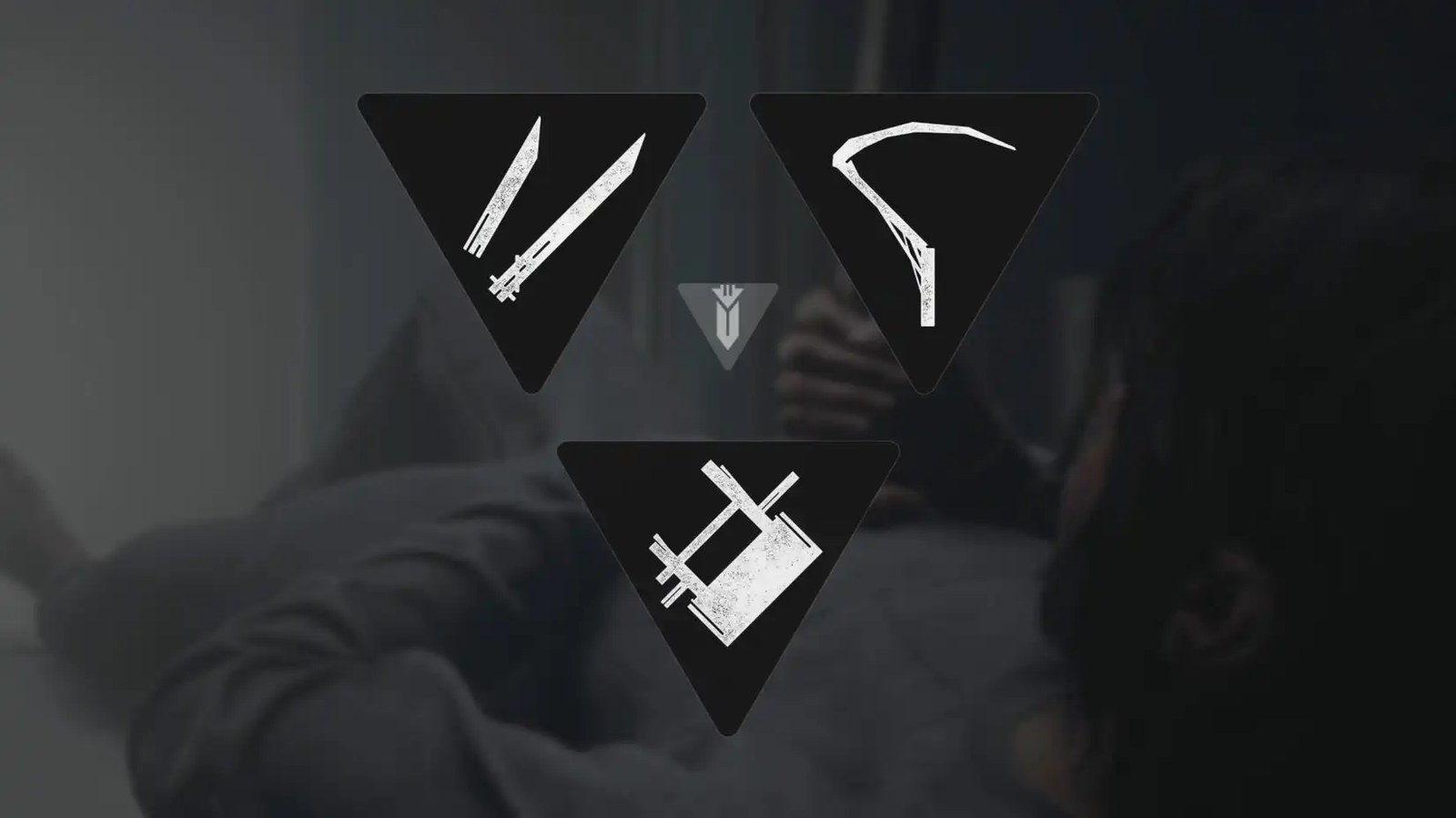
Strike Leads the Primary Weapon Recommendations
When it comes to the primary weapon, three forms are available, each catering to a different combat philosophy. Cleave is an axe-shaped weapon focused on lifting enemies into the air, which stuns them and prevents them from attacking while also accelerating falter meter buildup. Strike features dual swords built around critical hits and fast, close-range attacks, empowering combo finishers and abilities along the way. Glaive is a scythe offering wide-range attacks ideal for groups, and it generates the most power for spamming abilities.
Among the three, Strike has emerged as the most useful in practice. Its critical attacks make it a strong primary weapon while simultaneously boosting combo finishers and combat abilities, resulting in a more cohesive overall build. The trade-off is its short range and weaker performance when swarmed by multiple enemies, though its speed allows players to trigger combo finishers faster than the alternatives.
Utility Over Raw Damage for Secondary Weapons
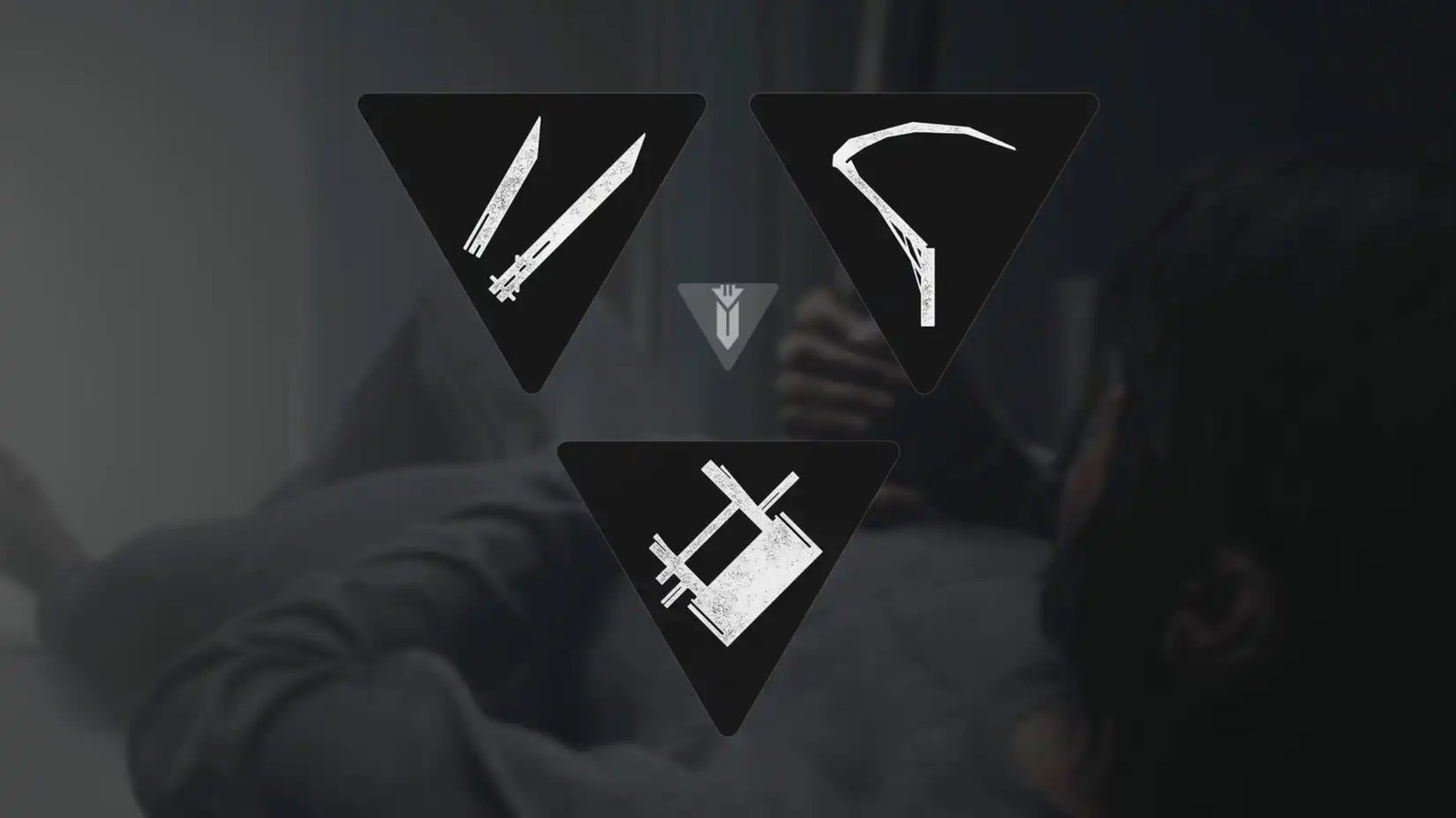
The secondary weapon selection presents Crush, a heavy hammer capable of slamming enemies into the ground and breaking armor while opening metal doors during exploration. Extend is a long-range whip that hits multiple enemies in a cone and rewards charged attacks with extra falter and damage. Drill is a literal drill on a stick that weakens enemies, making them take more damage and falter from abilities.
Because the secondary weapon takes a backseat to the primary and combo finishers, guides recommend prioritizing its utility over raw damage output. Both Crush and Drill are favored for their support functions, with Crush excelling at crowd control and exploration, while Drill’s weakening effect proves invaluable against beefy bosses once players unlock their full roster of abilities.
Volatile Anomaly Secures the Ability Slot
The combat ability choice rounds out the prologue build, with Barrage launching projectiles reminiscent of the original Control, Volatile Anomaly summoning an orb that fires projectiles and can be thrown itself on a second cast, and Shield creating a barrier that absorbs damage equal to the power meter while allowing dodge-through attacks.
Editors recommend Volatile Anomaly for its ability to build falter and grant Dominance, a buff that significantly boosts melee damage. The orb’s projectiles are especially effective at faltering small enemies, which players can then execute to increase damage output and restore a bit of health. Crucially, Volatile Anomaly is the only option that lets players keep fighting while maintaining Dominance, making it a versatile choice for sustained combat against multiple heavy enemies at once.
Looking Ahead
With the day-one patch smoothing out the reset process, players are now free to approach the prologue as an opportunity to explore the game’s systems rather than a high-stakes commitment. Those who prefer a fast, critical-hit-focused build can lean into Strike, while players drawn to crowd control and exploration will find Crush and Drill equally rewarding. For anyone wanting to relive the projectile-heavy combat of the original Control, Glaive and Barrage remain strong options for those who favor area-based attacks and ability spam. As the full release approaches, the flexibility built into the early game should let players find a configuration that suits their style without fear of being locked in prematurely.



1 comment
[…] Article: Control Resonant Players Weigh In on Prologue Weapon and Ability Choices Ahead of Full Release → Kaynak: GameSpot […]