

Meta officially unveiled its long-rumored VR Glasses last night at its annual Connect developer conference, cementing a $1,299 price tag that mirrors the cost of Valve’s 1TB Steam Frame. Announced on the heels of mounting pressure from the industry-wide memory shortage, the headset marks a decisive shift toward premium, lightweight wearables — but at a price point that many observers say cements high cost as the new normal for cutting-edge VR hardware. Unlike its bulky predecessors, the Glasses offload all heavy processing to a companion “computing puck” worn in the user’s pocket, pairing a Qualcomm Snapdragon Reality Elite chip with a notably trimmed 12GB of RAM and 128GB of internal storage.
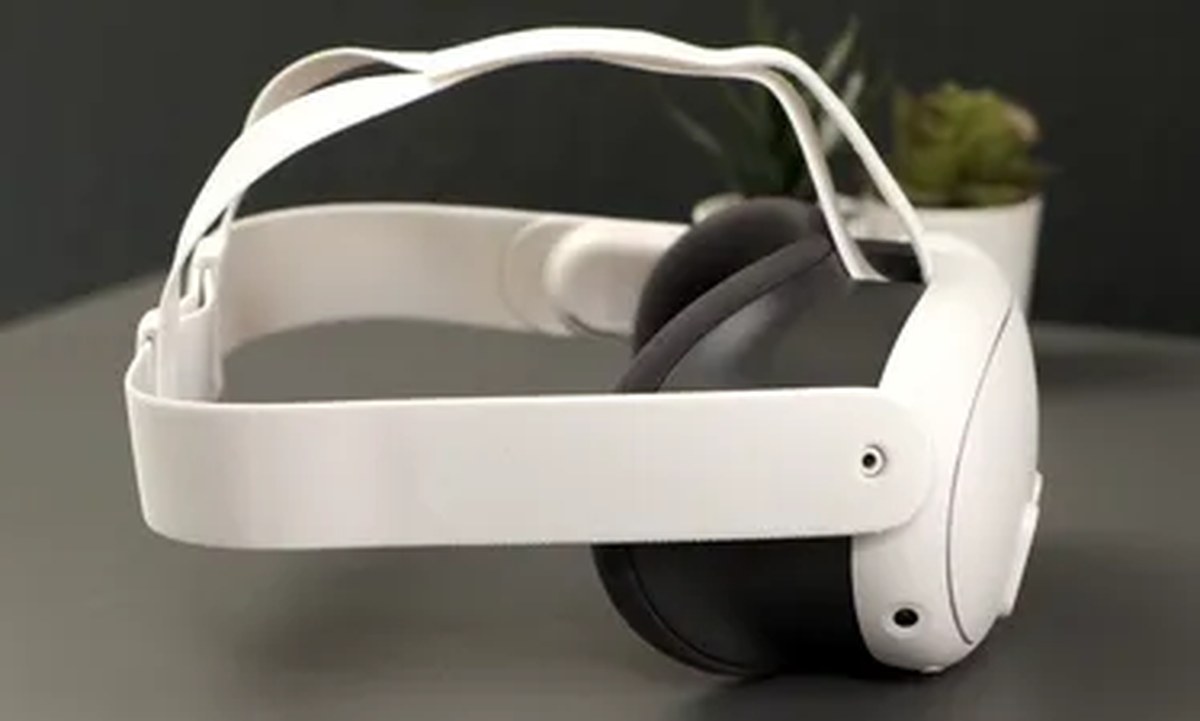
The design philosophy behind the Glasses is rooted in an obsession with weight. Meta engineered the headset to sit at just 100 grams on the head — a figure that represents a dramatic reduction over the Meta Quest 3, which preceded it. That reduction comes at a cost, however: the headset carries less memory and storage than the Steam Frame, even as it adopts a sleeker, more fashion-forward form factor. The tradeoff appears deliberate, with the puck’s Snapdragon Reality Elite chip promising VR- and XR-specific performance that should outpace the aging Snapdragon 8 Gen 3 found inside the Steam Frame. Yet, according to Engadget’s coverage of the reveal, the gains may not justify the sacrifices in capacity.
A Pocket-Powered Architecture
The defining feature of the Glasses is their external processing unit. Rather than packing a full system-on-chip into the frame itself, Meta routes all compute through the detachable puck, which users keep in their pockets. This approach is what enables the remarkable 100-gram figure, freeing the headset from the weight of a discrete processor and battery. The puck houses 12GB of RAM and 128GB of storage, both of which are considerably leaner than the specifications found in competing devices.
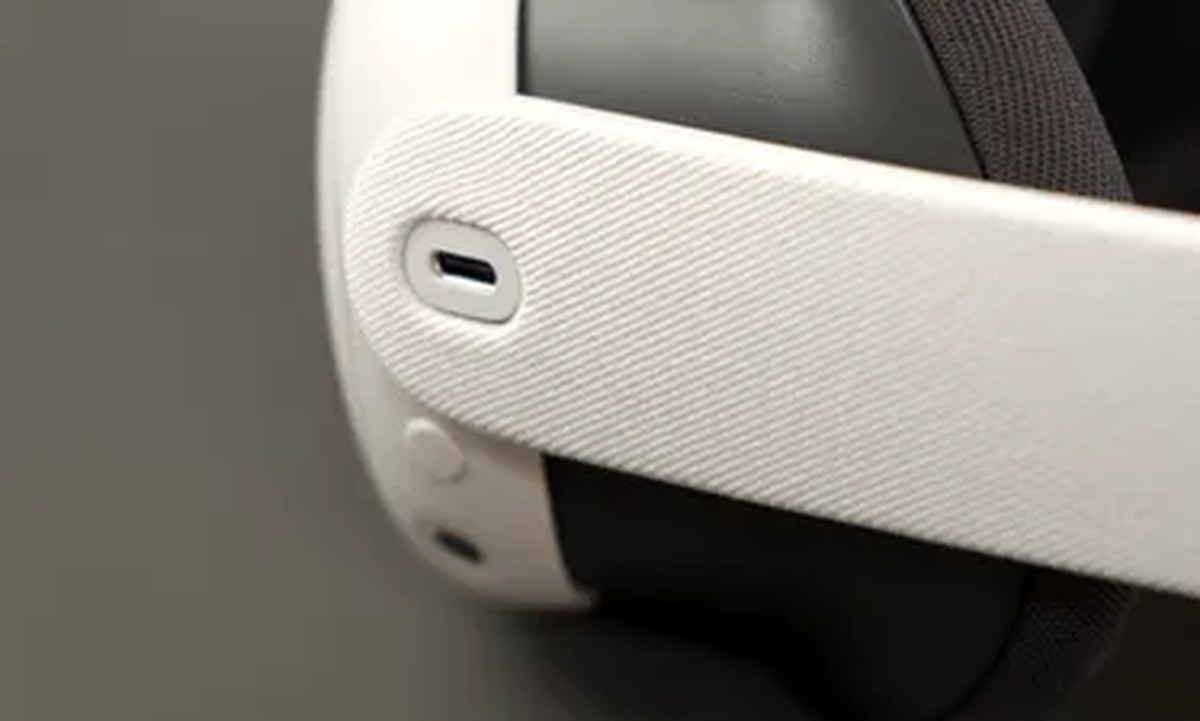
Notably, the puck includes a microSD card reader, offering a degree of expandability that would otherwise be impossible for a device of this weight. Still, the reduced internal capacity means users who want serious storage will need to rely on external cards or cloud-based solutions — a limitation that could shape the Glasses’ appeal to casual versus power users alike.
The RAM Crisis and the Subscription Model
Industry analysts point to the ongoing memory shortage as a primary driver of the headset’s price. The RAM and storage crisis has pushed component costs across virtually every category of consumer electronics, and Meta’s Glasses appear to be no exception. The 128GB internal drive — down from the 512GB found in the Quest 3 — is widely interpreted as a direct concession to the inflated cost of memory chips.
Compounding the hardware expense is Meta’s likely strategy of monetizing the device through software subscriptions and add-ons. Sources suggest the company intends to aggressively promote extra services to unlock the full potential of the Glasses, a model that raises concerns about data harvesting during setup. For a company whose core business is built on user data, the combination of premium hardware and subscription-driven services represents a familiar, if controversial, playbook.
At $1,299, you start getting to the point where you can buy a pretty nice TV for far less money. If there was any company I’d expect to use software sales and data harvesting to subsidize VR hardware, it’d be Meta.
Jackie Thomas, Senior Tech Editor
The community reaction has been mixed, with enthusiasts praising the Glasses’ professional sheen and ultra-lightweight design while expressing skepticism over the price and the company’s monetization approach. The “private theater screen” framing used during the Connect presentation resonated with some viewers, who see the Glasses as an ideal for immersive home entertainment — even as others worry that the high price point will limit mainstream adoption.
Looking Ahead
The Meta VR Glasses are expected to launch this spring, positioning them as a flagship device that reflects the broader trend of premiumization across the VR market. As memory prices remain elevated and competitors like Valve continue to anchor the high end with devices such as the Steam Frame, the Glasses signal that Meta is targeting a more affluent, hardware-first segment of the VR audience.
Jackie Thomas is the Senior Tech Editor at IGN and the PC components queen. She’s been covering gaming hardware for more than a decade for IGN, TechRadar, Gizmodo, PC Gamer and more. You can follow her @Jackiecobra.



1 comment
[…] Article: Meta’s $1,299 VR Glasses Arrive at Connect, Signaling a New Era of Premium Headsets → Kaynak: PC Gamer […]