

The Video Game History Foundation has announced a significant expansion of its free digital magazine archive, now beginning to scan and preserve Japanese publications for the first time. The milestone marks a deliberate move beyond the foundation’s long-standing English-language collection, with its inaugural Japanese title covering the 1995-2000 window and requiring a bespoke preservation workflow. Rather than relying on machine translation of tens of thousands of pages, the team has paired its existing text-mapping infrastructure with a network of Japanese-fluent volunteers to make the material both accessible and faithful to the source.
The initiative builds on years of work digitizing Western gaming press, but the shift to Japanese sources introduces a fundamentally different set of challenges. Japanese magazines are dense with text, often feature region-specific terminology, and carry cultural context that automated tools struggle to reproduce accurately. The foundation’s approach reflects a growing recognition across the preservation community that some materials are better served by human curation than by bulk translation.
A Deliberate, Human-Centered Method
According to the foundation, the path forward was shaped in close consultation with professional archivists in Japan. Those experts directed the team toward their preferred libraries for Japanese document transcription, which were then folded into the same text-mapping toolset the foundation already uses for English-language magazines. This hybrid model allowed the project to index the major articles from the complete run of the magazine in English while sidestepping the pitfalls of wholesale machine translation.
Instead of attempting to translate every page, the team assembled a group of Japanese-fluent volunteers to compile a curated list of major articles and interviews for each issue. The result is a practical, efficient method that prioritizes the most significant content while preserving the integrity of the original material.
“We think this is a practical and efficient method for making these magazines’ contents more accessible, while avoiding the pitfalls associated with automated bulk translation.”
Video Game History Foundation
The decision to favor curation over automation is notable in an era when many digital archives lean heavily on AI-driven translation to scale quickly. The foundation’s stance suggests a belief that gaming history deserves careful, context-aware handling rather than a rushed, mechanical pass over the source text.
Spotlight on the Neo Geo Era
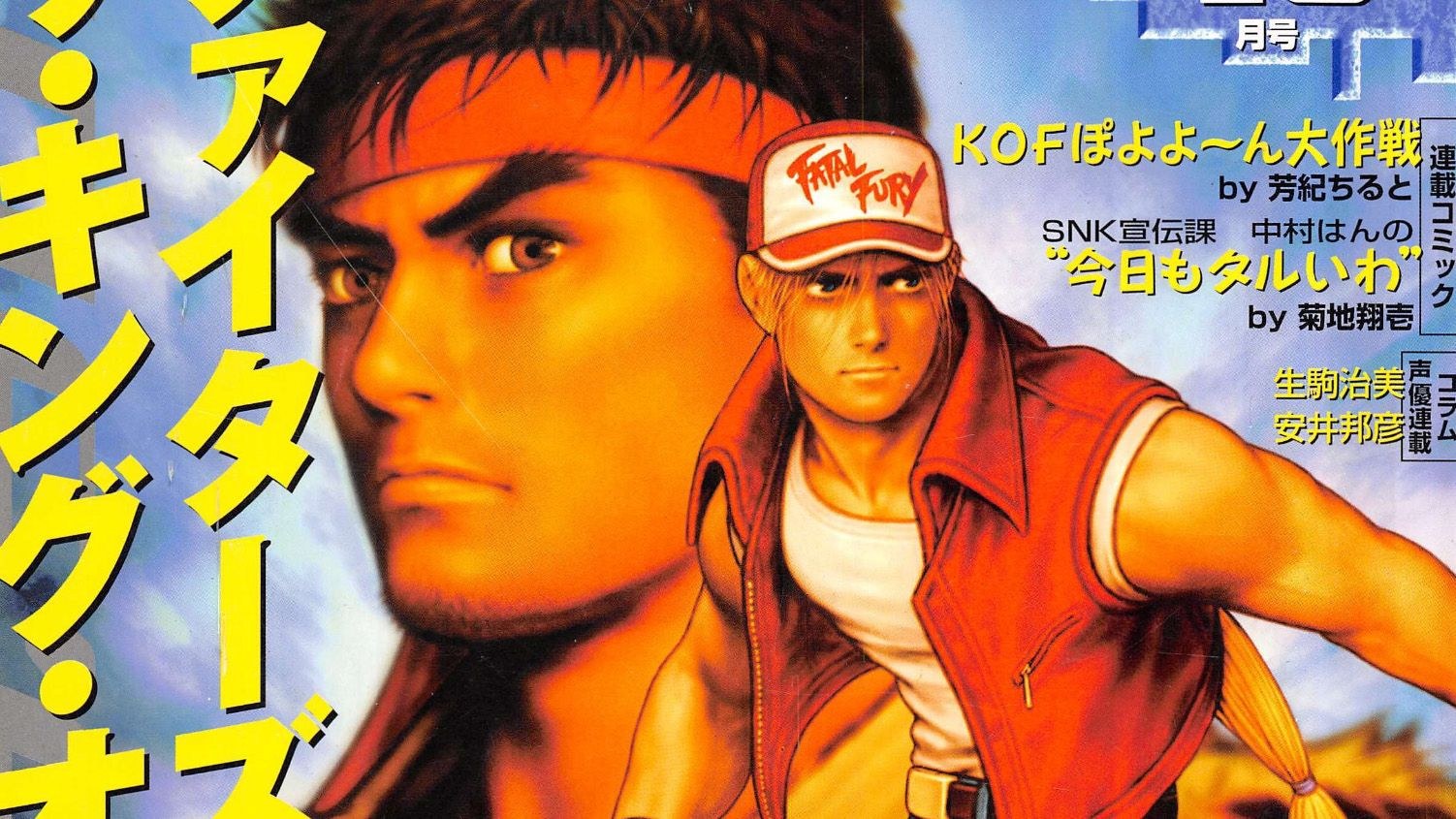
The first Japanese title in the expanded archive carries a clear thematic focus. As the accompanying imagery makes clear, the initial batch leans heavily into the Neo Geo lineage, with coverage that celebrates the platform’s heyday. The magazine in question, Ganbatte!, was a staple of the Neo Geo press run, and its 1995-2000 span captures the console’s most defining years, from the launch of the original system through the rise of the Neo Geo AES and the ongoing popularity of the MVS arcade platform.
By indexing the major articles from this complete run, the foundation is giving researchers, collectors, and longtime fans a searchable window into a period that shaped modern fighting games and arcade culture. The Ganbatte! archive is a fitting starting point, given the magazine’s reputation among enthusiasts as a definitive source on Neo Geo hardware, software, and the personalities who defined the scene.
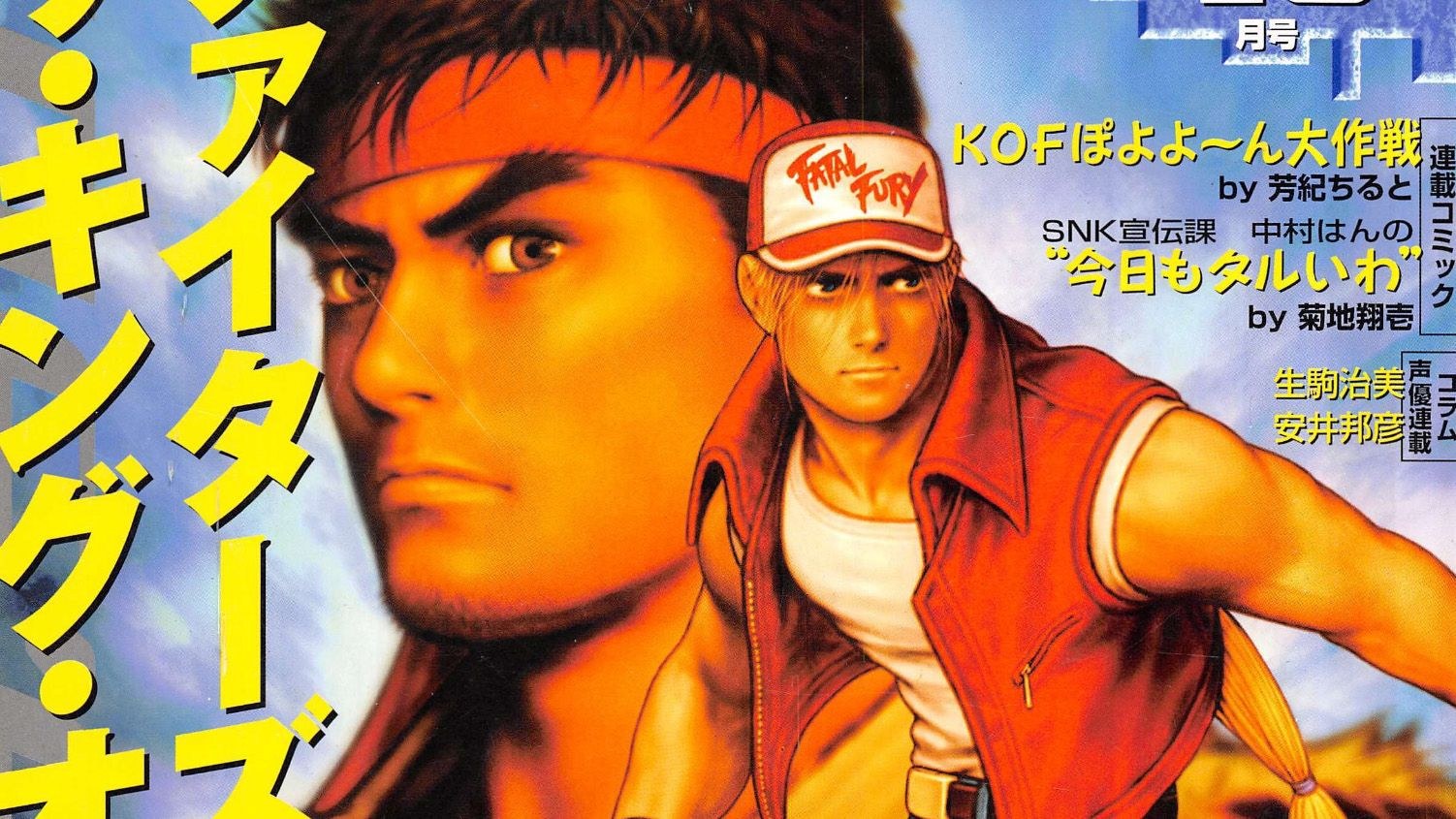
The visual materials accompanying the announcement further underscore the era’s aesthetic, with promotional imagery that nods directly to the platform’s dedicated fanbase. For those who grew up reading these pages, the digital preservation offers a chance to revisit content that was once scattered across physical copies and regional releases.
Looking Ahead
While the foundation has not yet disclosed a full release schedule for the Japanese collection, the 1995-2000 run of Ganbatte! is already available for exploration within the archive. The team’s emphasis on a scalable, human-assisted workflow suggests that additional titles and later eras could follow, potentially extending into other regional markets and publishers.
As the archive grows, the foundation’s model may well become a blueprint for how preservation organizations handle non-English gaming press. By combining institutional partnerships, specialized tooling, and volunteer expertise, the Video Game History Foundation is setting a precedent that balances accessibility with accuracy. For the global gaming community, that balance is more than a technical detail—it is the difference between a fleeting digital snapshot and a lasting record of the medium’s history.



No comments