

Thirty-three years ago, on September 24, 1993, a single television episode quietly reshaped the landscape of science fiction storytelling forever. In an era before streaming, when viewers had to tune into a show at a specific day and time, networks understood that the first few episodes — not just the pilot — had to serve as a proper introduction to prevent audiences from tuning out. The X-Files, the groundbreaking series created by Chris Carter, relied on this principle to build its sprawling mythology and its beloved procedural format. Its third episode, “Squeeze,” written by Glen Morgan and James Wong, became so acclaimed that it established a benchmark for what a standalone “Monster of the Week” installment could achieve, influencing the genre long after the show’s original run.
The series opened with two episodes anchored in its central alien conspiracy: the pilot introduced FBI agents Fox Mulder (David Duchovny) and Dana Scully (Gillian Anderson) as they investigate paranormal phenomena and alien abductees, while the second episode turned to an Air Force base experimenting with alien aircraft. Both episodes dealt directly with the show’s overarching mythology, making the third episode — the first standalone procedural — just as vital in balancing plot-driven storytelling with one-off investigations. The result was a tight, atmospheric tale that hooked early viewers and set a remarkably high bar for the future.
A Monster Like No Other
“Squeeze” opened with a series of seemingly impossible murders in Baltimore, where victims were killed and their livers removed with the killer’s bare hands. The case grew stranger with each revelation: every crime scene was located in a place that was nearly impossible to access, with no obvious points of entry. Mulder noted that a similar pattern of murders had occurred decades earlier — in 1963, 1933, and perhaps even further back. When Mulder and Scully staked out one of the crime scenes, they apprehended a man named Eugene Victor Tooms (Doug Hutchison), a cold, blank-faced figure who appeared to be in his 30s. Given his apparent age, Tooms could not have committed the earlier killings, and after passing a lie detector test, the local agent let him go. The murders then continued.
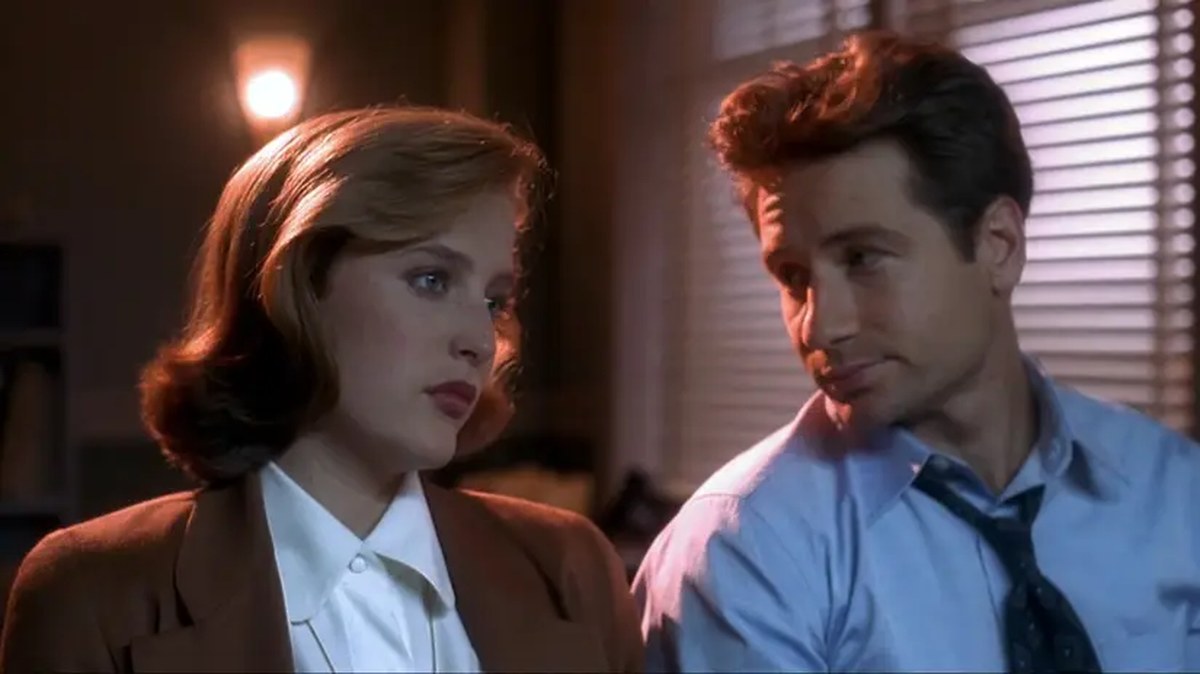
“Squeeze” was important because, as much as The X-Files was about its central conspiracy, far more of its episodes were about standalone, procedural stories where Mulder and Scully investigate paranormal cases all over the country. If episodes like that didn’t work, the show would not have been able to last for one season, much less 11.
Glen Morgan and James Wong
As the mystery deepened, Tooms was revealed to be a creature capable of stretching and squeezing his body into impossible spaces, consuming several human livers to sustain himself before falling into a 30-year hibernation. Upon awakening, he repeated the deadly pattern. While the show never fully explained what Tooms truly was, the creature proved original and memorable, with the unsettling sight of his yellow eyes glimpsed through tight vents and other small spaces lending the episode a genuine sense of dread.
Setting the Standard for the Genre
The episode’s significance extends well beyond its runtime. Morgan and Wong crafted a story that was both creepy and intriguing, featuring a monster unlike anything audiences had seen before. Hutchison delivered a performance imbued with a slightly empty, alien quality, making the creature deeply mysterious even while it appeared to be an ordinary man. This balance of the familiar and the uncanny is precisely what made “Squeeze” such an enduring reference point.
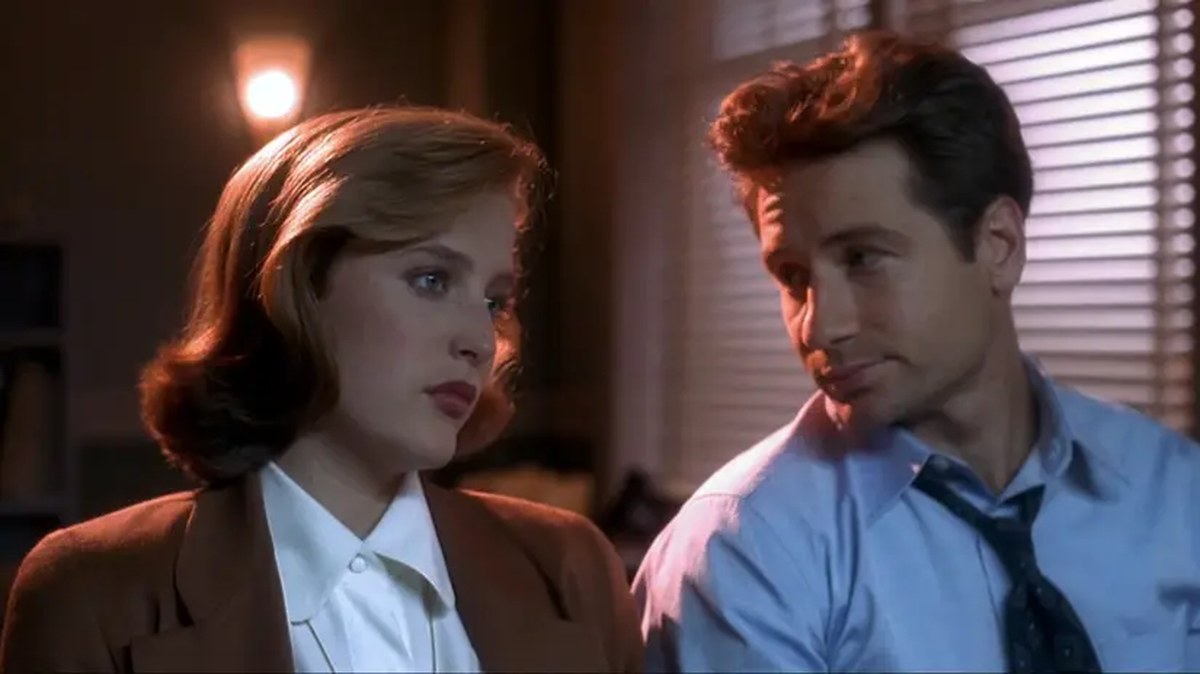
Over the years, the occasional standalone episode would surpass it — titles like “The Host” and “Home” are often cited as even stronger entries — but such achievements were rare. For the most part, “Squeeze” remained the best example of how to nail a Monster of the Week story. As long as an episode landed somewhere in the ballpark of “Squeeze,” it was generally considered a decent installment of the series. The episode demonstrated that a self-contained narrative could carry the weight of the show’s larger mythology while still delivering a satisfying, self-contained mystery.
Looking Ahead
Today, The X-Files remains a cultural touchstone and is available to stream on Disney Plus, Hulu, and for free on Pluto TV, allowing new generations of viewers to experience the series that defined an entire genre. For fans revisiting the show, “Squeeze” stands as a reminder of the power of a single, well-crafted episode to leave a lasting mark. As the series continues to be celebrated for its blend of conspiracy and procedure, the legacy of Morgan and Wong’s early work endures — a testament to the idea that sometimes, one great episode is all it takes to redefine the entire medium.



1 comment
[…] Article: How One 1993 Episode of The X-Files Redefined the Sci-Fi Genre and Set the Standard for Decades to C… Kaynak: Polygon […]