

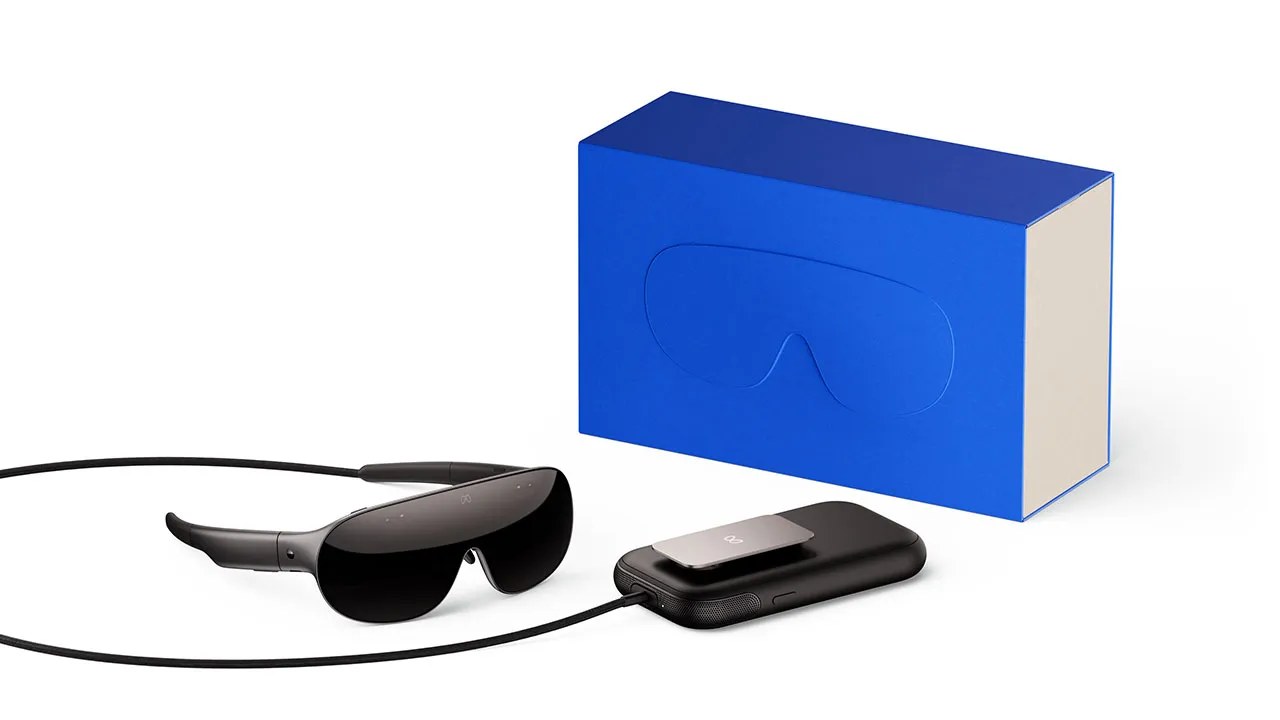
Meta has officially unveiled its next-generation VR Glasses at this year’s Toronto International Film Festival, marking a decisive pivot toward entertainment-focused, lightweight headsets that arrive this spring for $1,299.99. The reveal, staged in a makeshift gallery near the festival’s main venue, showcased a device that weighs roughly 100 grams, requires no handheld controllers, and partners with IMAX to deliver full-frame, 1:43.1 aspect-ratio cinema directly to the user’s eyes. The announcement targets casual viewers and skeptics who have long dismissed the industry’s bulky, all-encompassing headsets, positioning the new hardware as a more approachable entry point into virtual reality.
Unlike the Meta Quest and Apple Vision Pro, which demand full immersion and dedicated controllers, the new VR Glasses are designed to feel like a pair of sleek dark shades rather than ski goggles. A cable connects the lightweight frame to a “puck” roughly the size of an iPhone, which houses the battery and computing hardware and can be clipped to a belt or carried in a pocket. The glasses themselves feature switchable nose pads, adjustable lenses, and front-facing cameras that capture subtle hand movements to drive on-screen menus.
A Cinema-First Design
The centerpiece of the reveal is Meta’s partnership with IMAX, which brings full-frame, native aspect-ratio films to the headset for the first time outside of select cinemas. Titles such as The Odyssey, Sinners, and Dune: Part Three are expected to showcase the format, which the company says cannot be fully replicated by Blu-ray or UHD discs, which expand only to a television’s 16:9 dimensions. The device’s 5K display, built from micro OLED panels with 37 pixels per degree and Dolby Vision enhancements, is designed to deliver a high-quality image.
For most films, a screen appears at a set distance within the user’s field of view, though this feature was not yet available during the demo. For select titles and experiences, ILM has built an “Immersive Cinema” virtual reality viewing room that syncs with the film itself. During the Disney+ demonstration, the environment recreated the scene where Thor forges his hammer Stormbreaker inside a grungy space factory, with lava splashing around the screen.
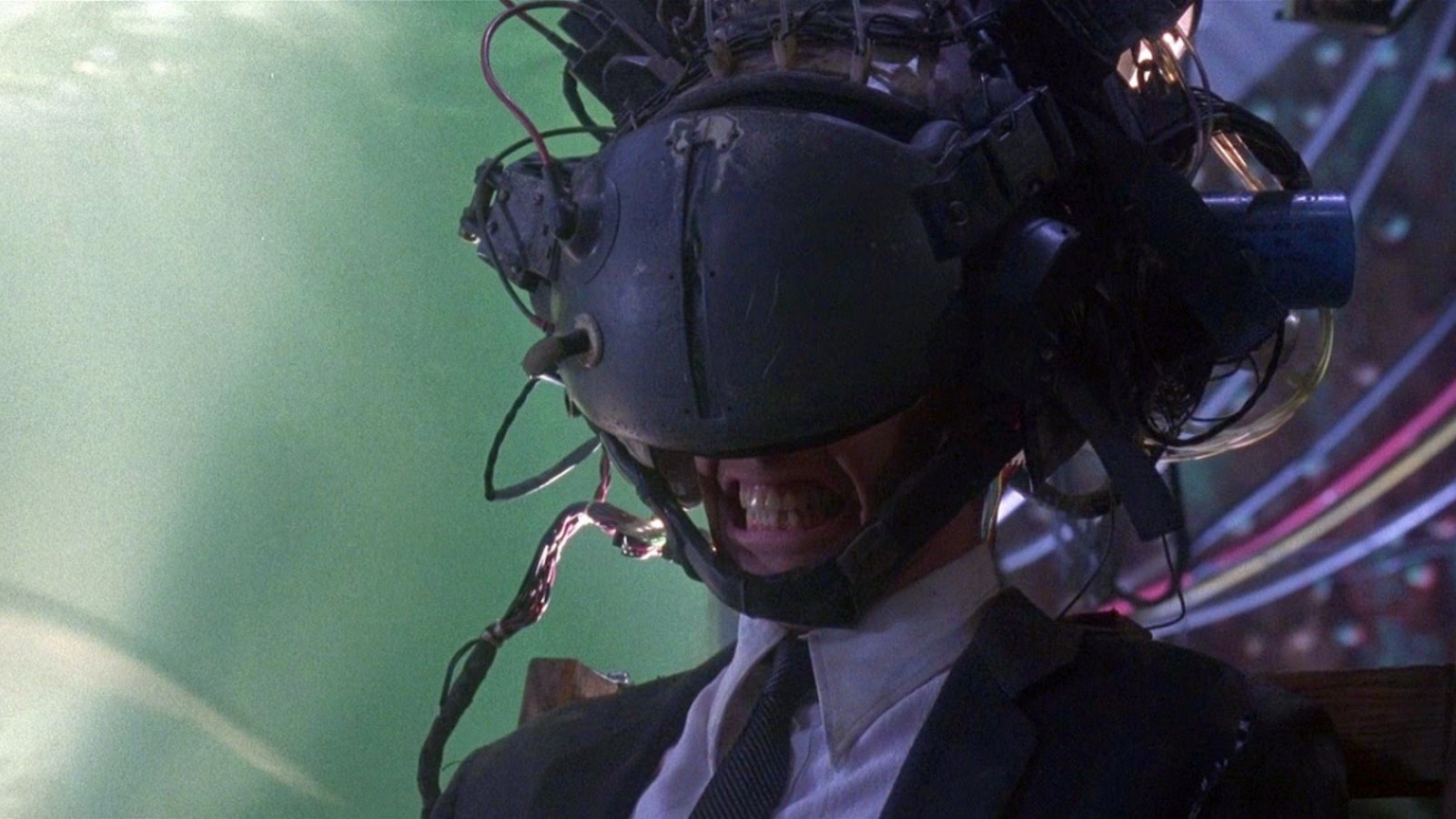
We are… self-aware.
Meta Entertainment Executive
The self-aware tone from Meta’s executive echoed a broader sentiment among consumers who have grown frustrated with the clunky, closed-off nature of existing VR headsets. The new glasses rely on physical gestures rather than controllers, letting users flick and pinch to navigate without the awkwardness of traditional VR input. Navigation is gamified: once eye movements sync to the cursor, simply looking at an app icon highlights it, and a pinch selects it.
Streaming, Sports, and Beyond
On the content front, Meta has integrated a wide range of streaming services, including Prime Video, YouTube, DIRECTV, AMC+, Crunchyroll, Plex, and Tubi. Three-dimensional content will be available at launch from HBO Max, Paramount+, and Peacock, with a Doctor Strange clip demonstrating the effect. The technology also extends to sports, offering a 180-degree field of view and virtual courtside seating for live broadcasts such as the 2026 NBA Finals.
Audio is handled by built-in speakers that deliver a surround sound experience via Dolby Atmos, which is particularly useful for music-based games like Beat Saber, one of the 75 built-in titles available at launch. The headset also supports Xbox Cloud Gaming and can mirror a Mac or PC, either wirelessly or via USB-C.
Looking Ahead
While the device’s $1,299.99 price tag may deter some consumers, Meta’s emphasis on an open design that still allows users to peek out and return to the real world easily is intended to appeal to fence-sitters. Engineers demonstrated on the fly that users will eventually be able to reposition screens within their field of view, and prescription lens capability is reportedly in development, though no official details have been confirmed.
Some technical kinks remain, including glare from light sources leaking into the field of view and minor flickering when viewing surfaces around the floating user interface. Regardless, the lineup of streaming services and viewing features positions the Meta VR Glasses as one of the more compelling developments in the VR space, offering a convenient and less intimidating alternative to traditional headsets.



1 comment
[…] Article: Meta Unveils Lightweight VR Glasses at TIFF, Partners With IMAX for Full-Frame Cinema → Kaynak: Polygon […]