

For a six-year-old boy in 1999, stepping into the sprawling digital world of EverQuest was less an adventure than a source of genuine terror — and the character he created that day, a half-elf named Karokan, would spend his entire gaming life huddled just outside the gates of Freeport, fighting off orcs and rats while his father explored the wider world as a gnome magician. The story, shared by Joshua Wolens, offers a rare and intimate glimpse into the emotional origins of a generation of MMO players, revealing how the pioneering massively multiplayer online role-playing game captured the imagination of children long before the genre became a household name.
Wolens’ account traces back to a pivotal family moment: watching his father enjoy the then-new release of EverQuest and immediately wanting to join in. The decision of what to create became a small act of rebellion. “My dad played a gnome magician, but I was revulsed by the idea of being as short in the game as I then was in real life,” Wolens explained. “Also, magicianry sounded complicated.” The half-elf class, paired with a name he described as “a basically random series of syllables,” felt like the perfect compromise for a child who wanted to belong to the fantasy world without feeling diminished by it.
A World Too Vast to Explore
What makes Wolens’ story so compelling is not the character itself, but the overwhelming sense of scale that defined the EverQuest experience for newcomers. The game’s enormous, interconnected world — a defining feature that would later set the MMO genre apart from traditional single-player RPGs — was simultaneously its greatest strength and its most intimidating obstacle for a young player.
“I wasn’t so much scared of dying (though I was a bit scared of dying) but of getting lost,” Wolens recalled. “EverQuest felt impossibly vast, and I knew for sure that the second I stepped out of Freeport I’d never be able to find my way back.” This fear of the unknown shaped Karokan’s entire existence. Rather than venture into the dangerous territories beyond the city, the young player chose a simple, safe life, spending his character’s days just outside Freeport’s gates battling the game’s most basic enemies.
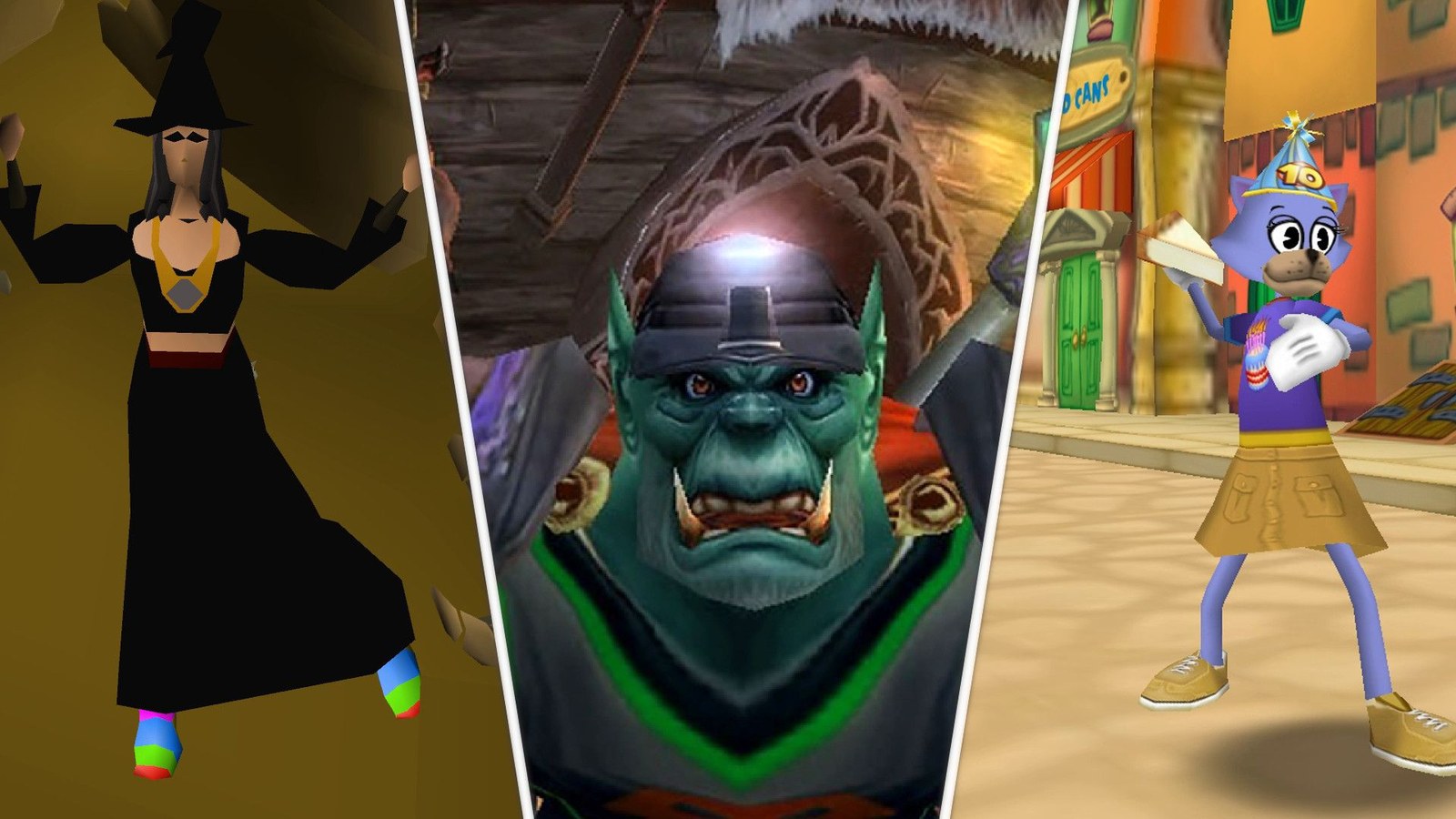
It was, as Wolens put it, “a simple life, but a happy one.” The anecdote captures something profound about the MMO experience: the tension between the freedom the genre promises and the anxiety it can inspire in those encountering it for the first time.
The Legacy of a Genre-Bending Game
EverQuest, launched in 1999 by Verant Interactive and Sony Online Entertainment, holds a foundational place in gaming history as one of the first true MMOs to achieve mainstream success. Its persistent online world, where thousands of players coexisted in a shared landscape, established the template that countless modern multiplayer games would follow. Titles like World of Warcraft, Final Fantasy XI, and later games such as Guild Wars and The Elder Scrolls Online all drew directly from the design philosophy pioneered by EverQuest.
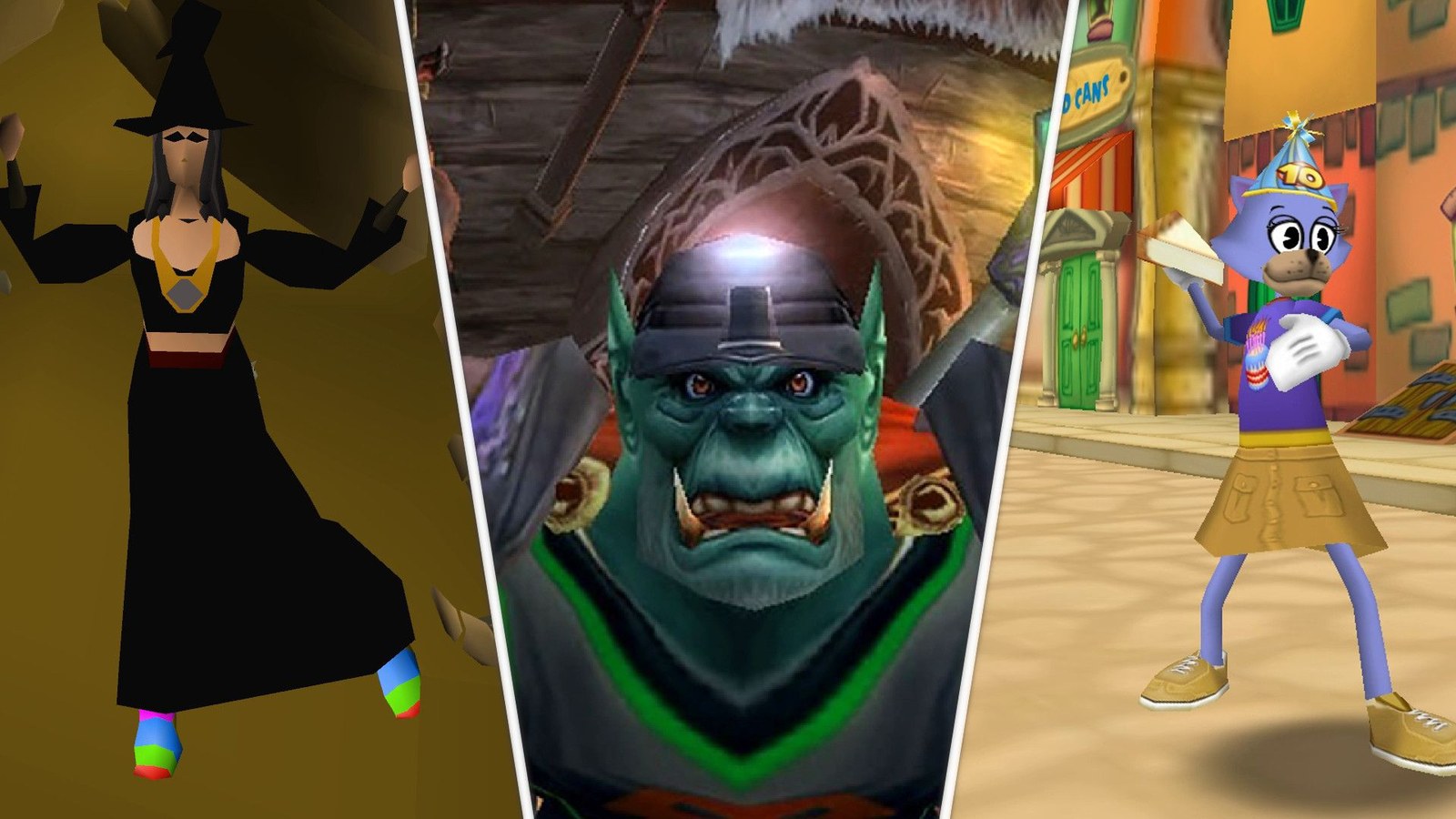
For players like Wolens, the game was not merely entertainment but a formative experience that shaped their relationship with digital worlds. The decision to remain near Freeport’s gates — a city that served as one of the game’s primary starting hubs — reflects the cautious optimism of a child learning to navigate an unfamiliar realm. Karokan may never have ventured far, but his story speaks to the universal experience of first-time MMO players who were drawn in by the promise of adventure yet held back by the sheer enormity of what lay beyond.
“It was a simple life, but a happy one.”
Joshua Wolens
Wolens’ reflections resonate with a broader community of players who remember their earliest encounters with online role-playing games with a mixture of nostalgia and fondness. For many, the characters they created as children — whether gnomes, magicians, or half-elves — remain some of the most emotionally significant figures in their gaming journeys, even if those characters never left the safety of a starting city.
Looking Ahead
As the MMO landscape continues to evolve with new releases and remastered classics, stories like Wolens’ serve as a reminder of the genre’s enduring appeal and its capacity to forge lasting connections between players and the worlds they inhabit. While Karokan’s tale is a personal one, it reflects a shared heritage among millions who first encountered virtual worlds in the late 1990s and early 2000s.
For Wolens, the significance of Karokan lies not in the heroic deeds he performed, but in the joy of discovery and the comfort of a safe haven in an intimidating world. As new games continue to push the boundaries of online multiplayer experiences, the legacy of EverQuest and the memories of its earliest players will undoubtedly endure — a testament to the lasting impact of the digital worlds that first captured the hearts of a generation.



1 comment
[…] Article: The Half-Elf Who Never Left Freeport: How a Child’s First MMO Character Became a Lasting Digit… Kaynak: PC Gamer […]