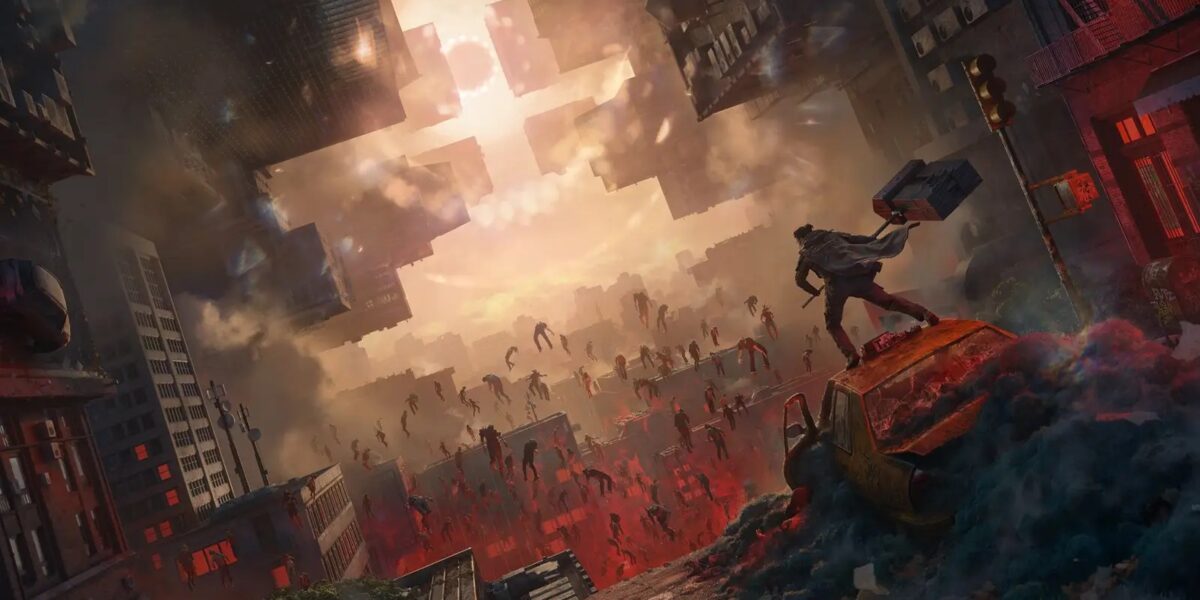
As Control Resonant prepares to launch next week with its own bold take on New York City, one look at Remedy Entertainment’s catalog reveals that Manhattan has been a recurring muse for the Finnish studio — long before its latest title arrived. In fact, 25 years ago Remedy released Max Payne, the third-person shooter that opened in a frigid version of the city and stands as the developer’s first game to make New York a central character.
The original Max Payne debuted on Windows PC a quarter-century ago before reaching PlayStation 2 and Xbox, establishing a dark, stylish tone that would later inspire a 2008 film starring Mark Wahlberg. Now, with Control Resonant bringing its own vision to the streets of Manhattan bağlantı, players are reminded that Remedy has been interpreting the city’s atmosphere for decades.
A Noir Opening on Icy Streets
The game’s opening is impossible to overlook: police cruisers and a helicopter converge on a skyscraper towering over frozen streets, as Max Payne stands near the edge of a rooftop surveying “shots fired.” The harsh elements and mounting dread set the tone for a story that unfolds partly through graphic-novel-style panels narrated by James McCaffrey.
The plot traces back three years to an evening when three drug-fueled thugs ransacked Max’s home in New Jersey, murdering his wife and daughter. Though he killed all three attackers, the tragedy drove him away from his colleagues on the police force and into an undercover DEA role targeting a mafia family tied to the designer drug that destroyed his life.
Bullet Time Defined a Generation
What made Max Payne stand out was its signature mechanic: bullet time. First introduced during early events at Roscoe Street Station — not, as the name suggests, a real Manhattan location — the move lets Max lunge or leap forward while everything around him slows to a crawl. Opponents freeze mid-stride until he can carefully aim and fire with near impunity, though shotguns render precise targeting almost unnecessary.
The delay is temporary rather than indefinite, but it gives players enough breathing room to turn chaotic shootouts into calculated exchanges of gunfire — a twist that paired well with the game’s uncompromising noir presentation.
A Legacy With Rough Edges
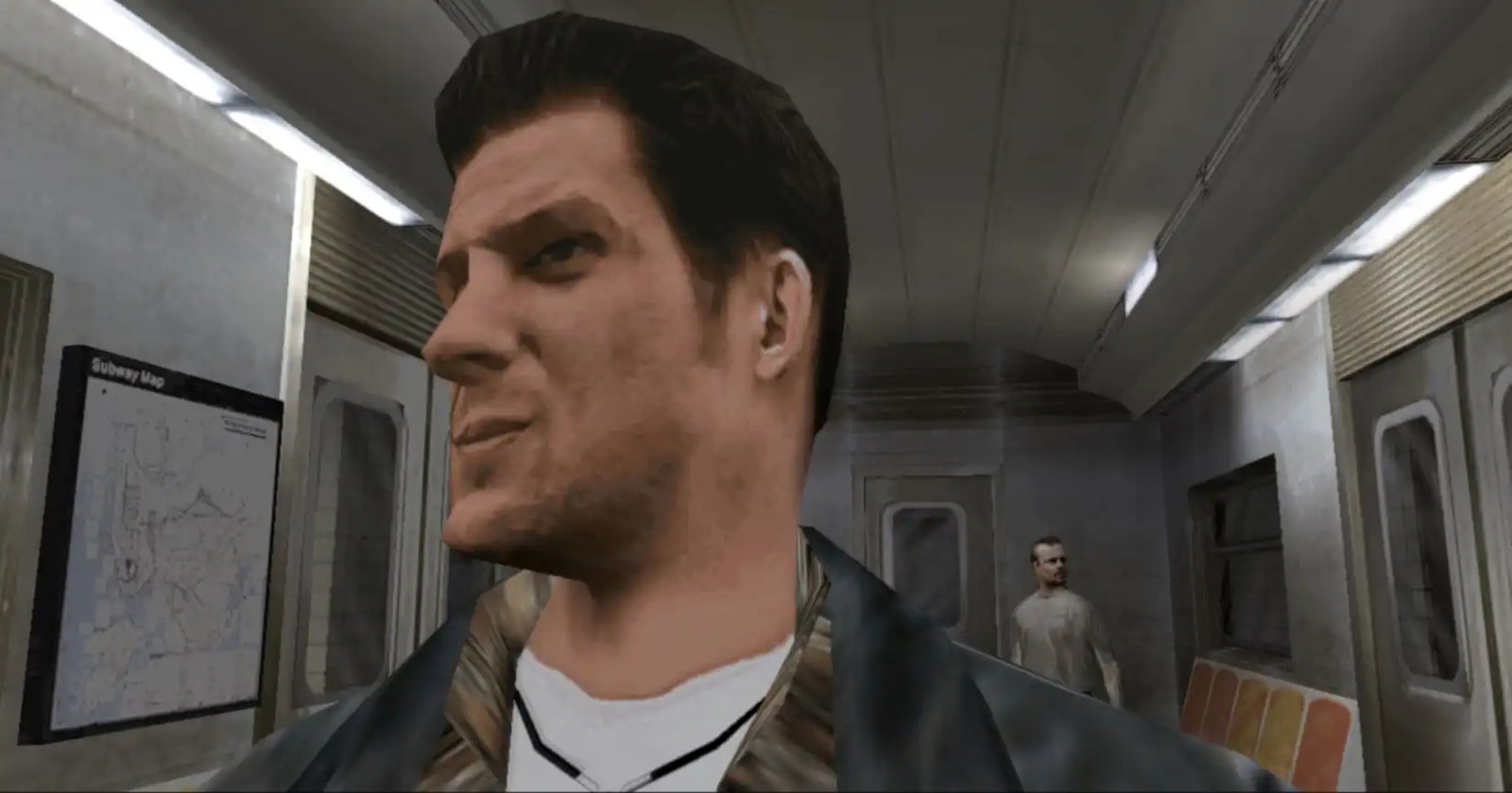
Players remember Max Payne fondly for its flair and pace, yet the original also carries blemishes that are easier to forgive given its age. Environmental textures and architecture lean bland, and Max’s permanent smirk can read as comical rather than edgy after multiple decades.
The game’s most glaring problems surface on consoles. The inverted Y-axis forces some players to fight the camera as much as their enemies, while the scarcity of healing items and checkpoints can turn a routine corridor clear into a punishing detour when a shootout goes wrong. On PC, by contrast, the option to save freely softens these frustrations.
Looking Ahead
Despite its rough edges — sometimes even because of them — Max Payne remains a mostly satisfying shooter more than 25 years after its debut, offering plenty of style backed by compelling action when played with fixes on PC. As Remedy continues to refine the experience for modern players through the upcoming Max Payne remake bağlantı, and shapes its interpretation of Manhattan in Control Resonant, it will be interesting to see how these two projects compare.





Comments
Be the first to comment.