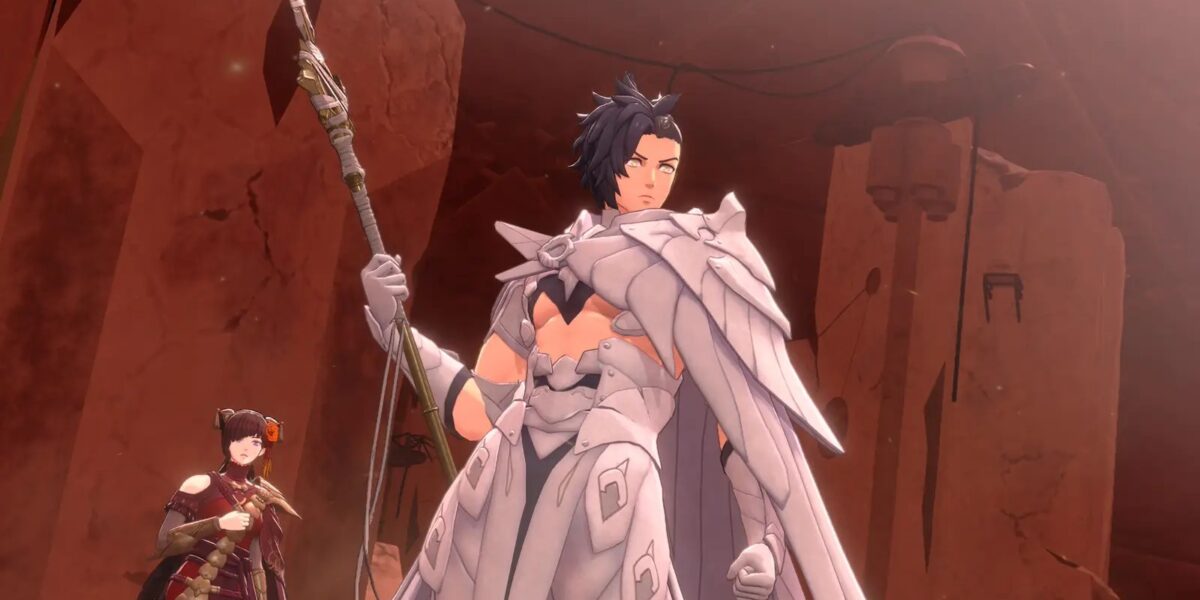
Intelligent Systems has delivered what many fans are calling Fire Emblem: Fortune’s Weave, a new tactical role-playing game that deliberately reaches back to the franchise’s most celebrated era while quietly overhauling some of its most enduring systems. Reviewers who have played the title describe it as proof that the series — now roughly three decades old — has finally reconciled its classic design DNA with modern expectations, blending Engage-style personal skills and Three Houses social depth with a more intimate, GBA-era approach to relationships and combat.
The result, according to Polygon’s review of the game, is a title that feels less like an anniversary spectacle than an evolution. Where recent entries leaned into exhaustive support networks — sometimes at the expense of genuine connection — Fortune’s Weave trims those interactions down to their essentials, favoring depth over volume and making every conversation count.
A Return to Intimate Relationships
The most noticeable change concerns how characters relate to one another. Rather than forcing each unit into a dozen support conversations and romance options, the game gives players a handful of meaningful exchanges with people who actually matter — colleagues, family members, rivals, and occasionally two clashing personalities colliding for the first time.
“Fortune’s Weave calls to mind the Game Boy Advance era of Fire Emblem,” Polygon noted. “Every character has a handful of support conversations with people who truly matter to them… Romance is a thing, but it isn’t the only thing.”
The design also resurrects an early-’00s tradition: mysterious outlier characters with excellent stats and striking designs that invite curiosity without demanding exposition. Figures like Legault and Farina reward exploration rather than forcing players through lore dumps.
“Even Nuzzuo, who has one support chat with one person, benefits from the depth it brings to him, which you wouldn’t otherwise get from the brief moment he appears in Cai’s path.”
Polygon
The payoff is described as substantial. Relationships feel more personal and meaningful rather than serving purely as narrative filler.
An Underworld With Teeth
Beyond romance, the game’s underworld storyline earns particular praise for injecting personality into a theme that has occasionally felt impersonal across the franchise. Drawing on the netherworld content first explored in 2004’s Sacred Stones, Fortune’s Weave frames undead encounters as part of a twisted family drama tracing its roots back to Sothis’ arrival centuries earlier.
The stakes are heightened by giving undead enemies special powers, restoring a sense of danger that reviewers felt was missing when facing skeleton armies — until the rare giant zombie dragons made appearances in older titles.
Fog of War and Strategic Depth
Limited-vision maps return as well. While Three Houses and Engage experimented with fog of war, Polygon argues their implementations never matched the tension found in Blazing Blade’s “Battle before Dawn” or some of Radiant Dawn’s more punishing layouts.
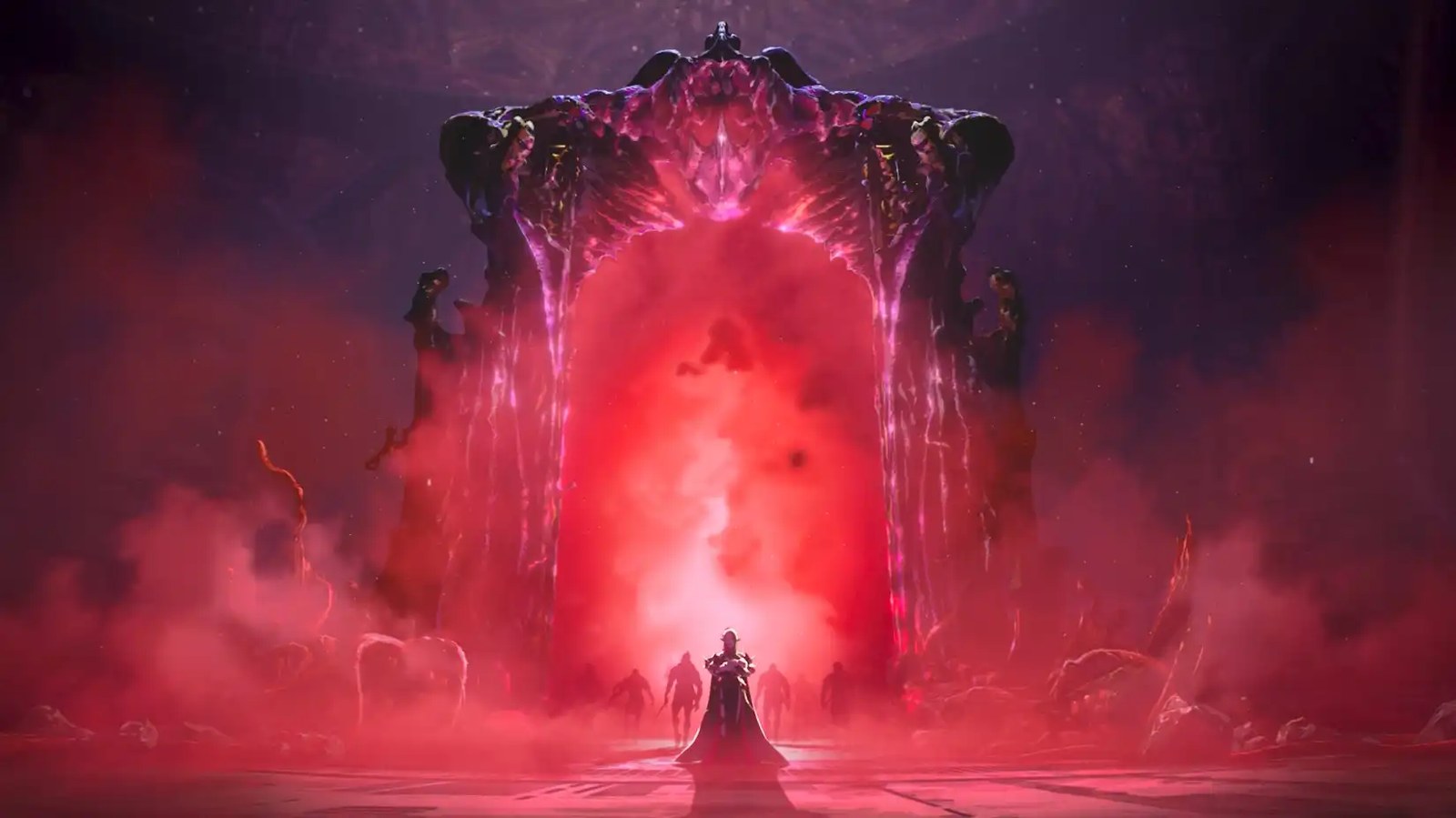
“The fog maps in Fortune’s Weave carry a sense of danger, even the smaller skirmish-type maps. Enemies behave in such a brutal fashion, seeking out targets they’re effective against and surrounding them, that not knowing where they are or what they’re packing feels like a serious threat.”
Polygon
To keep these low-vis encounters fair, the game includes a blessing to mitigate restricted vision. More importantly, it layers in a network of interactions that make fog maps more engaging than their predecessors: discovering an enemy confuses them for a turn, denying counterattacks, while accessories grant extra buffs when attacking confused foes.
The intended loop is clear — invoke the blessing, expand your vision, confuse a whole mob, then sweep in and demolish them.
Rethinking the Core Systems
Perhaps most significantly, Fortune’s Weave abandons both the weapon triangle and durability mechanics. On the surface these concessions to modernity could read as simplifications, but Polygon frames them as long-overdue improvements that expand strategic flexibility.
By building functions directly into weapons — such as axes always hitting hard at a cost to accuracy, or swords being stronger with follow-ups — players retain the same core decision-making while enjoying far more variety. Instead of deploying identical swordmasters, knights, and paladins in the same way every time, the game rewards experimentation.
“After years of experiments like weapon wear and adding debuffs to strong weapons in Fates,” Polygon wrote, “it plays like Intelligent Systems finally figured out how to make its classic systems work in a modern setting.”
Looking Ahead
As the series approaches its thirtieth anniversary, Fortune’s Weave appears positioned to define what comes next. By honoring the GBA-era charm of its predecessors while refining the mechanics that have shaped the franchise for decades, Intelligent Systems has crafted a title that rewards both veterans and newcomers alike.
The game is illustrated by Kurahana and stands as one of the most confident entries in the series’ history — a reminder that sometimes the best way forward is to look back at where it all began.
and





Comments
Be the first to comment.