Valve Confirms Steam Frame’s FEX Tech Could Bring Steam Games to Any ARM PC
Gamer24H Editorial TeamSeptember 16, 20266 min read10 views
Valve has confirmed that the Steam Frame VR headset is merely the first step in a broader effort to make Steam games playable on compatibility-challenged ARM-based PCs, revealing that the headset’s emulation technology could one day turn budget laptops and mini PCs into legitimate gaming machines. Speaking with RPS, Valve engineers explained how the open-source FEX emulator—developed and funded by the company—could extend well beyond the Frame’s internal hardware to support a wider range of devices running SteamOS on ARM architecture.
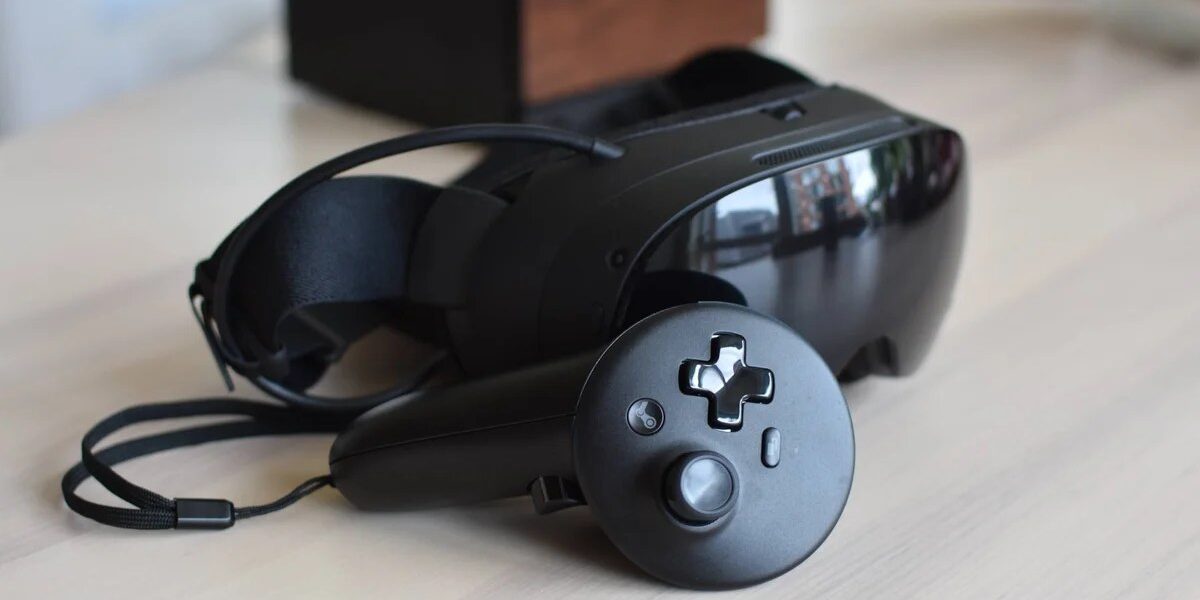
The Frame, as it stands, is unusual among virtual reality headsets for its ability to run Steam games—VR or “flat” alike—entirely on its own internal compute hardware. In effect, it is a SteamOS PC for your face. Yet, as Valve noted, this feature’s impact could extend far beyond the headset itself, because it is built on new compatibility technology that the company now hopes to bring to a broader range of PCs and laptops. In theory, that could mean turning previously unfriendly computers into bona fide gaming systems.
The x86-to-ARM Problem and Valve’s Answer
Understanding the ambition requires a little hardware jargon. Most PC games are built exclusively to run on processors using the x86 architecture—the type found in mainstream Intel Core and AMD Ryzen chips, and inside the Frame and other Valve hardware. Processors based on the rival ARM architecture, however, have become popular in non-gaming circles for their efficiency and battery-life benefits in tablets and slim laptops. Those advantages convinced Valve to use an ARM chip for the Frame, but while a few hundred games know how to play friendly with the architecture, that is well short of the thousands Valve wanted to run locally on their new headset.
The solution was FEX, an open-source x86-to-ARM emulator whose developers were approached by Valve and funded by them, on the sly, for years. Just as Proton makes Windows games compatible on the Linux-based SteamOS, FEX makes x86 games compatible on the ARM-based Frame—and its benefactors are not stopping there.
“Oh, for sure,” Valve engineer Pierre-Loup Griffais replied when I asked if Valve are exploring game compatibility for other ARM PCs. “Yeah, I think one of the things that we want to do, and that the Frame is kind of paving the way for, is just more general SteamOS for ARM, right? There’s a bunch of devices where you could have a great experience running SteamOS on there, that are currently kind of this adjacent ecosystem that’s just a little bit different. But not really that different, in our opinion.”
Pierre-Loup Griffais, Valve
In theory, then, FEX could be deployed to make—at least the bulk of—Steam libraries playable on machines that currently struggle, with modern ultraportable laptops, 2-in-1s, and mini PCs included. Performance on integrated graphics would, of course, vary, and there might still be a significant barrier in the form of devicetrees: essentially data-based maps that tell operating systems where to find all the different hardware components of an ARM chip. These layouts vary from manufacturer to manufacturer, so part of Valve’s work may involve gathering as much devicetree data as possible before FEX is put to work.
Looking Ahead
Regardless of the hurdles, Valve remain keen on the idea. “I think we want to enable all that stuff,” Griffais continued. “And yeah, I think in general, ARM chips are more of a force that’s coming on the PC side. There’s a lot of laptops and even desktop-ish platforms that are in the pipe, and so we’re interested in making sure people can have a good experience working through their whole library on there. And to not have a situation where… like, the worst case scenario would be ‘Oh this device is good, and the specs are good, the value is good, but I have to leave a portion of my catalogue behind if I’m even considering it.'”
“We don’t like those kinds of choices, so we’re trying to make it easier for those sorts of new devices to show their value instead of having to be evaluated on a different game library. Or compatibility tradeoffs in general.”
Fellow Valve engineer Josh Hudman also suggested that the company prefers to develop technology with multiple uses, citing their work on TMR (Tunnel Magnetoresistance) thumbsticks, which made their way into both the Frame and the recent Steam Deck refresh. Some ideas, he claims, were even cut from the Frame because they were not perceived to be useful elsewhere.
“A lot of the technology we work on, we try to keep that in mind,” Hudman said of Valve’s multifunction fixation. “When we do, like, thumbstick development, or wireless development, it’s not necessarily specifically focused on whether it’s for VR hardware or whatever. It’s more like, ‘Is this technology going to make us better at developing future technologies? Does it improve the gaming experience? Is it just a general technology that’s a good investment of time and energy?'”
“And I think there’s a lot of elements in the Frame, and our other hardware too, that we make that decision, and go after those technologies. Because there were some technologies we could have looked at on the Frame, which felt like they were very specific and didn’t scale to other things. We try to focus more on the things that scale to other hardware, and our overall technology efforts.”
For anyone who has long coveted the endurance of ARM-powered Snapdragon laptops but never felt confident enough in their non-work abilities to pull the trigger, the prospect of a more hardware-agnostic Steam feels very much “for me.” More so than the ability to play Hades on a headset, at least. Obviously, all of this remains possibility and potential right now, but it is easy to see Valve making the effort to push wider FEX support through—especially if the £889 / $1,059 Frame does not deliver the sales numbers the company would like.








Comments
1 Comment