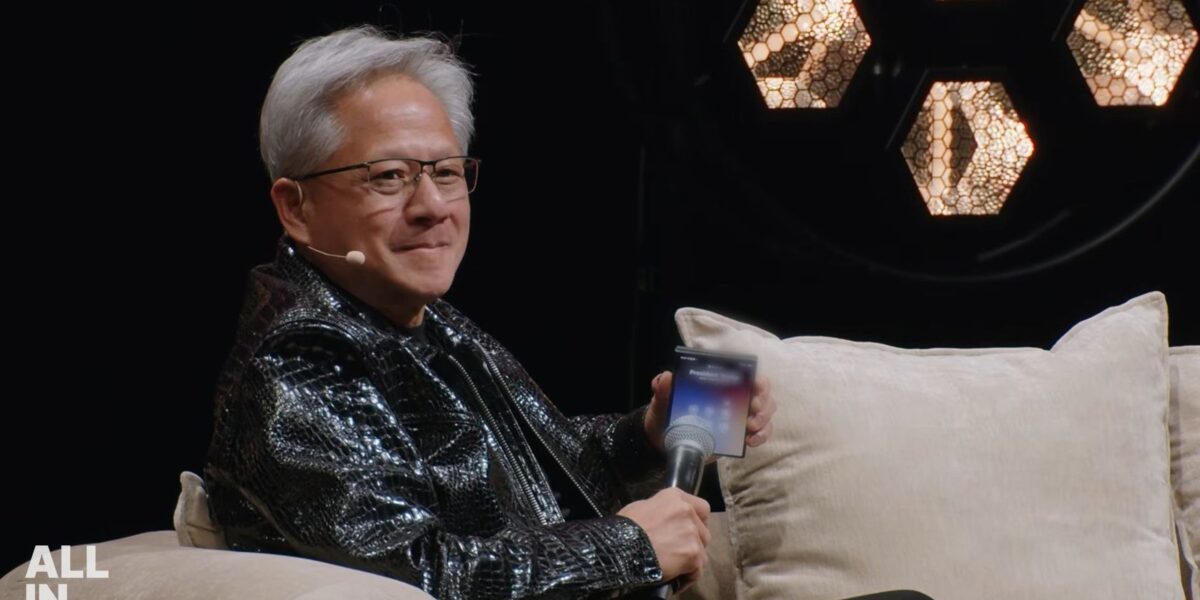
On a recent phone call between Nvidia CEO Jensen Huang and U.S. President Donald Trump, both men publicly dismissed growing calls to slow down artificial intelligence development, describing the warnings about an impending AI apocalypse as a hoax. The remarks emerged amid renewed debate over whether governments should impose guardrails on the rapidly expanding AI industry, with the conversation unfolding in the wake of fresh policy discussions that have drawn commentary from across Silicon Valley and Washington.
Huang, whose company sits at the heart of the modern AI hardware boom through its production of the chips powering most large-scale data centers, made clear during the call that he opposes any attempt to throttle progress. His comments were echoed directly by Trump, who framed the entire debate around existential threats as a fabrication designed to halt an industry he views as essential to American competitiveness.
The exchange took place over a direct conversation between the two men, with both leaders voicing their positions in real time and affirming each other’s stance. Huang expressed gratitude for Trump’s characterization of AI doomsaying as false, while Trump reinforced his administration’s position that the United States already holds significant regulatory leverage over major technology companies.
A Shared Rejection of Existential Fear
The core of the conversation centered on a mutual refusal to accept narratives suggesting AI poses an imminent threat to humanity. Huang described the warnings as misleading, while Trump took the framing even further, branding himself a “Hoax Buster” in his own words.
“I’m telling you it’s all a hoax. The datacenters are great… they’re just playing right into the hands of a lot of people that don’t want to see it happen… We’re not going to let that happen. It’s a hoax.”
President Donald Trump
Huang, in turn, affirmed his alignment with the president’s view: “You’re right. We’re not going to let that happen, sir.” When Trump noted that he had assumed Huang shared his perspective, the Nvidia chief responded without hesitation: “Yes sir… We’re going to make sure that everybody wins in the AI race in America. Every industry, every company, every state, every people.”
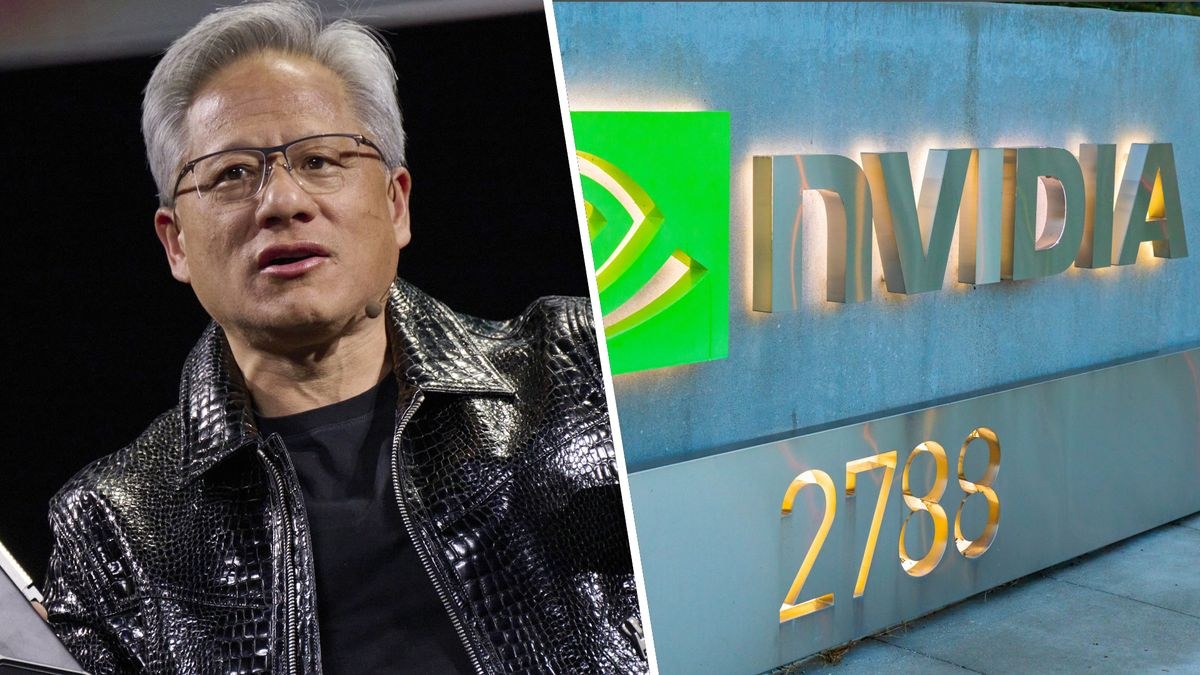
The two leaders appeared closely aligned on the premise that slowing AI development would ultimately harm rather than help society, with Trump emphasizing that prudent action need not mean stopping an entire industry.
“We have to do things and we have to do it prudently, but that doesn’t mean we’re going to stop an industry… I didn’t know how you felt about it. I assumed you felt the same way as me.”
President Donald Trump
A Debate Over Framing and Control
The comments have drawn a broader reaction from observers who acknowledge that discussions around AI safety are legitimate, yet question how such conversations are being framed. Some analysts argue that the emphasis on catastrophic scenarios distracts from more pressing concerns about how AI reshapes society in the present moment.
Critics of the “doomsaying” narrative point to tangible issues already underway: surging energy consumption at data centers, displacement of creative work traditionally performed by humans, and rising technology costs driven by industry demand. The argument follows that even if AI does not pose a severe cybersecurity threat, society should retain meaningful choice over how the technology evolves and what changes it imposes.
“If everyone is busy thinking about whether or not the AI industry could pose grand threats to national security… nobody is busy talking about the fact that we have lots of choices over whether and how the AI industry should change society regardless,” one commentator noted, suggesting that without focused discussion on these questions, the industry continues advancing unimpeded.
The framing also touches on geopolitical dimensions, with some observers noting that the competitive dynamic between Western nations and China adds pressure to prioritize speed over caution in the global race for AI dominance.
Looking Ahead
The Trump administration has signaled it already possesses substantial regulatory authority over major technology firms, including criminal and enforcement powers that could be deployed against companies deemed to act irresponsibly. This stance positions the White House as a potential counterweight to industry self-regulation.
Huang’s commitment to ensuring broad participation in the AI race suggests Nvidia will continue championing open development and infrastructure expansion rather than supporting restrictive measures. As the policy debate intensifies, the alignment between Washington and Silicon Valley on this issue may shape how future regulations are approached.
The coming months will likely bring further discussion of how these positions translate into concrete policy, with industry leaders and government officials weighing whether the emphasis should remain on accelerating progress or introducing safeguards. For now, both Trump and Huang have made clear that they view slowing AI as a mistake rather than a prudent step.






Comments
Be the first to comment.