

Brandon Sanderson, a titan in the fantasy genre, is more than just an author and publisher; he’s a scholar who generously shares his knowledge with fans. While constantly expanding his vast Cosmere universe, he also finds time to deliver insightful lectures on topics like Tolkien’s magic systems. It’s no surprise we once turned to him for advice on his time-management wizardry.
The Epic Fantasy Balancing Act
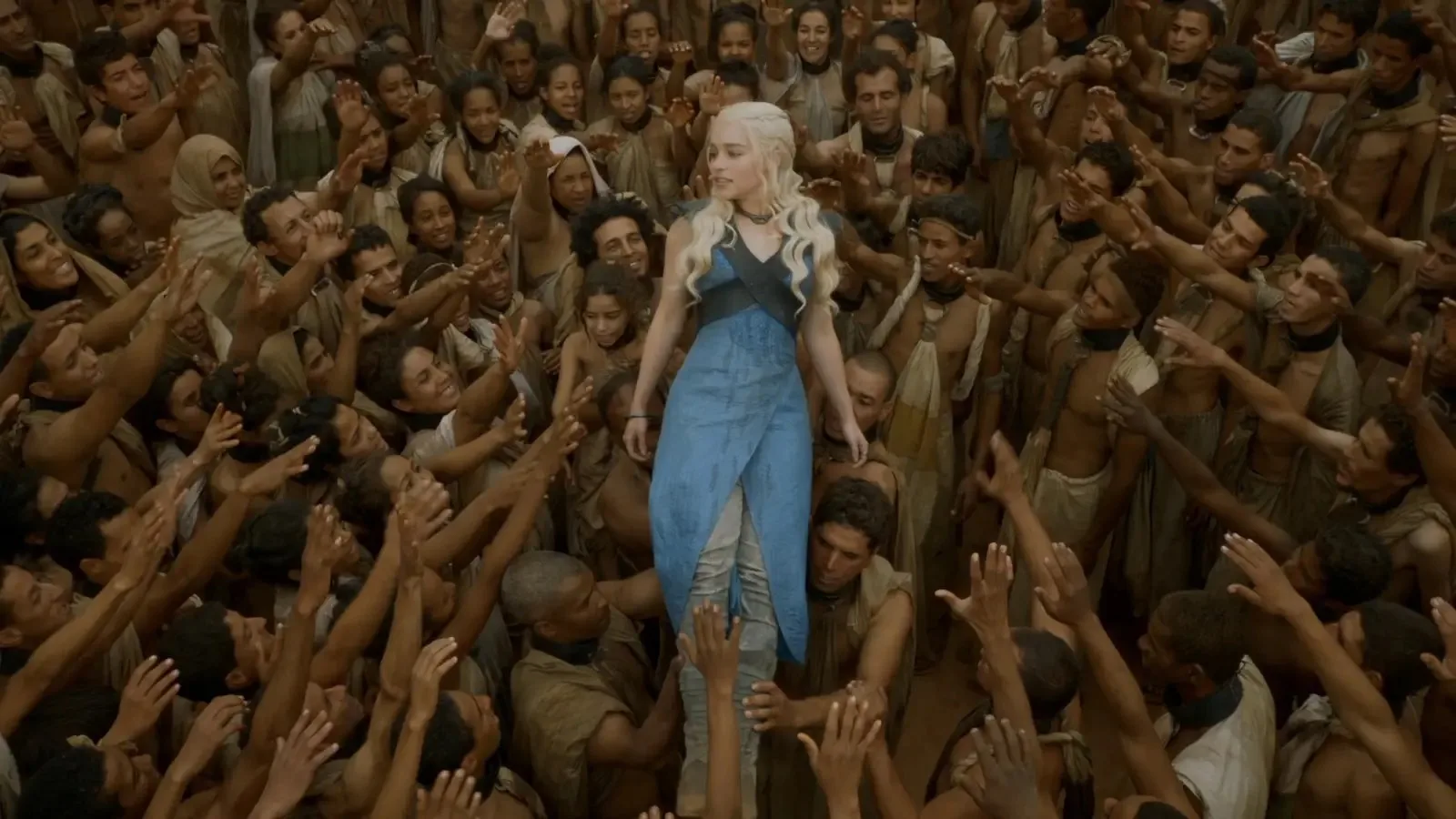
In a recent conversation with fellow fantasy author Joe Abercrombie, shared on YouTube earlier this year, the pair delved into the craft of writing. Game of Thrones inevitably came up again – a prime example for Sanderson of both the strengths and weaknesses inherent in Epic Fantasy.
“I grew up reading the big epics,” he explained. “I think it’s the most natural form for fantasy in some ways. It gives you a lot of time to dig into that world and immerse yourself in it and explore another place.” He believes this immersive quality is why Game of Thrones resonated so strongly with audiences.

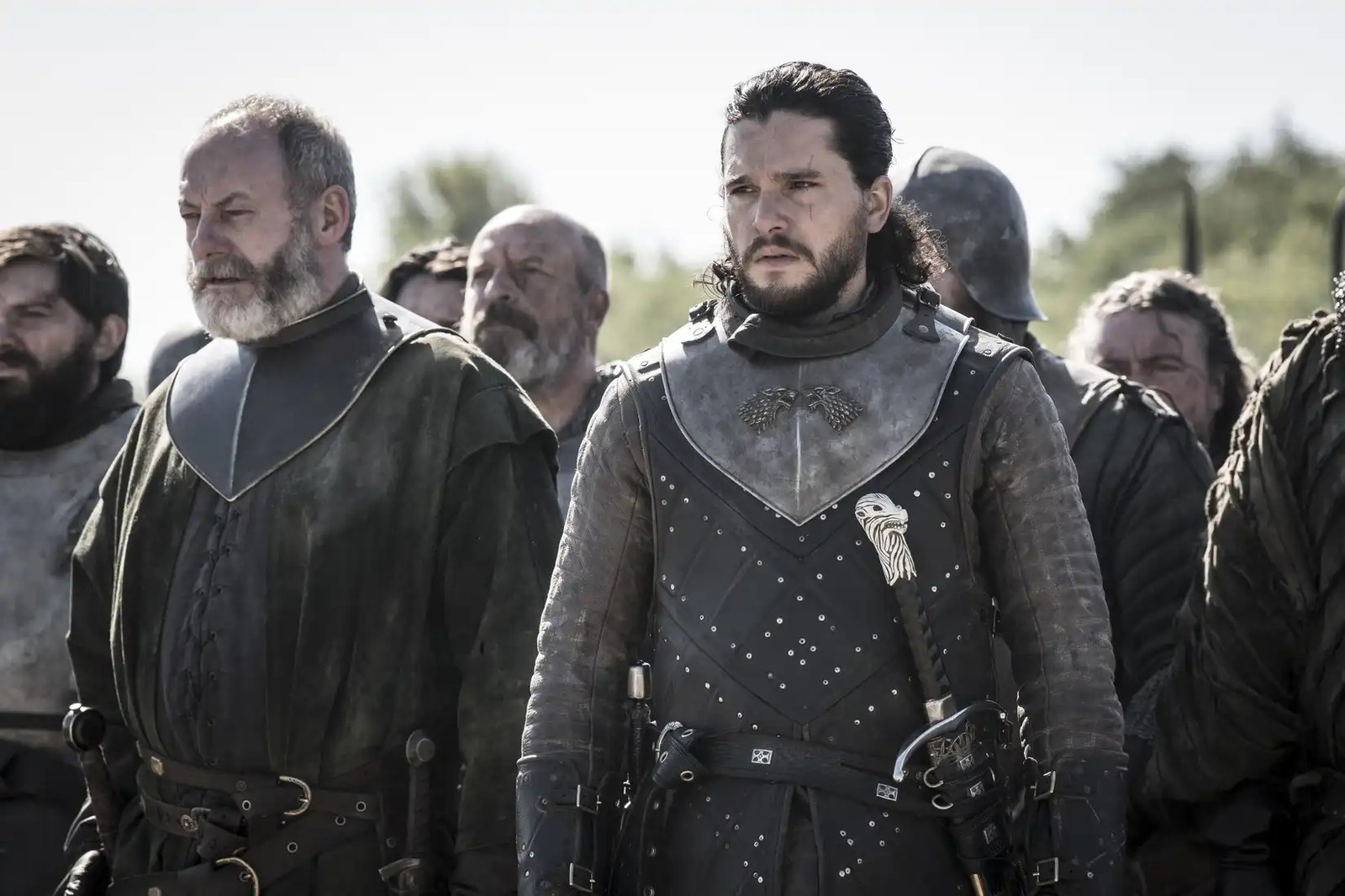
However, Sanderson also highlighted a critical danger: burnout. Drawing from his own experience, he confessed to needing breaks during the writing process, often around the 10th draft. “Epic fantasy has this danger,” he cautioned. “It starts very personal, and then it can drift away from being personal about the characters if you’re not careful. Authors tend to get more excited about side characters later on.” He pointed out that this tendency is visible in both Game of Thrones and A Wheel of Time. The key question becomes: how do you ensure a sprawling epic remains fresh, engaging, and emotionally resonant for both the author and the reader?
Maps, Realism, and the Tightrope Walk
This wasn’s the first time the two authors had discussed Game of Thrones; it was a topic of conversation during their 2025 meeting. This time, they were discussing Abercrombie’s latest novel, The Devils, released last year. Sanderson playfully inquired about maps, a recurring element in fantasy world-building.
“I mean, I love maps,” Abercrombie replied. “But I think they need to be exercised in the right way. I suppose what I don’s like is a kind of lazy application of maps.”
Abercrombie shared his initial approach to writing The First Law, aiming for a character-driven narrative with tight close-ups on the people. He felt that starting with a vast, panoramic view of the entire world would have been tonally inconsistent. However, including a map creates expectations and adds a layer of realism, which can lead to challenges for the author.
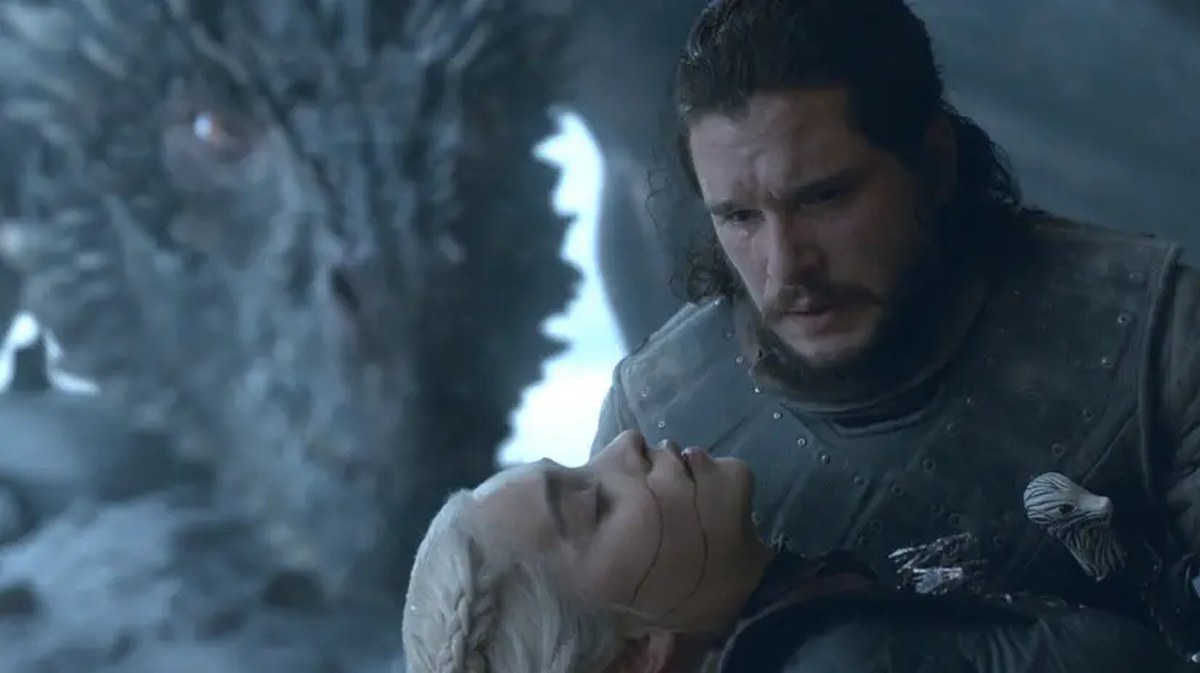
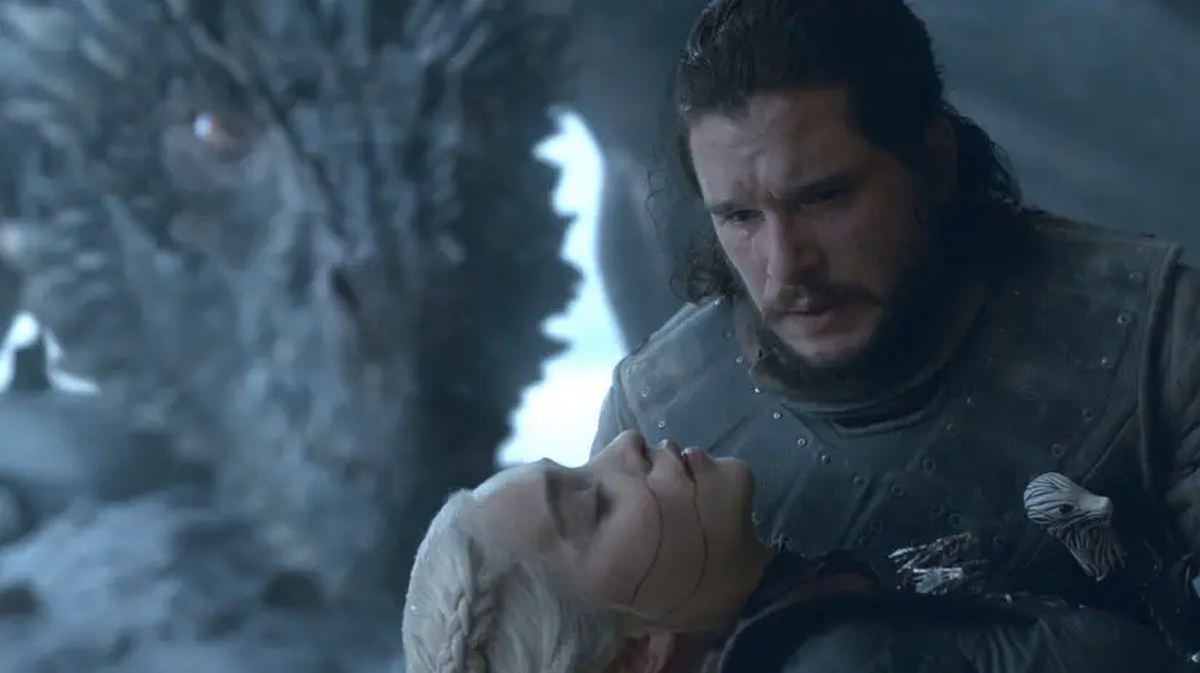
Sanderson used Game of Thrones as an example: “And once you put the map in, you run into some problems. Maybe like some later Game of Thrones seasons, we’re like, ‘Well, how did they get from here to here?’” He added, “And when you’re trying to be very realistic when presenting some of that stuff, it can get you into trouble.” Despite these challenges, he remains a fan.
Lessons Learned: Sanderson’s Adaptation for TV and Film
George R.R. Martin has been open about the difficulties in managing the scope of an Epic Fantasy series like A Song of Ice and Fire. The planned seven-book cycle is ambitious, with only five published so far. Martin has been working on the sixth novel, Winds of Winter, for over 15 years, a process complicated by the HBO adaptation outpacing him in the chronology of events.
Given his deep consideration of Game of Thrones, it’s likely Sanderson is drawing parallels as he adapts his own Epic Fantasy world for television and film. After securing a mega-deal with Apple, he’s currently writing a screenplay for a Mistborn movie and will then develop a pilot for a Stormlight Archive TV series. Martin’s journey, with all its triumphs and tribulations, serves as a valuable case study, making it understandable why Sanderson is so thoughtful about the potential pitfalls of adapting such sprawling narratives.
Have thoughts, questions, or benchmarks on this topic? Join the discussion on our forums.
Join Discussion ➔






















Join the conversation