In today’s gaming landscape, access to incredible titles is unprecedented. From the vast libraries of Steam to services like Nintendo Switch Online breathing new life into classic games, there’s more choice than ever before. But what about those gems that remain elusive for Western audiences? A surprising number of influential and acclaimed games never received English localizations due to a complex web of factors, from translation hurdles to censorship concerns. Let’s dive into five such titles that remain unavailable to US gamers, though dedicated fan communities have often stepped in to bridge the gap.
Digital Devil Story: Megami Tensei
The Megami Tensei franchise, the progenitor of iconic series like Shin Megami Tensei, Devil Summoner, and Persona, is a cornerstone of JRPG history. However, its very first installment, Digital Devil Story: Megami Tensei, never officially made it to Western shores. This Famicom dungeon crawler follows high school student Akemi Nakajima as he attempts to summon demons using a computer program – a plan that inevitably goes awry. He and his girlfriend must then team up to thwart the forces of Lucifer.
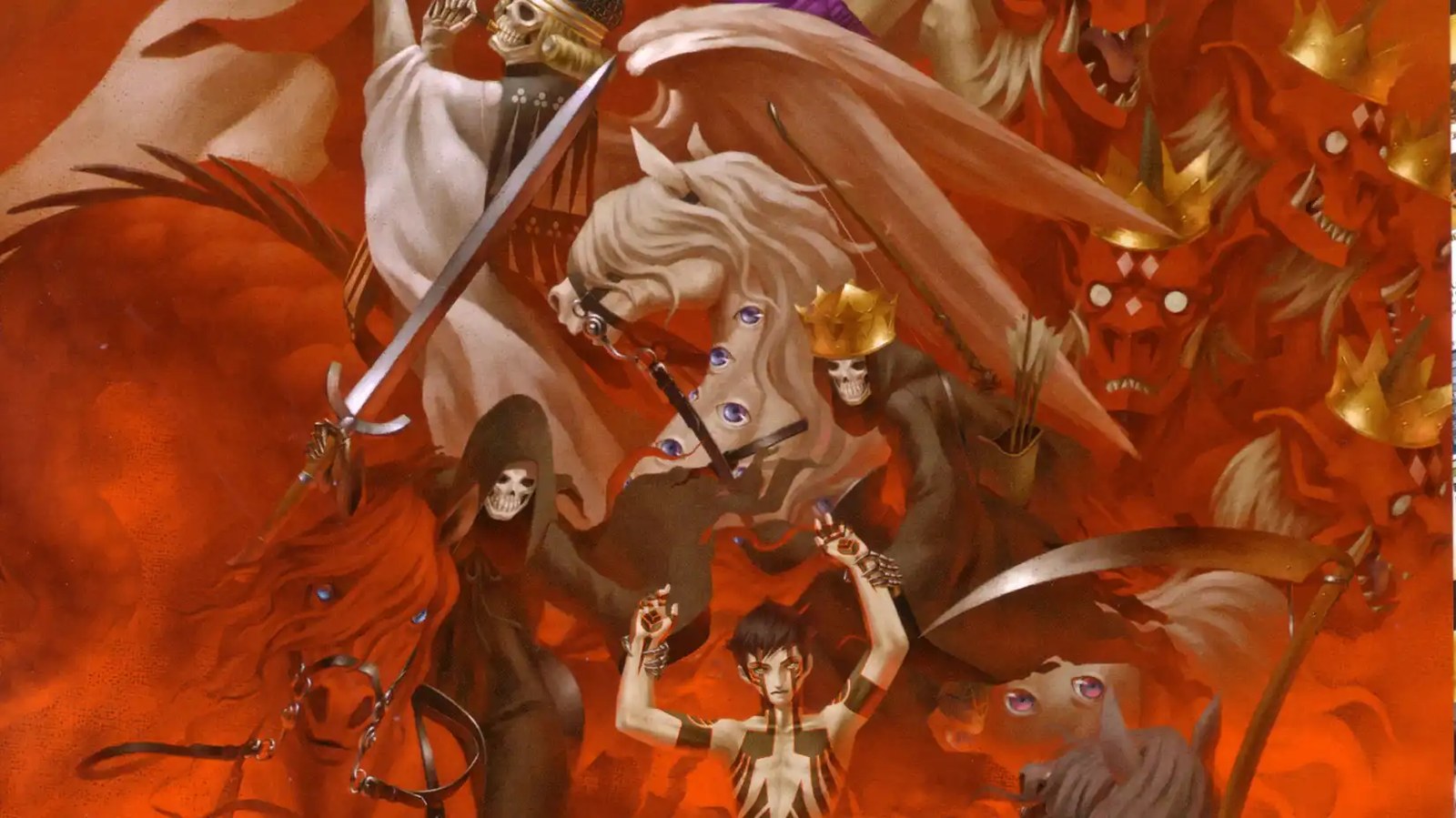
Unfortunately, Digital Devil Story: Megami Tensei faced an uphill battle for localization. Nintendo of America maintained a strict (though not always consistently enforced) policy of censoring religious references in games, particularly those related to Satan. A game centered around battling the Biblical devil simply had no chance.

Policenauts
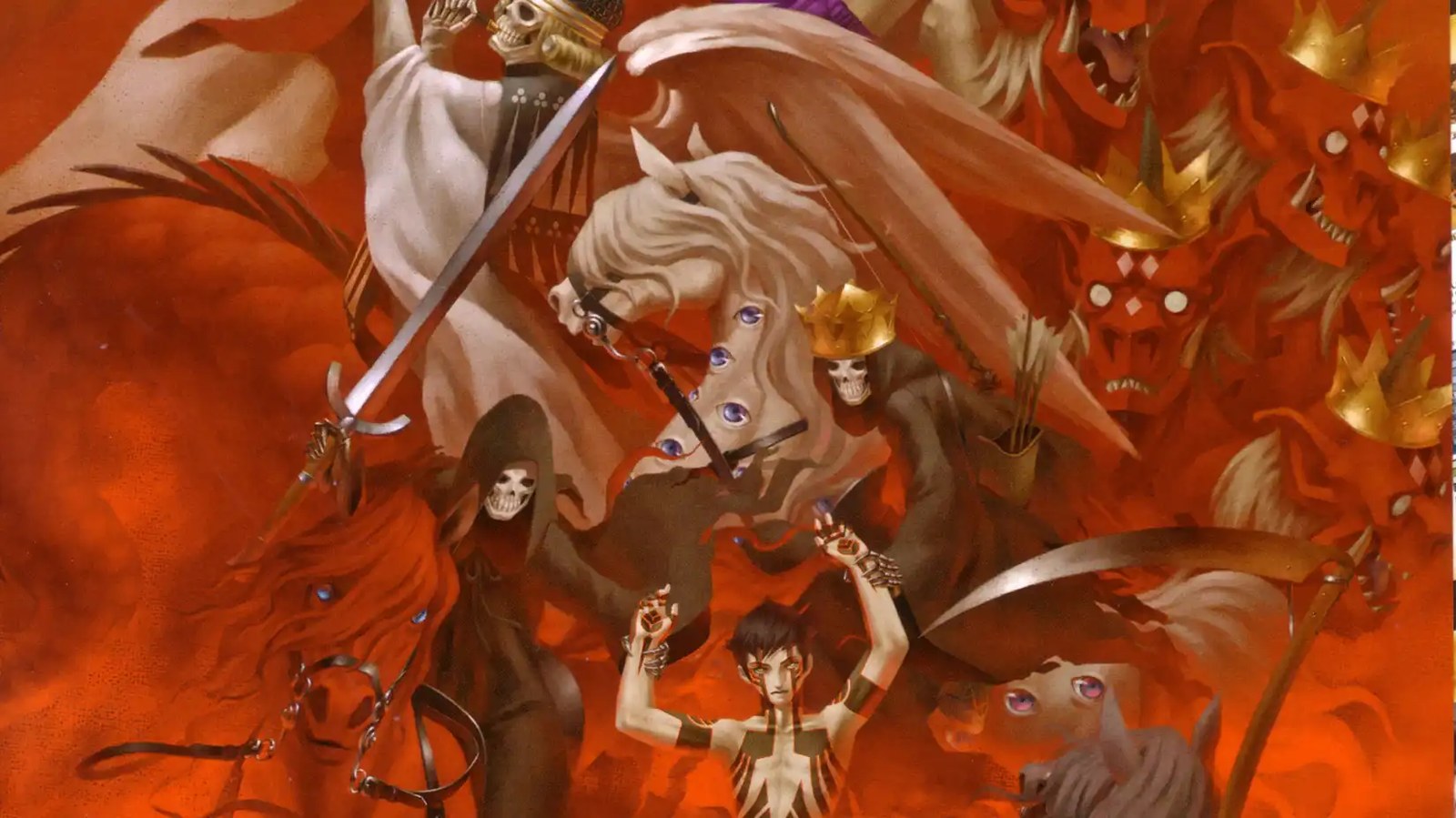
Set in a futuristic mid-21st century, Policenauts follows Jonathan Ingram, an LAPD “policenaut” tasked with protecting humanity’s first space colony. A malfunction sends Ingram into cryosleep for 25 years. He awakens to find himself working as a private eye, investigating the murder of his ex-wife’s husband. With its blend of hard sci-fi, social commentary, and heavy inspiration from film and television, Policenauts is unmistakably the work of legendary game designer Hideo Kojima. It’s an early Kojima title, so expect character names like “Jonathan Ingram” instead of the more eccentric monikers he would later become known for.
A localization for Policenauts was planned but ultimately scrapped. Undeterred, a dedicated group of fans embarked on a seven-year effort to create their own English translation, ensuring that Kojima’s vision could be experienced by a wider audience.
Fire Emblem: Thracia 776
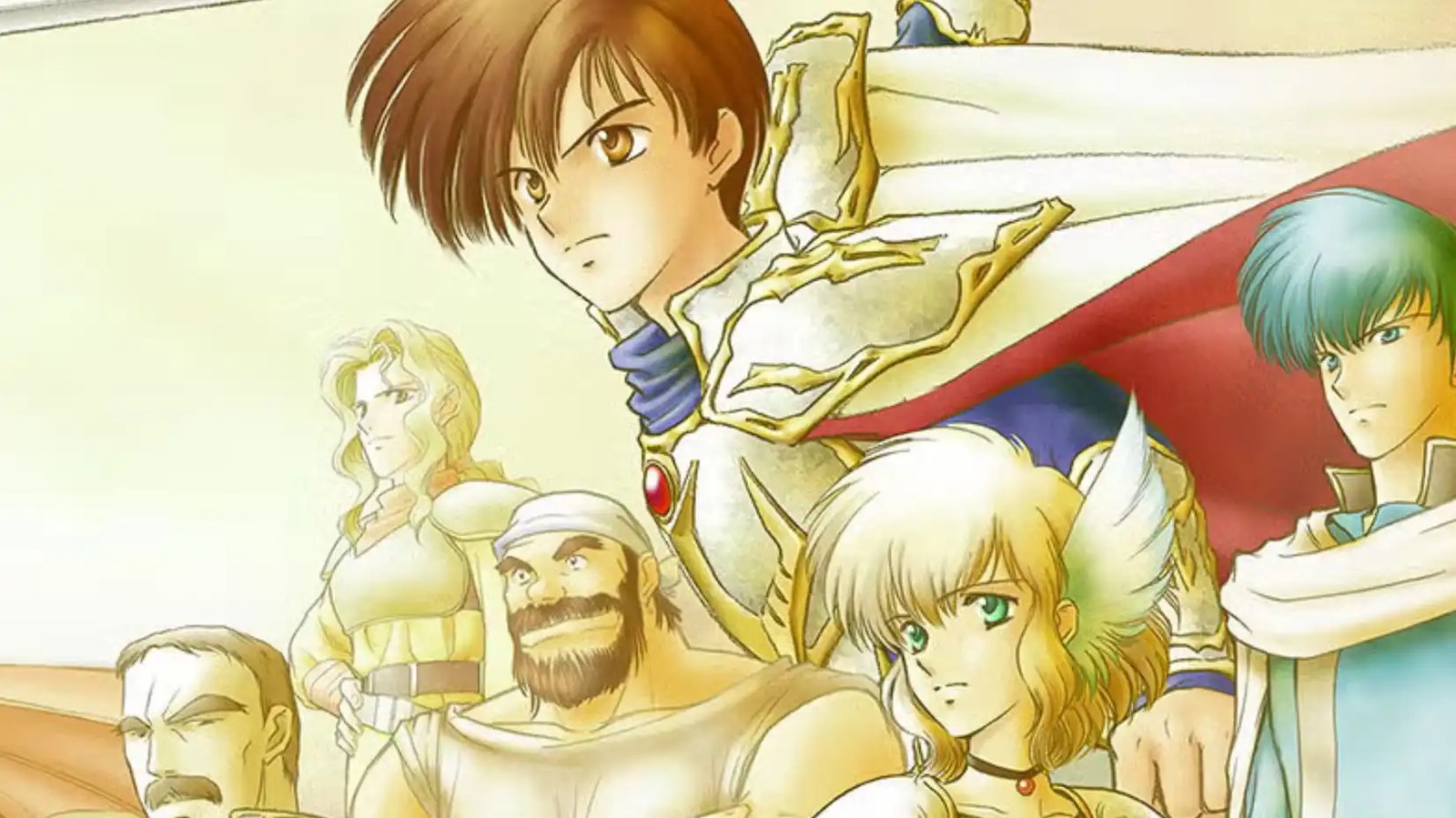
Thracia 776 is one of four Fire Emblem games that never received a Western release. Set within the same timeline as Genealogy of the Holy War, it follows Prince Leif as he fights to liberate his homeland from an evil empire. Leif stands out among Fire Emblem protagonists for several reasons: he doesn’t have the signature blue hair, and the story forces him to confront his own inexperience and mistakes, making his growth throughout the game all the more rewarding.
While re-released for the Wii and Wii U’s virtual consoles in Japan, Thracia 776 remains unavailable in English.
Sweet Home
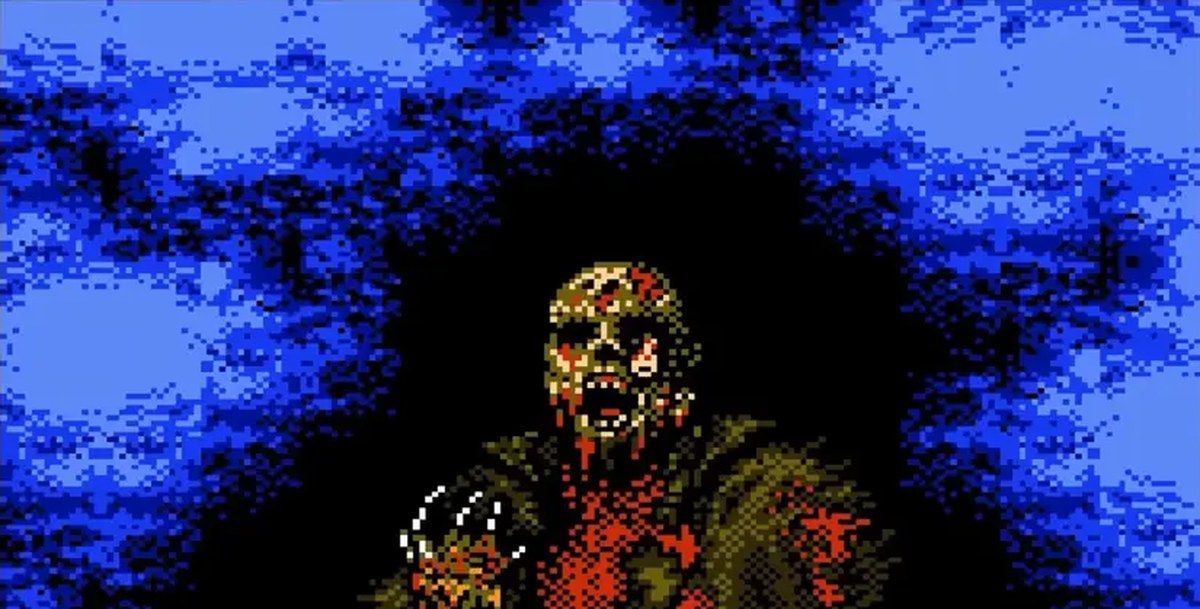
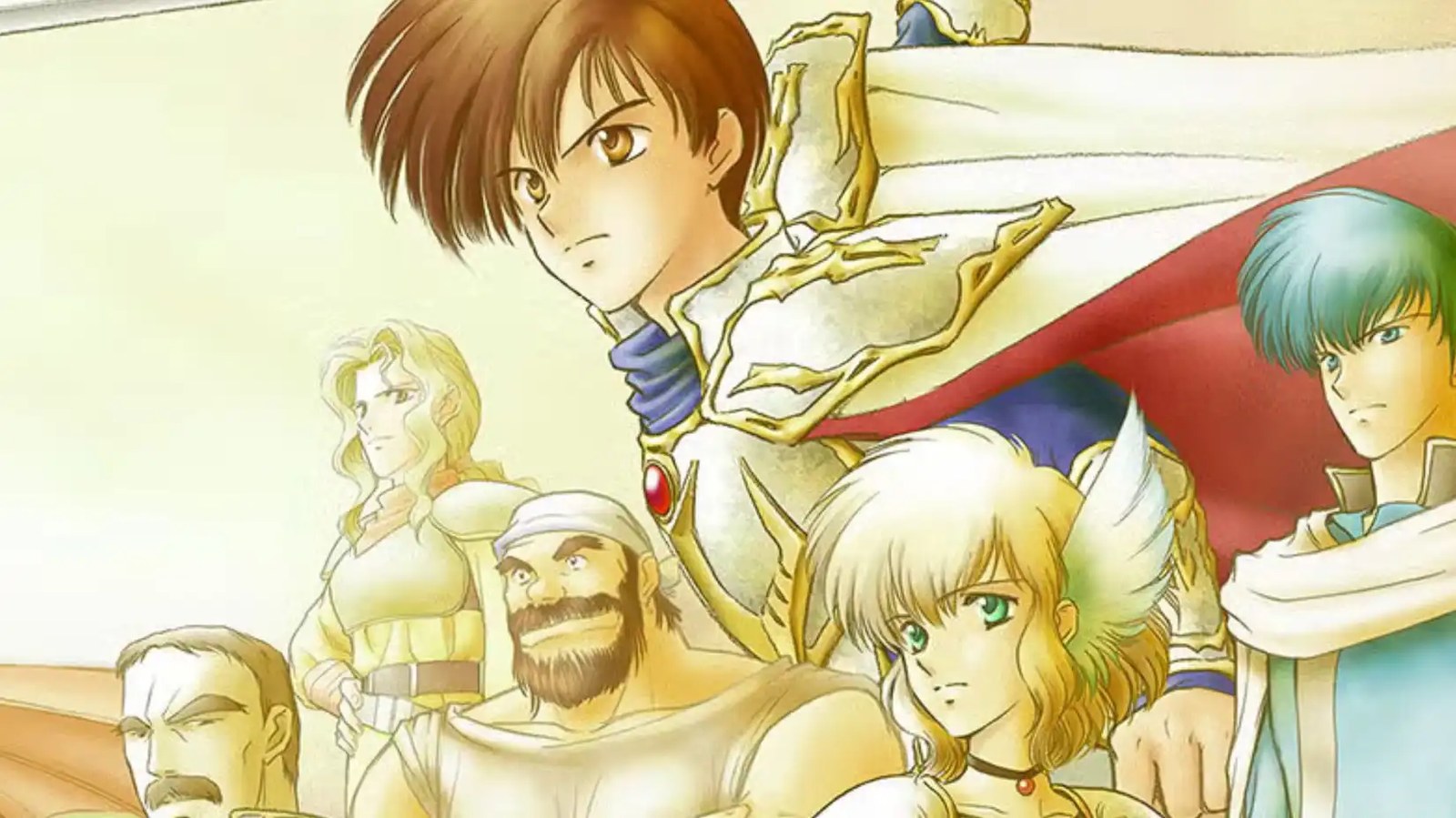
Before there was Resident Evil, there was Sweet Home – a highly influential game that laid the groundwork for the survival horror genre. Released alongside a Japanese film of the same name, Capcom’s Sweet Home introduced many of the staples that would become synonymous with Resident Evil: inventory management, puzzle-solving, and quick-time events. These quick-time events are crucial; failing them can result in a character’s permanent death, impacting the game’s ending.
Sweet Home is another title unlikely to receive an English release due to its origins as a tie-in game for a Japanese horror film – and a particularly gory one at that.
Mother 3
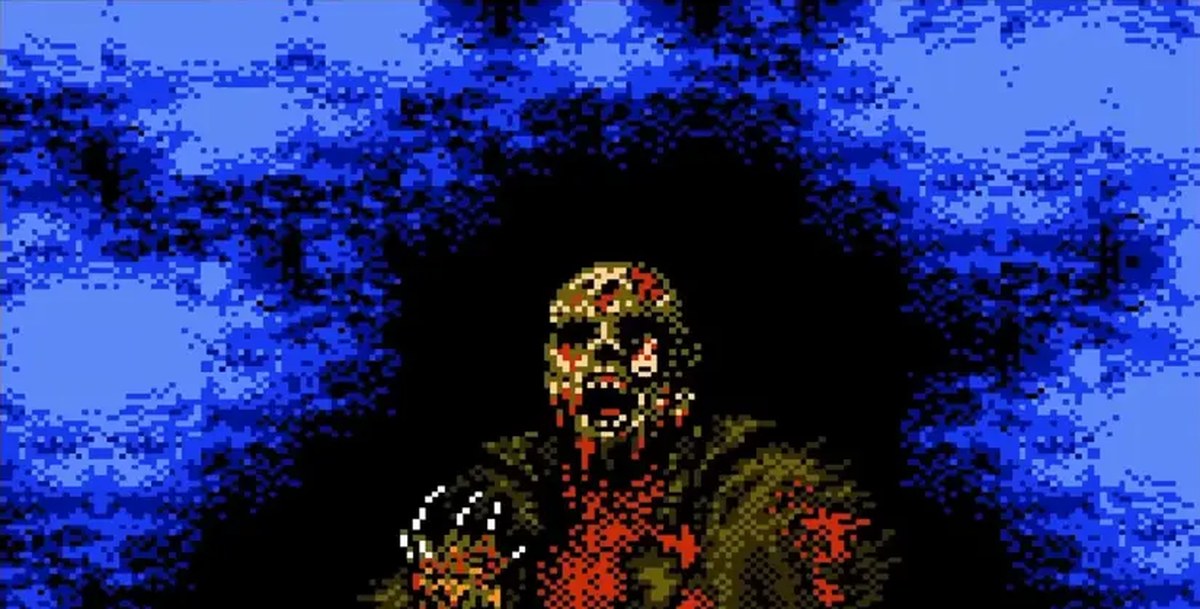
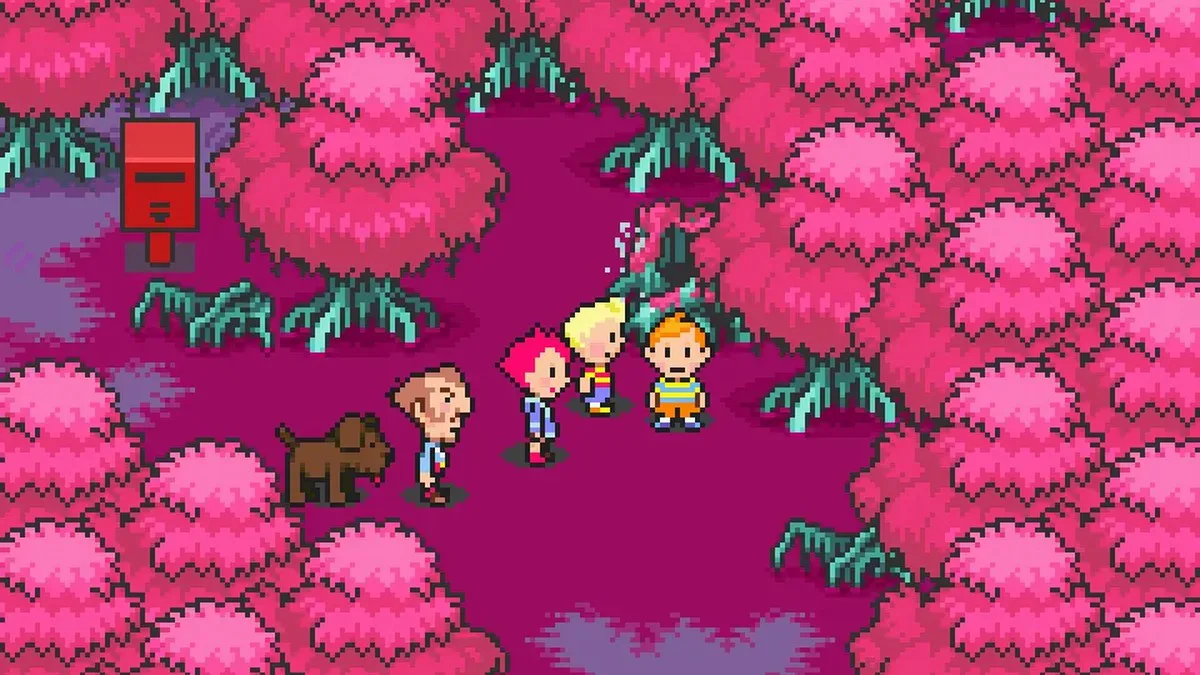
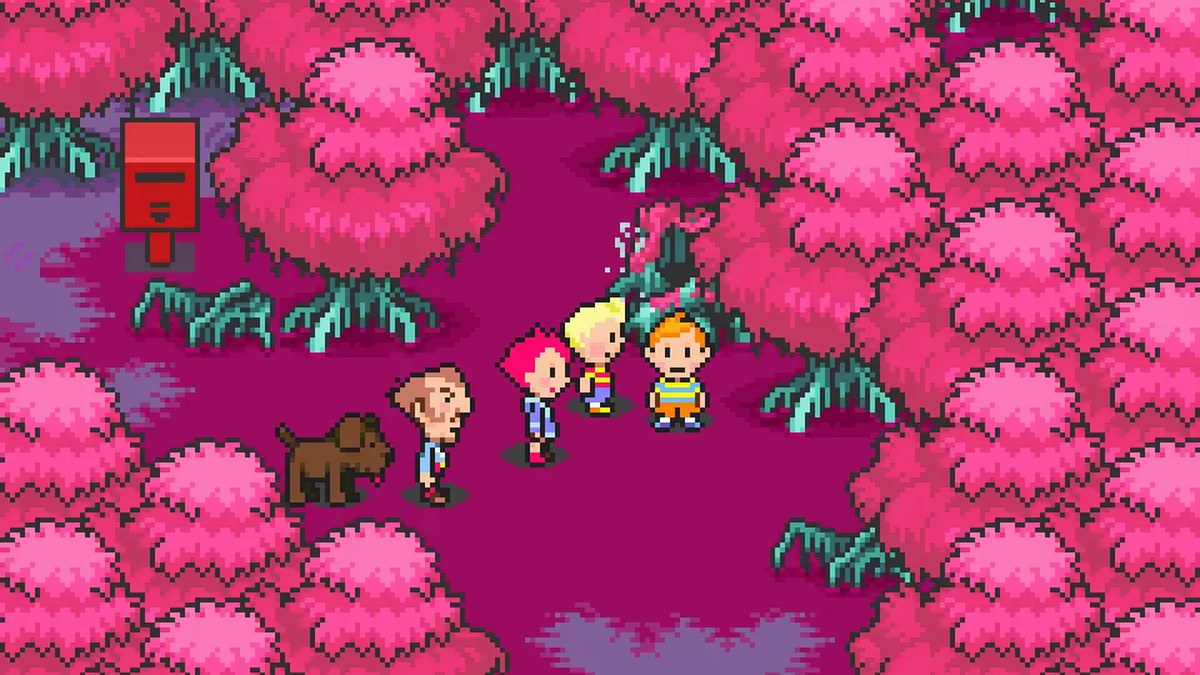
No discussion of unavailable games is complete without Mother 3. Released in 2006, it follows the story of Lucas as he navigates themes of industrialization, environmentalism, family, and grief. While retaining the bright aesthetic and offbeat humor of its predecessors, EarthBound Beginnings and Earthbound, Mother 3 tackles more mature subject matter. It’s considered one of the best RPGs ever made.
The development history of Mother 3 is almost as remarkable as the game itself. Starting in 1994, it was canceled in 2000 before being revived in 2003. After a twelve-year period and four different consoles, Mother 3 finally reached the Game Boy Advance in 2003. When asked why Mother 3 never received an English release, former Nintendo of America president Reggie Fils-Aime stated that it “didn’t make business sense.” As an older Game Boy Advance title, Nintendo was hesitant to invest resources into a platform they were transitioning away from. However, with the addition of classic games to the Nintendo Switch Online service, many fans remain hopeful for an official English release.
Have thoughts, questions, or benchmarks on this topic? Join the discussion on our forums.
Join Discussion ➔






















1 comment