

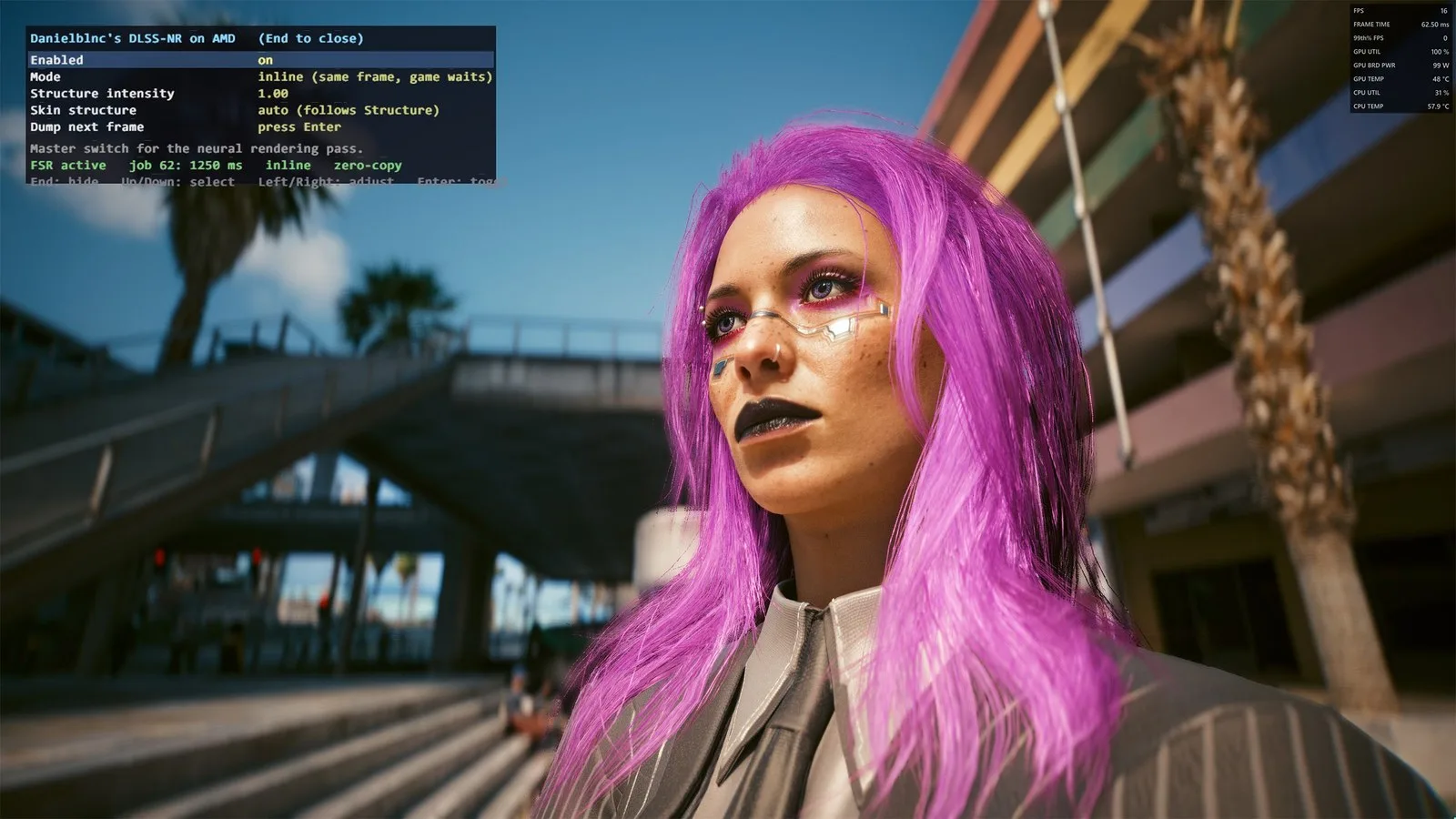
The gaming world is abuzz with a new development that’s both fascinating and slightly concerning: AMD GPU owners can now technically run Nvidia’s DLSS 5 technology. A clever homebrew app has emerged, allowing Radeon cards to leverage the power of DLSS Neural Rendering. But before you rush to enable it, there’s a crucial caveat: your poor AMD silicon might not thank you for it.
The Rise of DIY DLSS on AMD
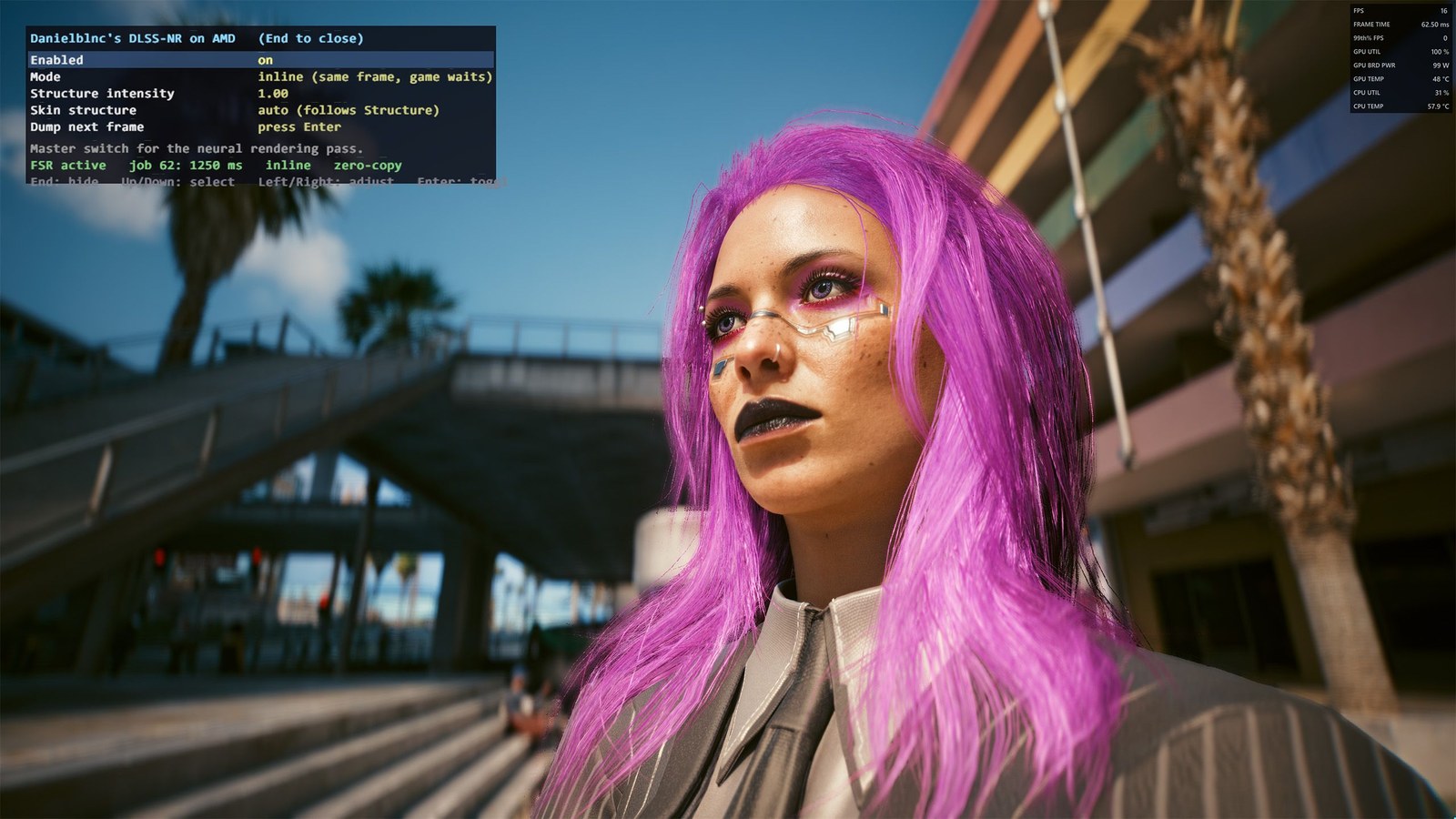
For years, Nvidia’s DLSS (Deep Learning Super Sampling) has been a game-changer for PC gaming, offering stunning visuals and boosted frame rates. While AMD has its own FidelityFX Super Resolution (FSR), the allure of DLSS remains strong. Now, thanks to the ingenuity of modders, that power is theoretically within reach of Radeon owners. The process involves extracting .dll files from early access versions of games and integrating them into a custom application. I’ve experimented with it firsthand, and while it works, the experience isn’t exactly seamless.
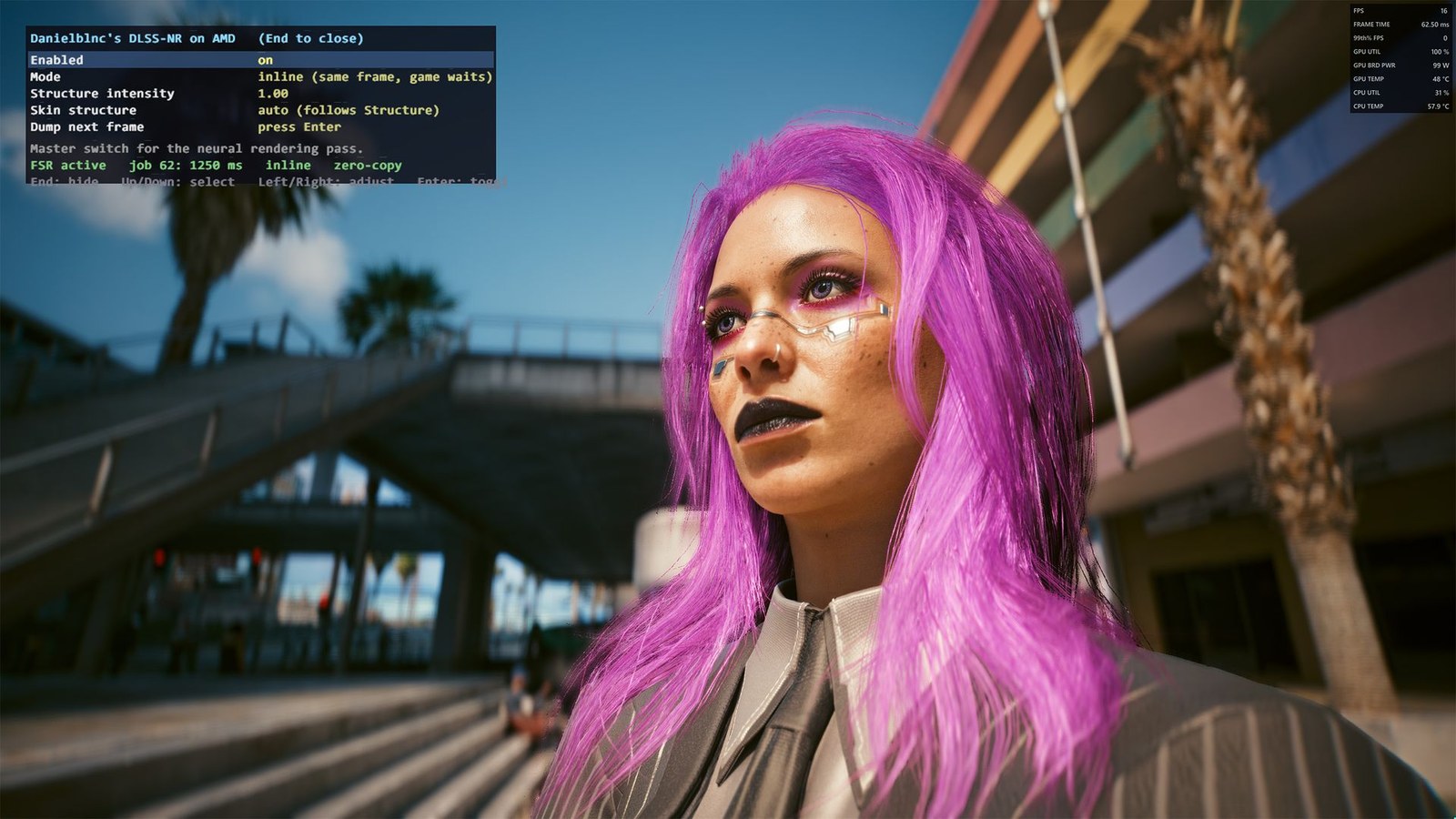
A Painful Performance Hit
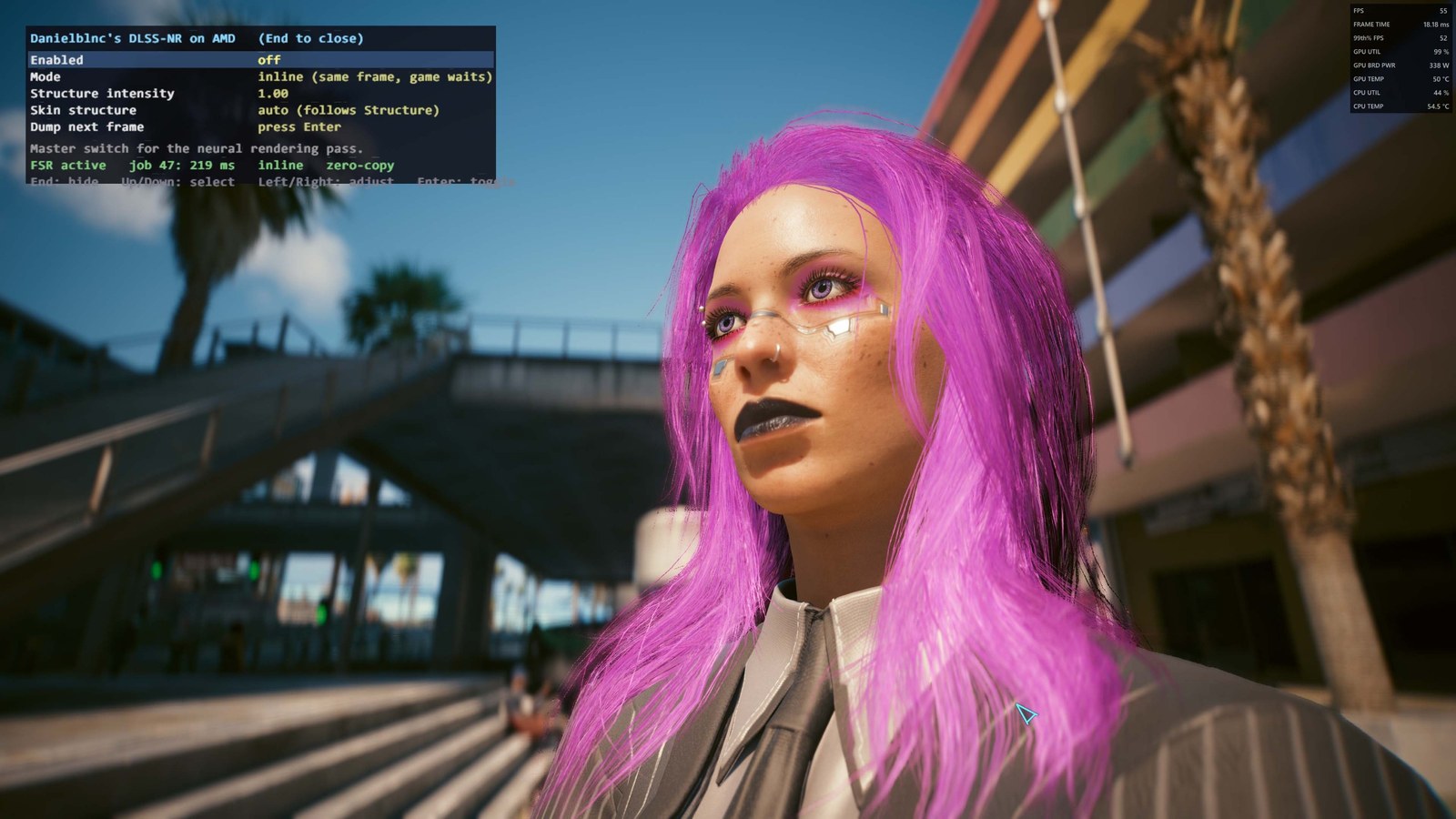
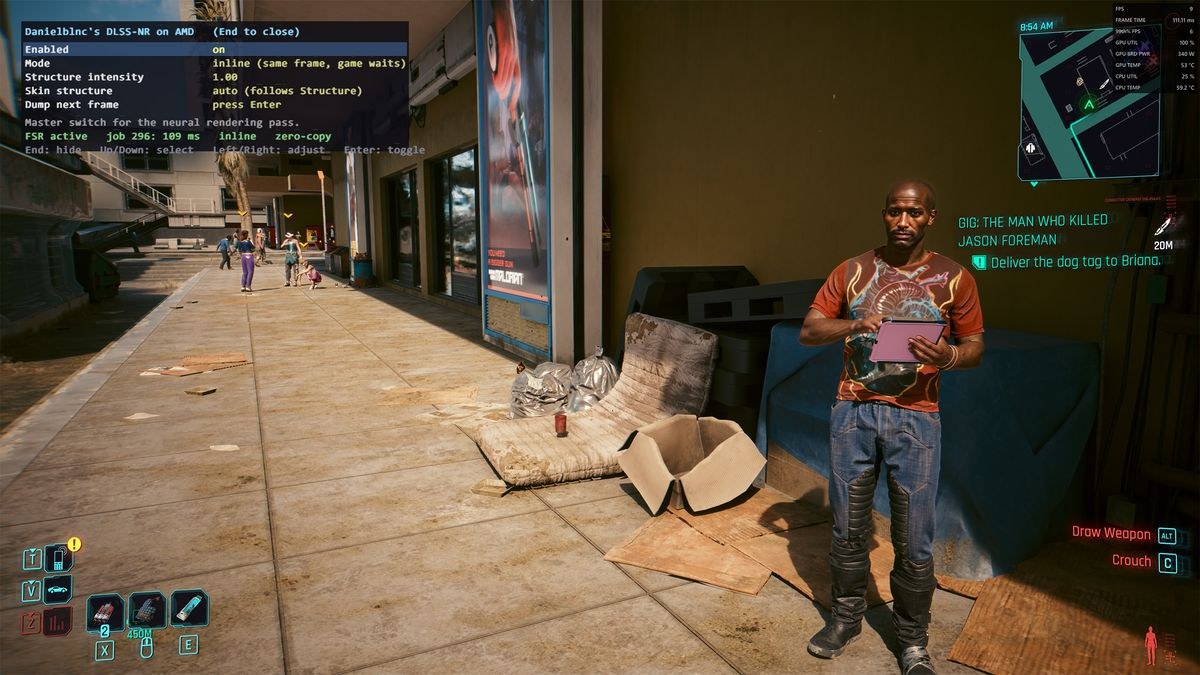
I spent a considerable amount of time trying to get this new app working with my RX 9070 XT in Cyberpunk 2077. The installation process seemed straightforward: download the DLSS-NR-on-AMD file, drop it into the relevant folder (the bin/x64 folder in the Cyberpunk 2077 directory), and run it. However, I encountered several roadblocks, including a Defender flag that initially identified the application as containing a virus (a likely false positive). After troubleshooting driver issues and verifying game integrity, I finally managed to get it running… sort of.

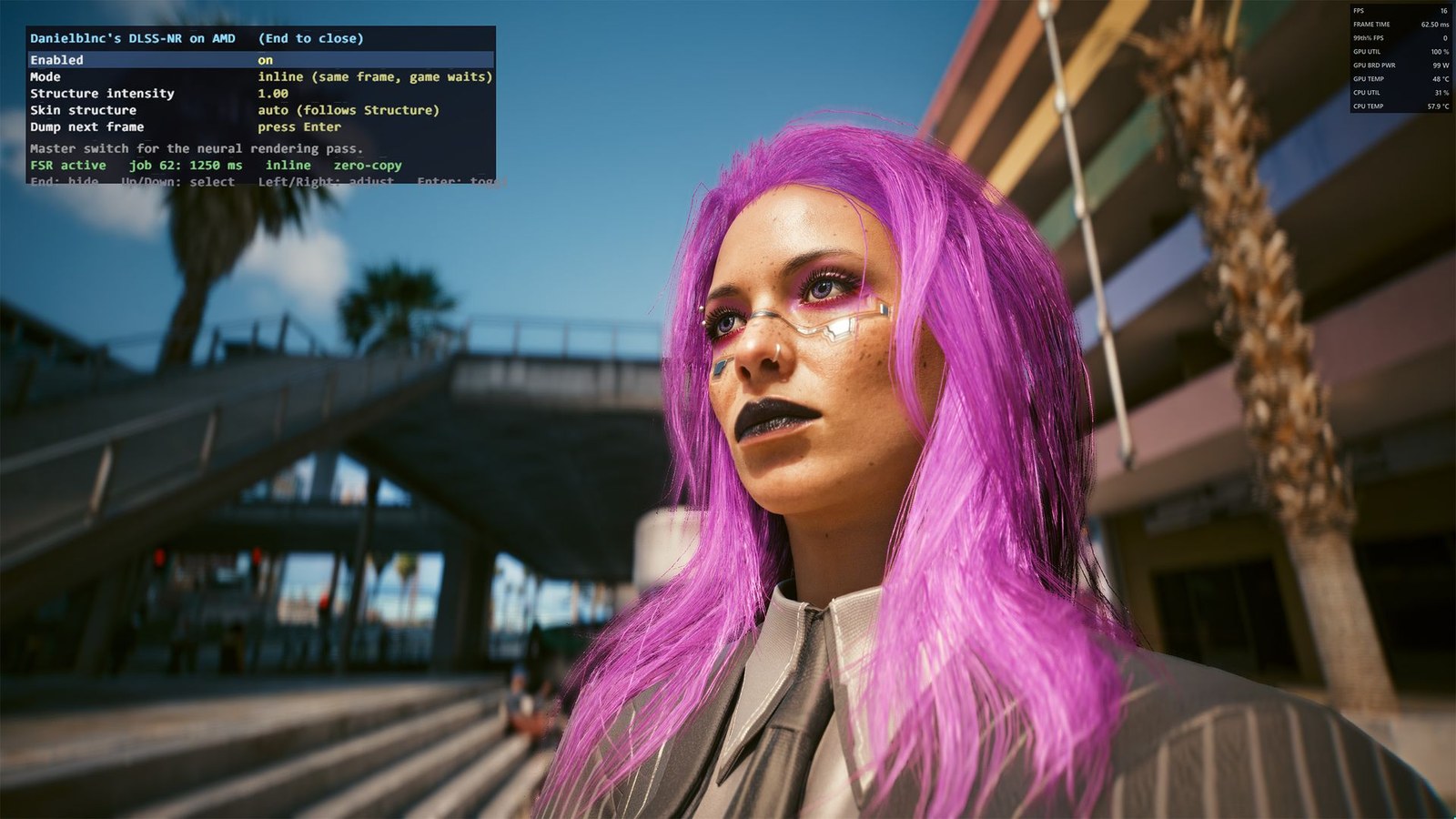
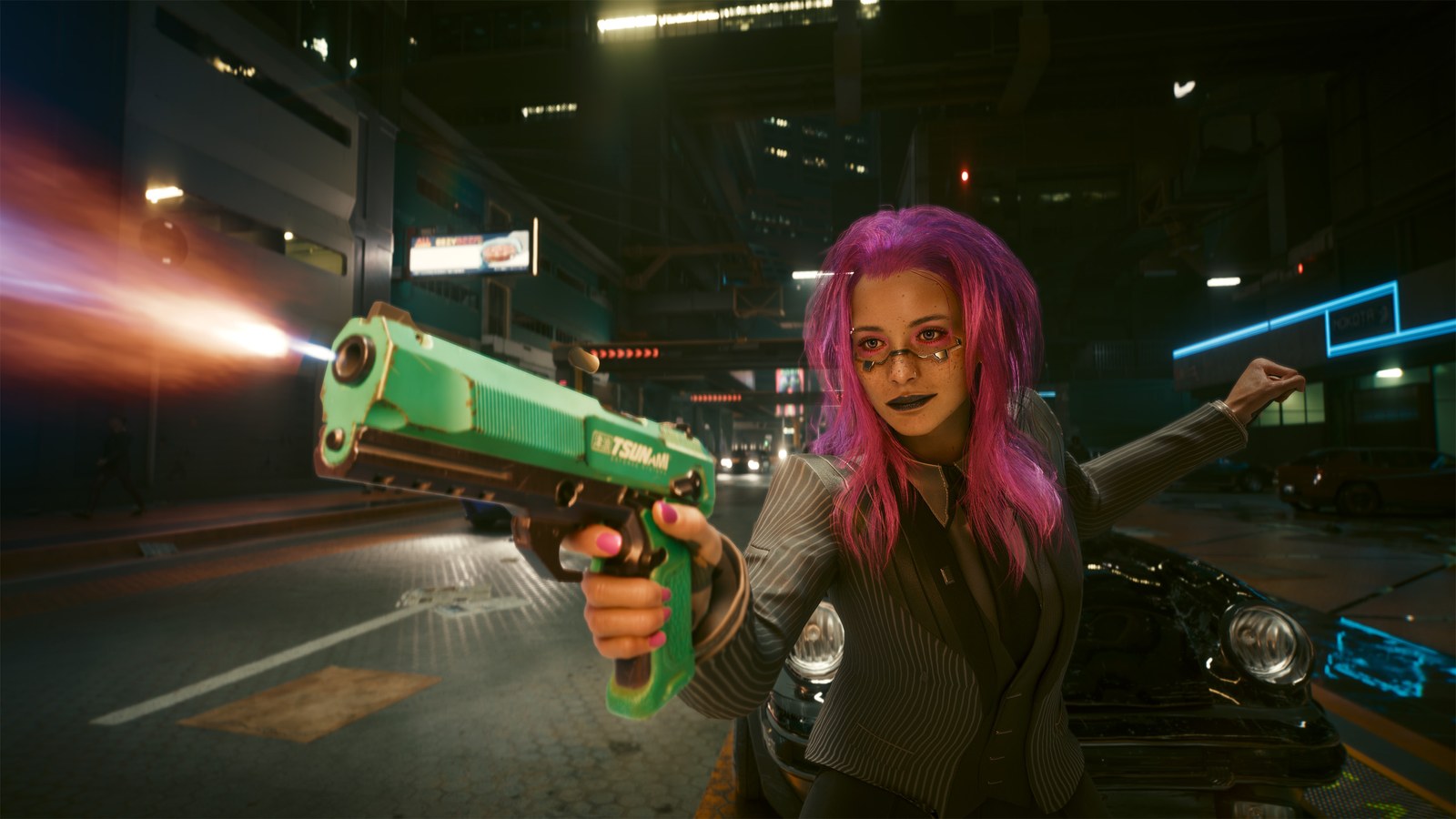
The result? A significant drop in frame rates. Running at 4K with ray tracing and FSR 4 set to Balanced, I was already pushing the limits of my RX 9070 XT, hovering around 61 fps. Enabling DLSS Neural Rendering plummeted that figure to a mere 9 fps. That’s an 85% performance hit! While impressive from a technical standpoint, it renders the feature practically unplayable.
The Hardware Hurdle

The core issue lies in the fundamental differences between Nvidia and AMD GPU architectures. DLSS 5 relies heavily on dedicated hardware, specifically Tensor Cores, for accelerating AI-powered tasks. While Turing architecture (found in older Nvidia cards) does have Tensor Cores, they are significantly weaker than those found in newer RTX 40- and 50-series GPUs. AMD’s RDNA 4 architecture lacks this level of dedicated hardware, forcing the system to rely on general-purpose compute units, which are simply not optimized for these types of calculations.
A Glimmer of Hope?
While the current implementation is far from ideal, there’s a glimmer of hope. YouTuber [YouTuber Name] has noted the app in a recent video and reported that performance has improved by 12% since its initial release. This suggests that further optimization could potentially squeeze more performance out of the feature on AMD GPUs. However, it remains to be seen whether these optimizations can overcome the inherent hardware limitations.
Ultimately, while the ability to run DLSS 5 on AMD GPUs is a testament to the ingenuity of the modding community, it’s important to temper expectations. The current implementation comes with a significant performance penalty, making it largely impractical for most gamers. Perhaps future hardware revisions from AMD will bridge this gap, but for now, proceed with caution and be prepared to listen to your GPU cry.
Have thoughts, questions, or benchmarks on this topic? Join the discussion on our forums.
Join Discussion ➔






















1 comment