Introduction: The Next Chapter for Adventures of Pip
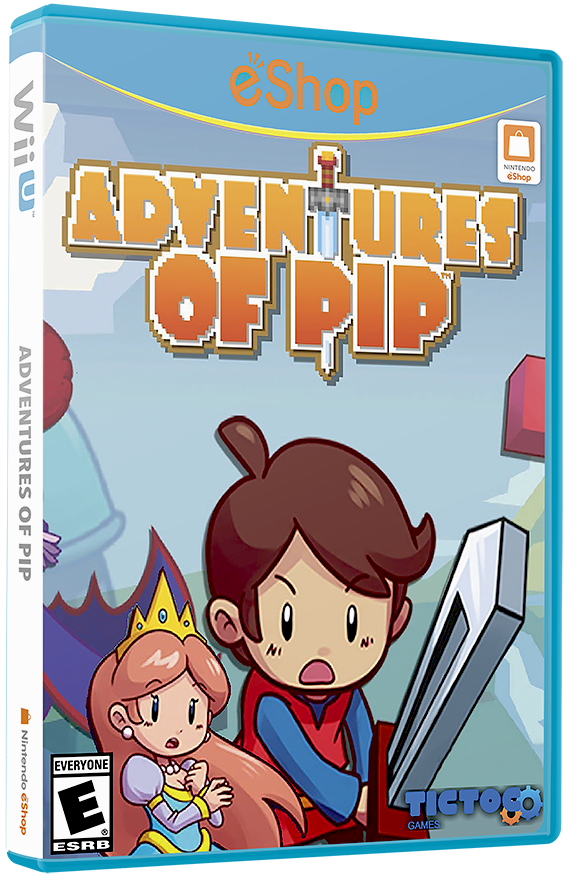
“Adventures of Pip,” developed and published by Tic Toc Games, represents a fascinating blend of retro aesthetics and modern gameplay. Released initially in 2015 across multiple platforms including Windows, OS X, Wii U, iOS, Xbox One, PlayStation 4, and later Nintendo Switch, the game quickly garnered attention for its unique pixel art style and engaging platforming mechanics. This deep-dive review will explore the game’s visual direction, gameplay systems, narrative elements, and overall impact on the indie gaming landscape.
Visual Direction and Graphics Engineering

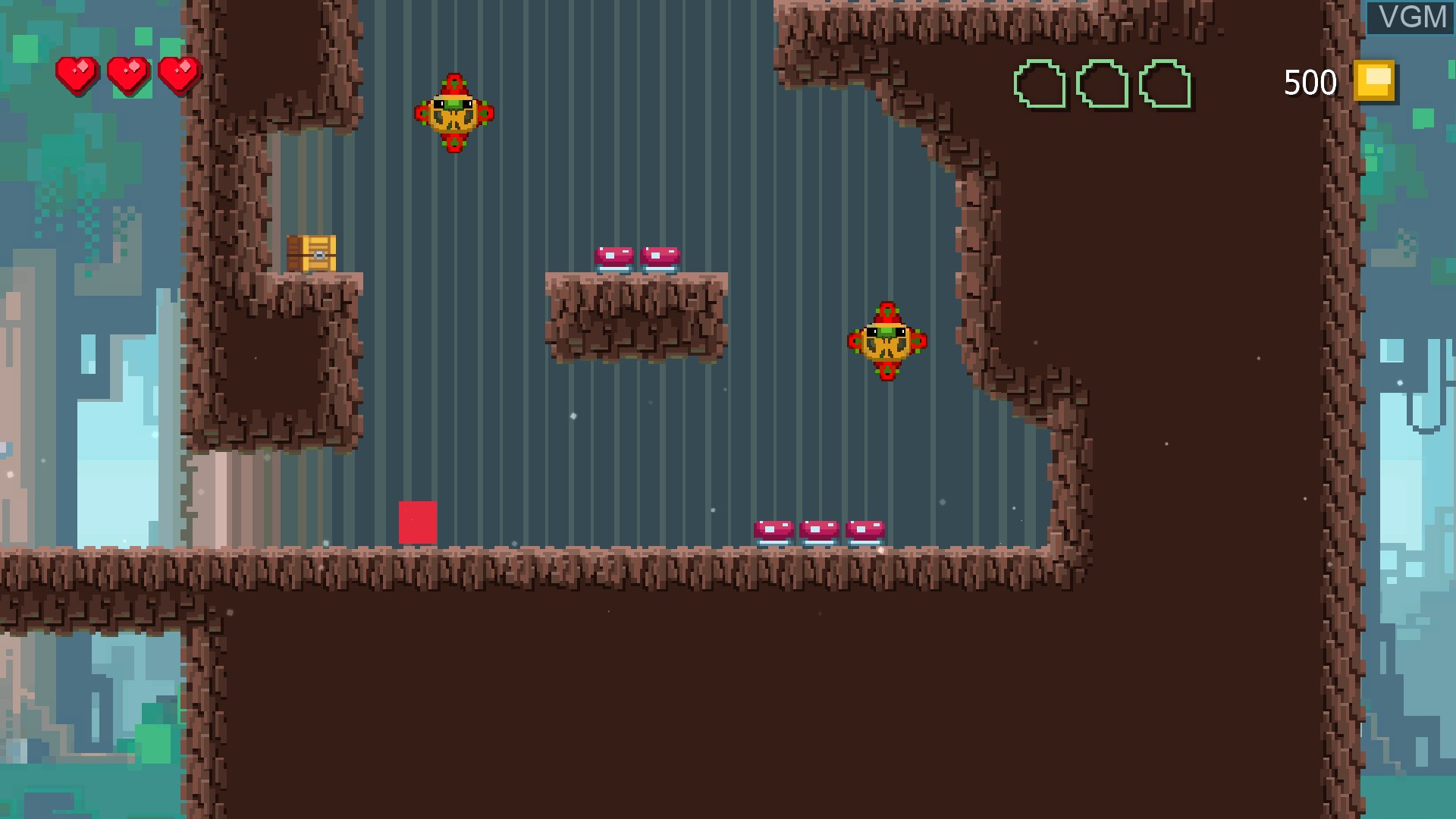
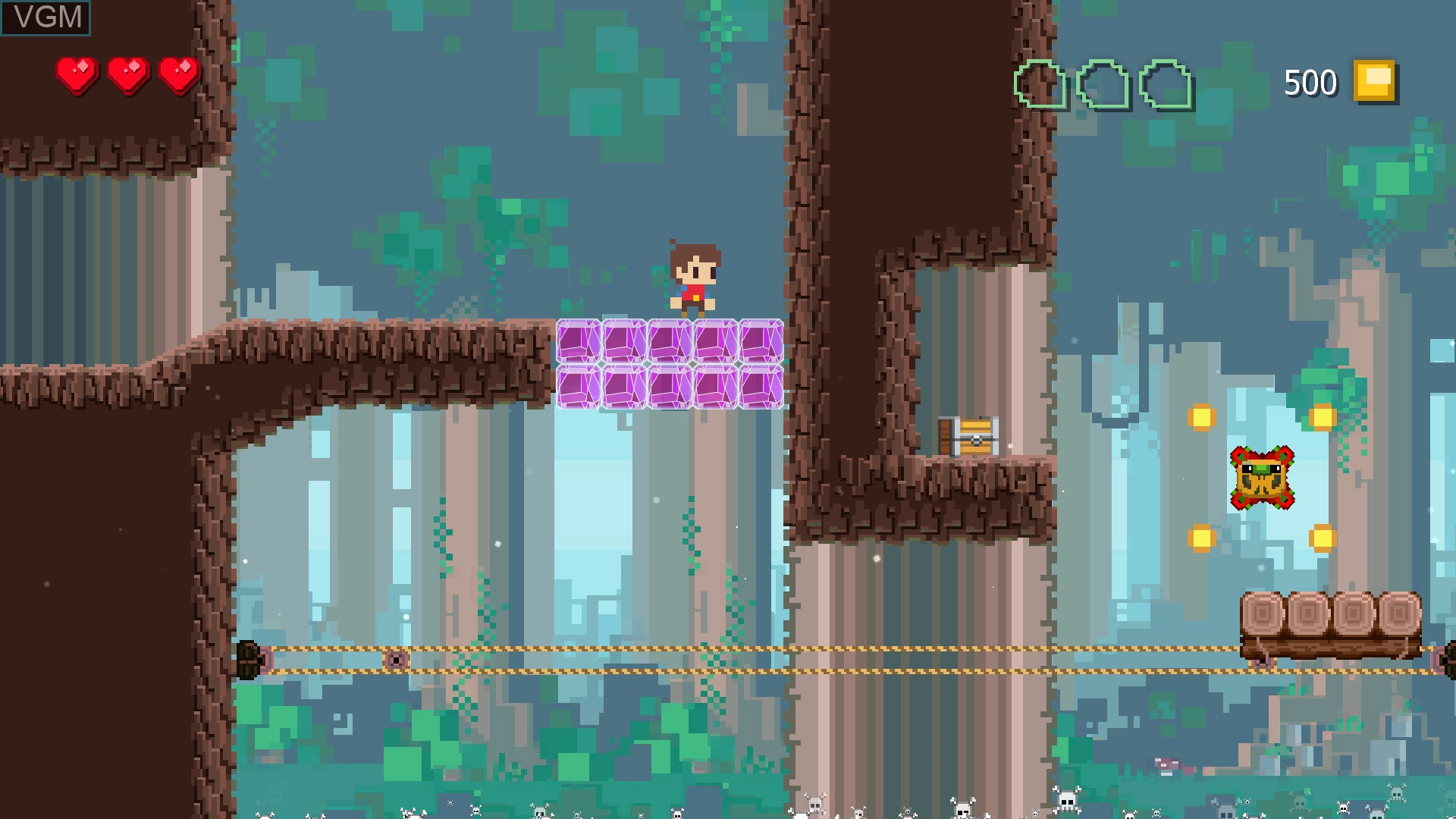
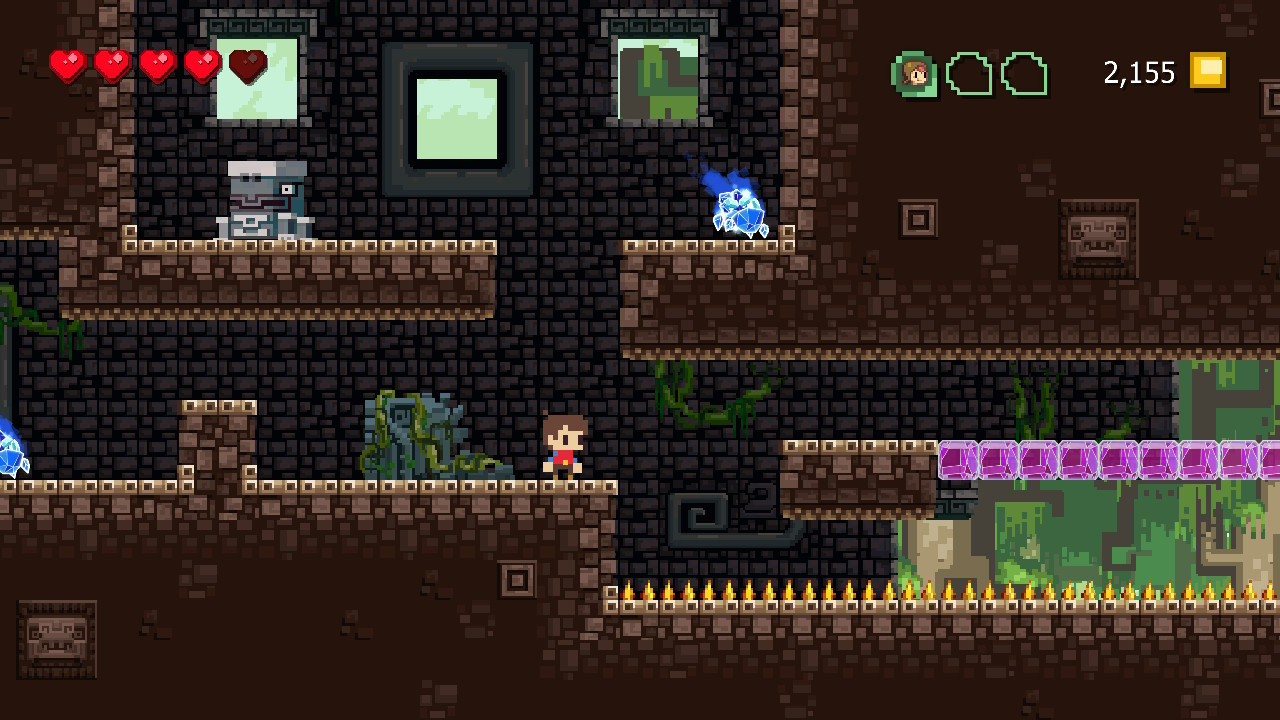
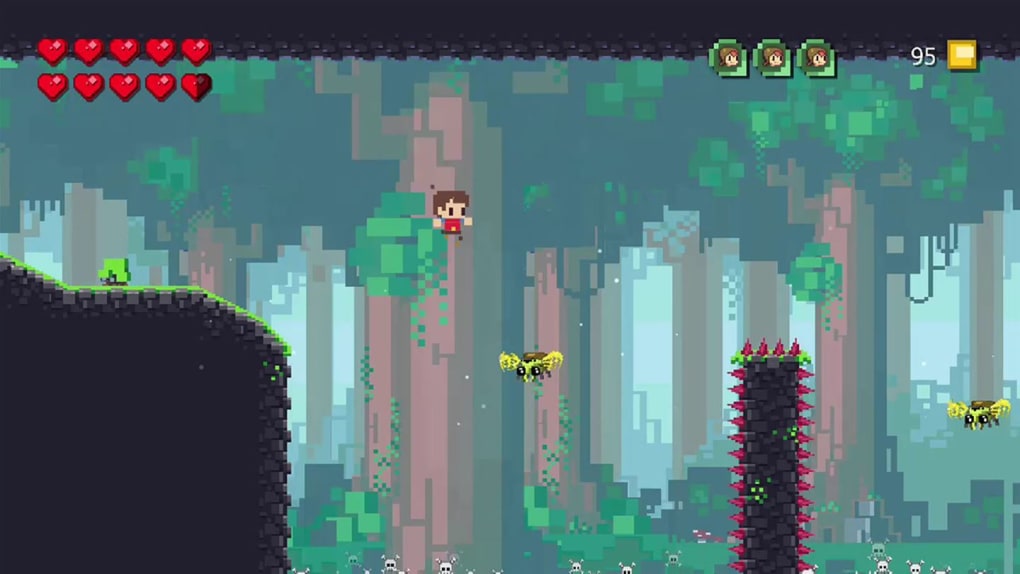
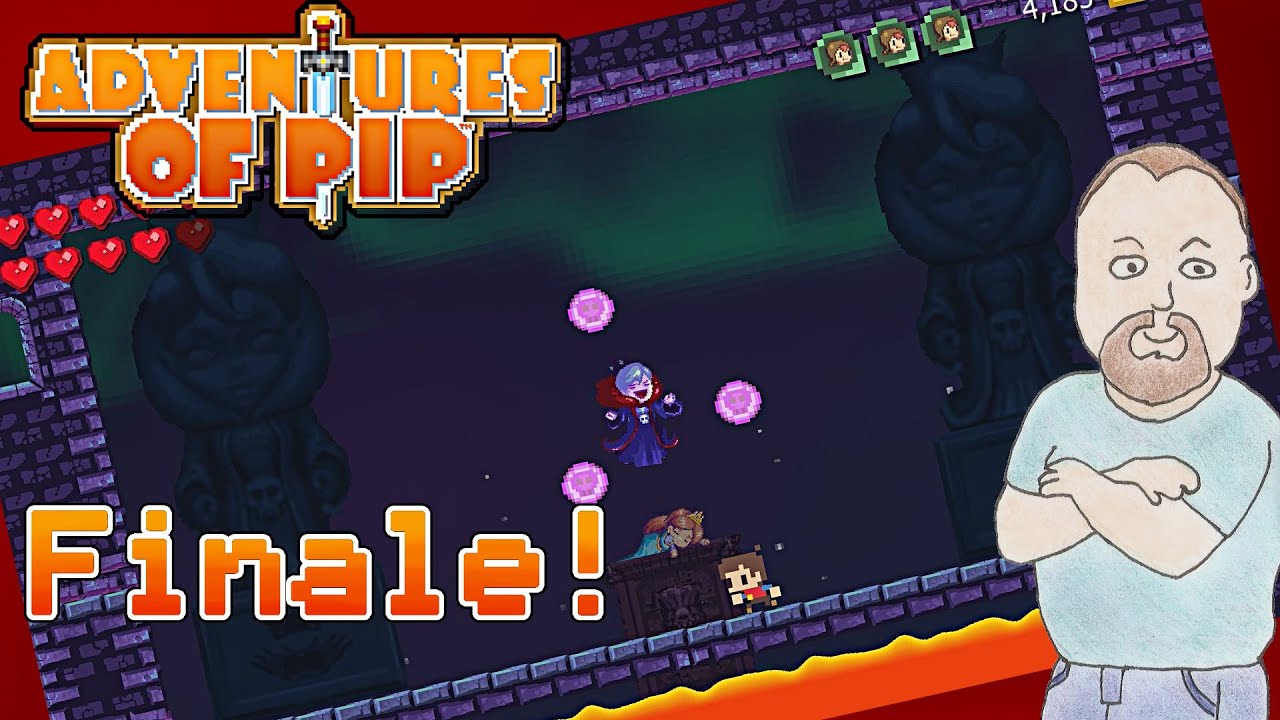
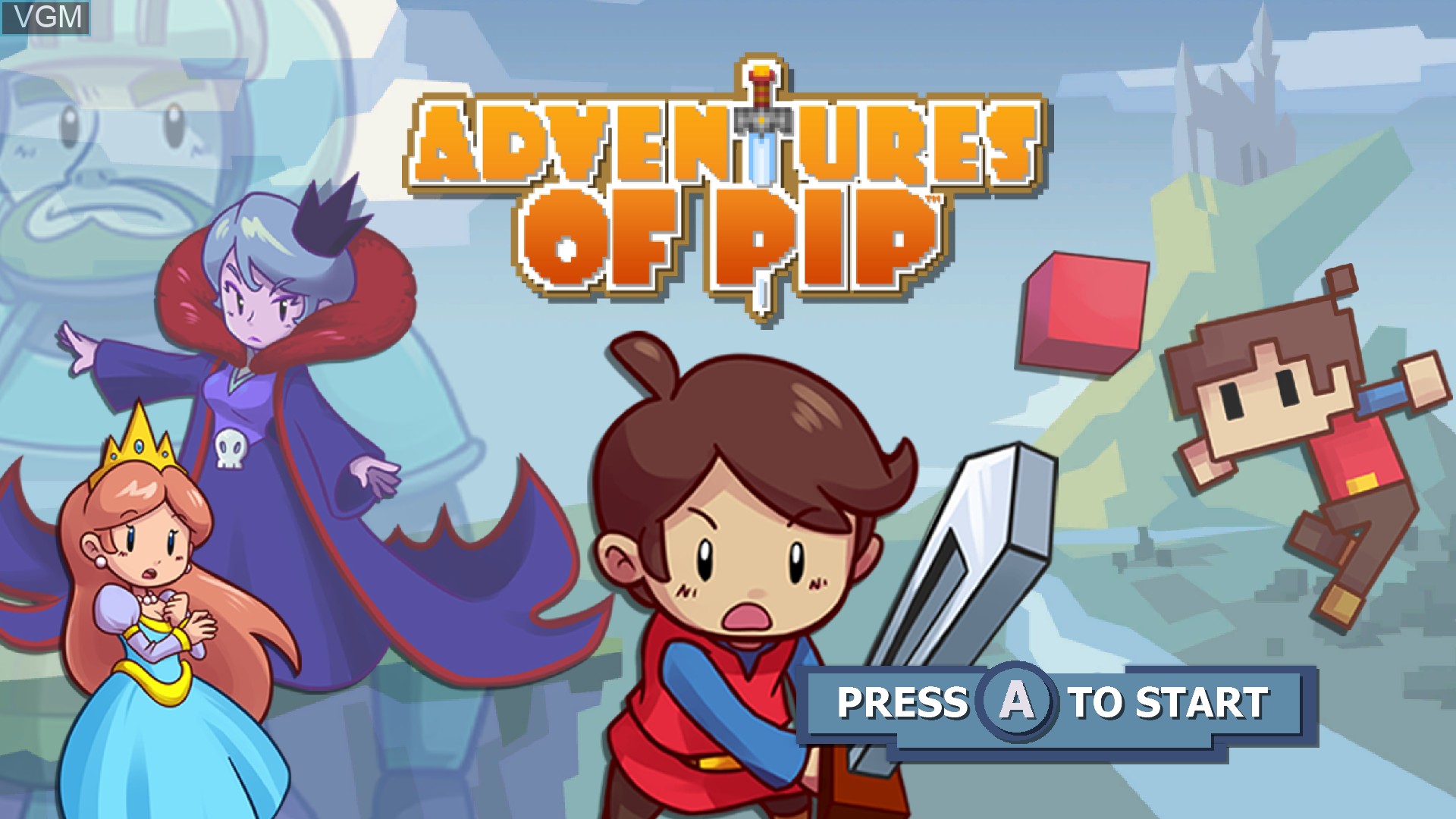
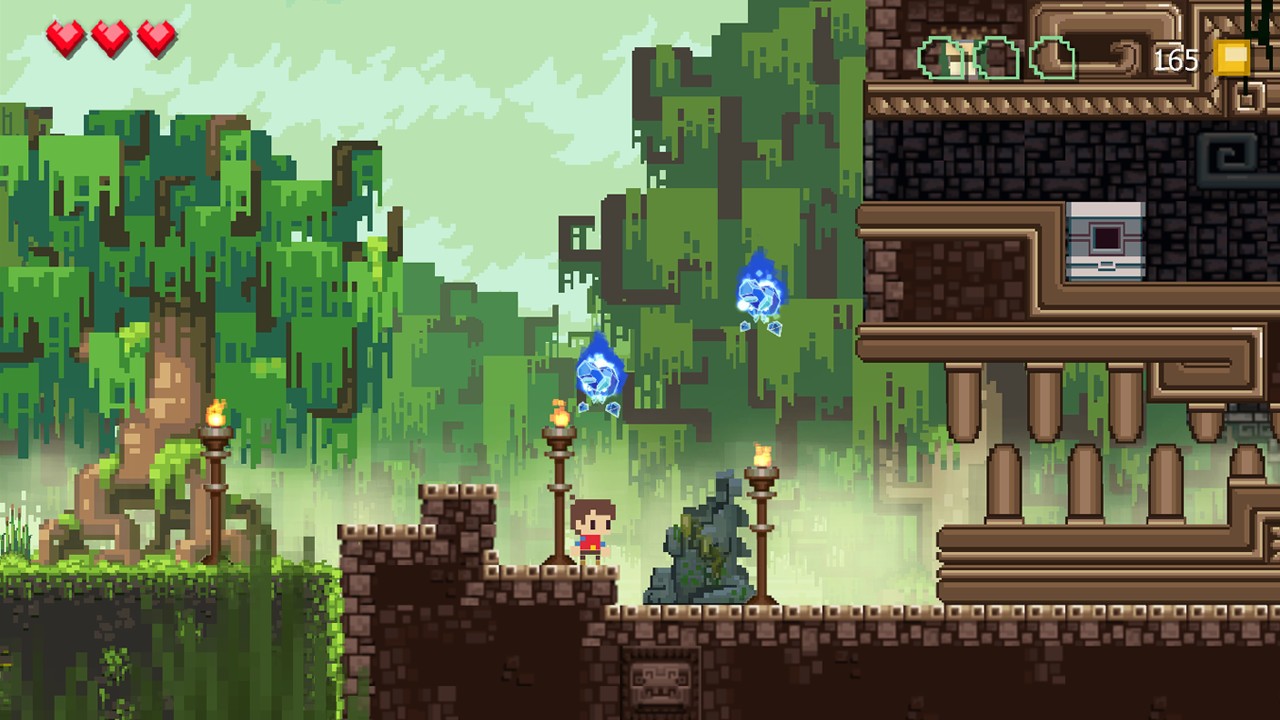
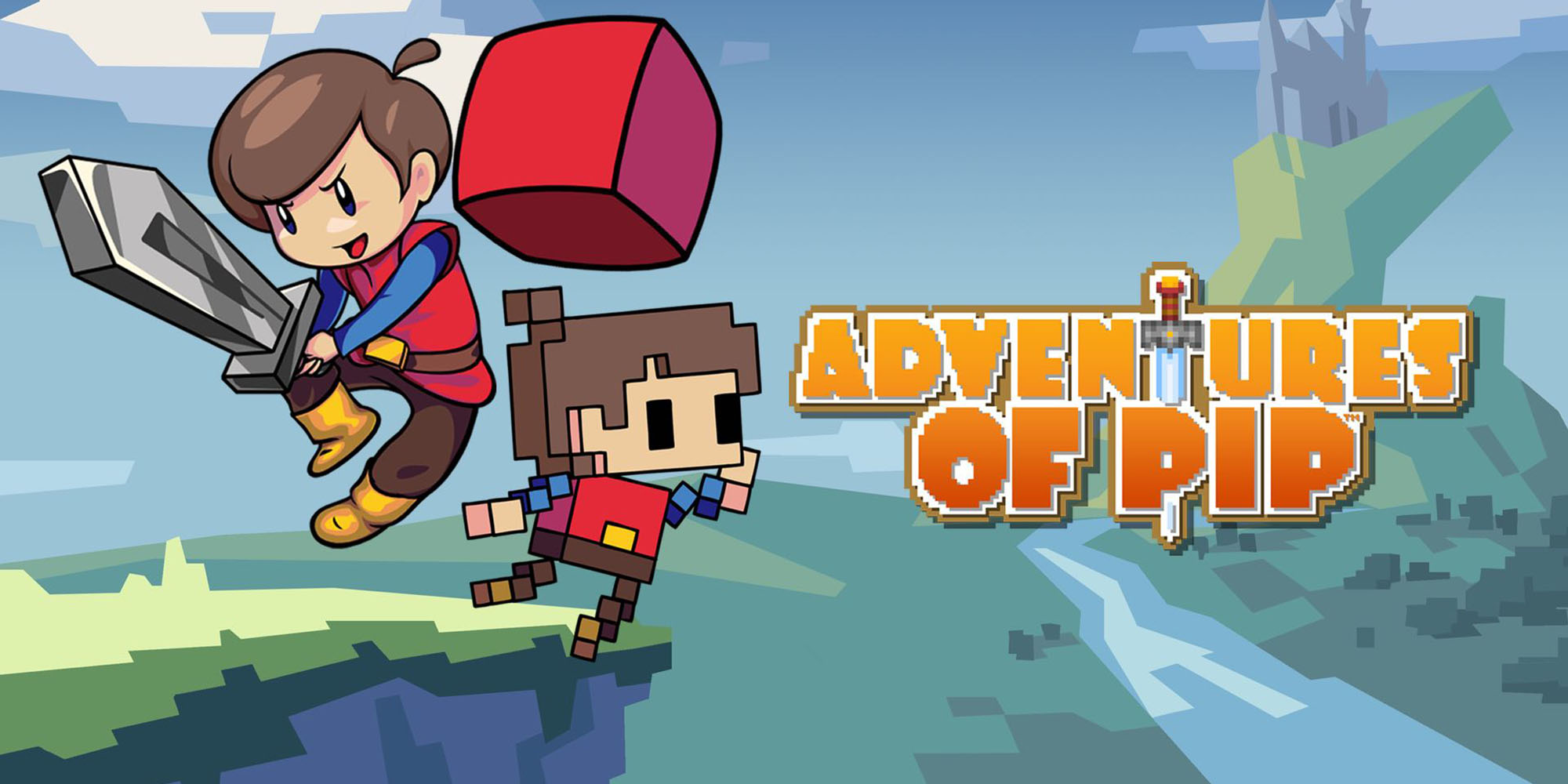
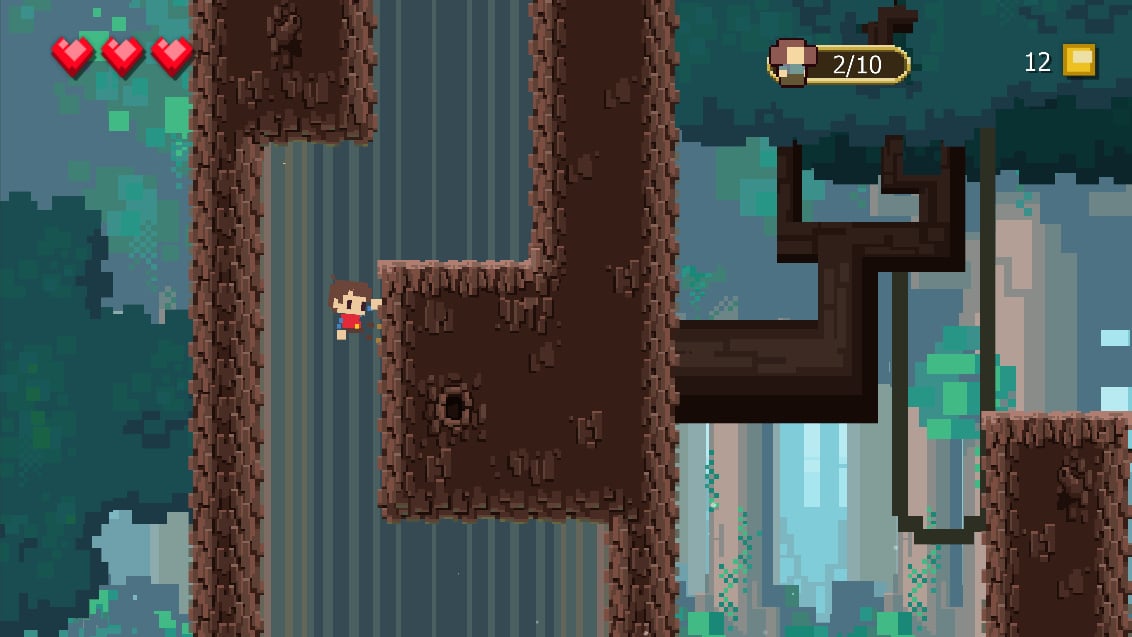
The game’s most striking feature is undoubtedly its visual design. “Adventures of Pip” masterfully utilizes pixel art to create a world that feels both nostalgic and fresh. The contrast between the single-pixel protagonist and the higher-resolution environments creates a compelling visual dynamic, highlighting Pip’s journey through this diverse world. The use of color palettes is deliberate, creating distinct moods for each area, from the lush forests to the ominous castles. The game leverages Unity’s capabilities to achieve smooth animations and particle effects, enhancing the overall visual experience.
Gameplay Mechanics and Core Systems
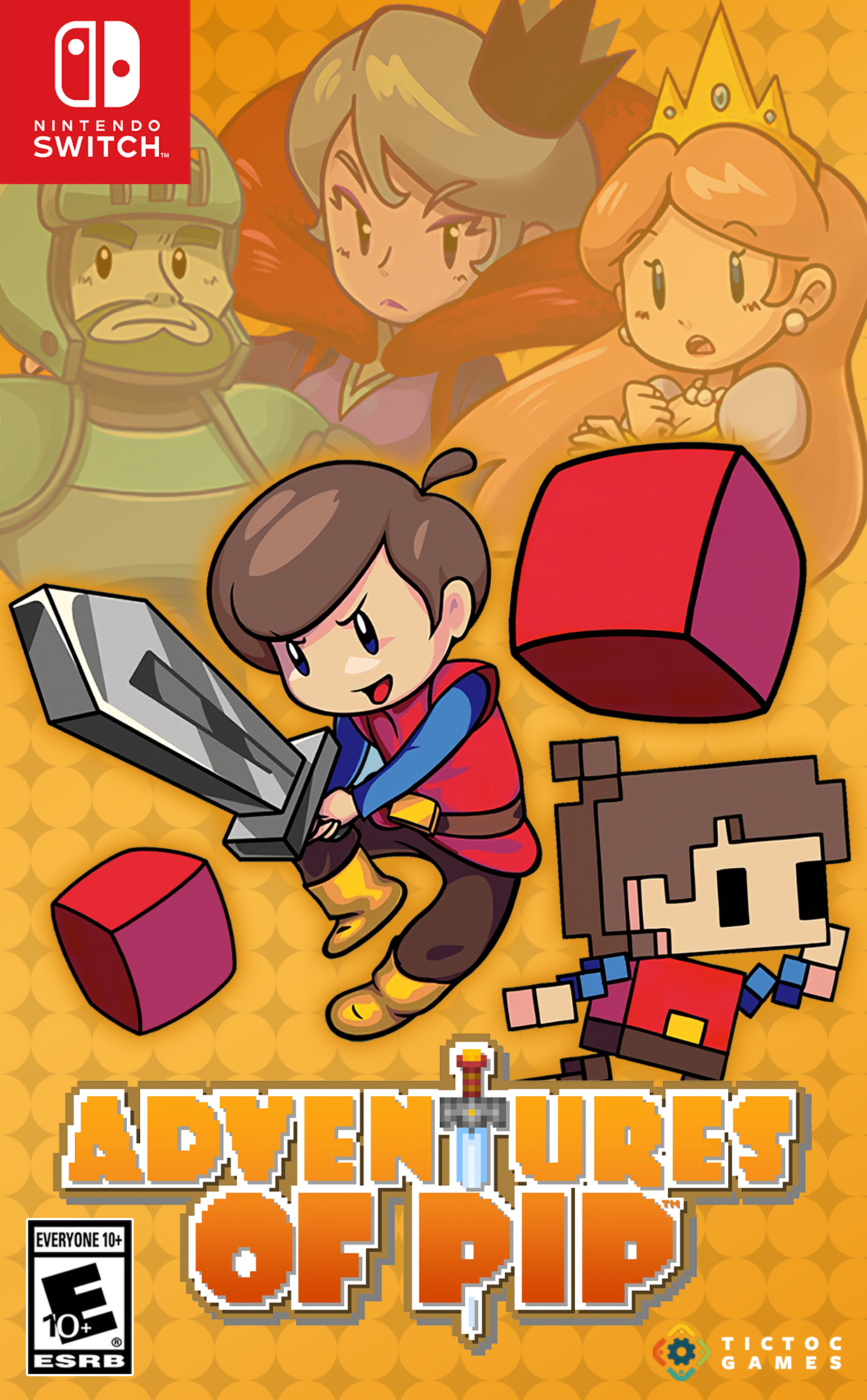
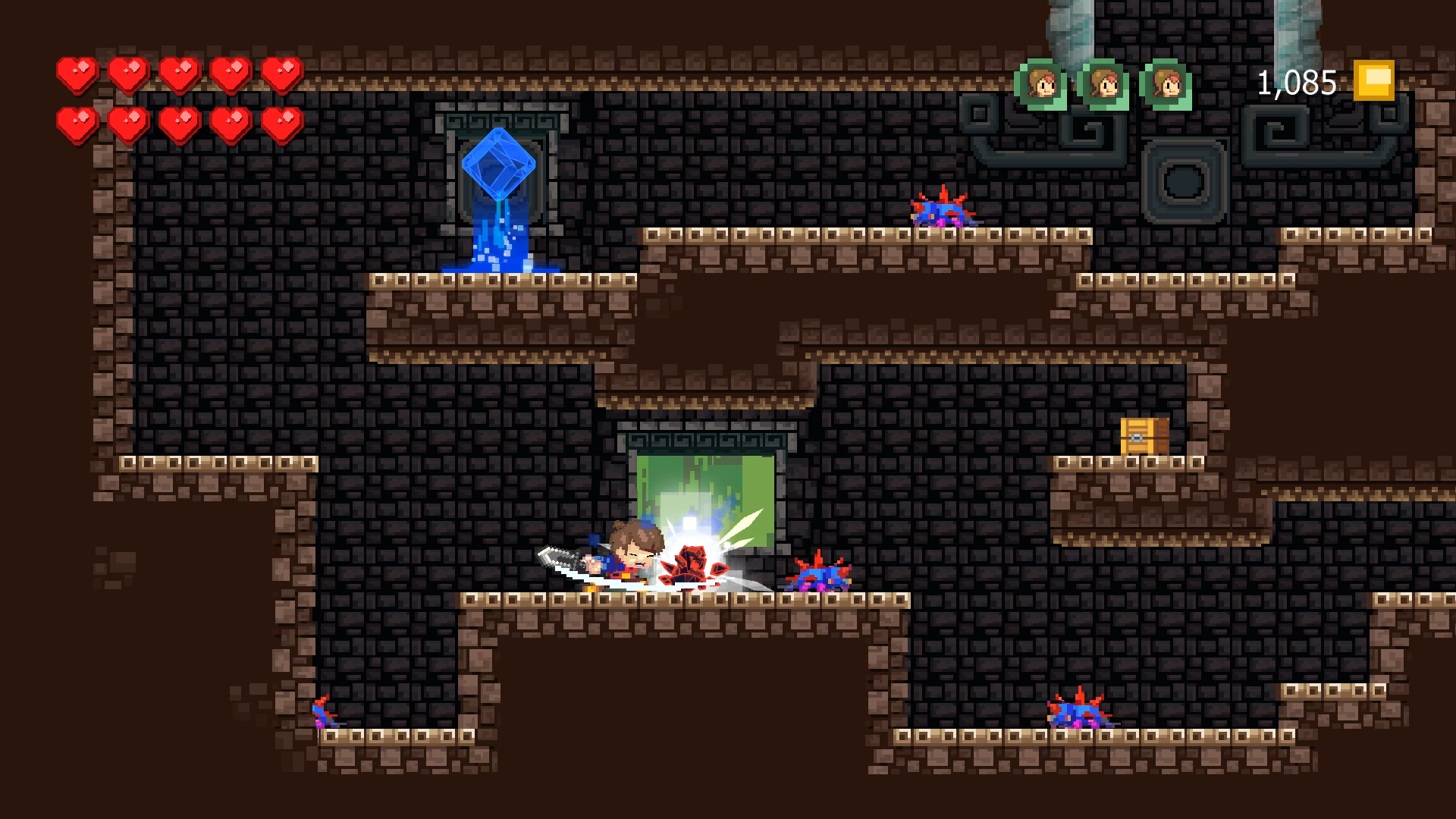
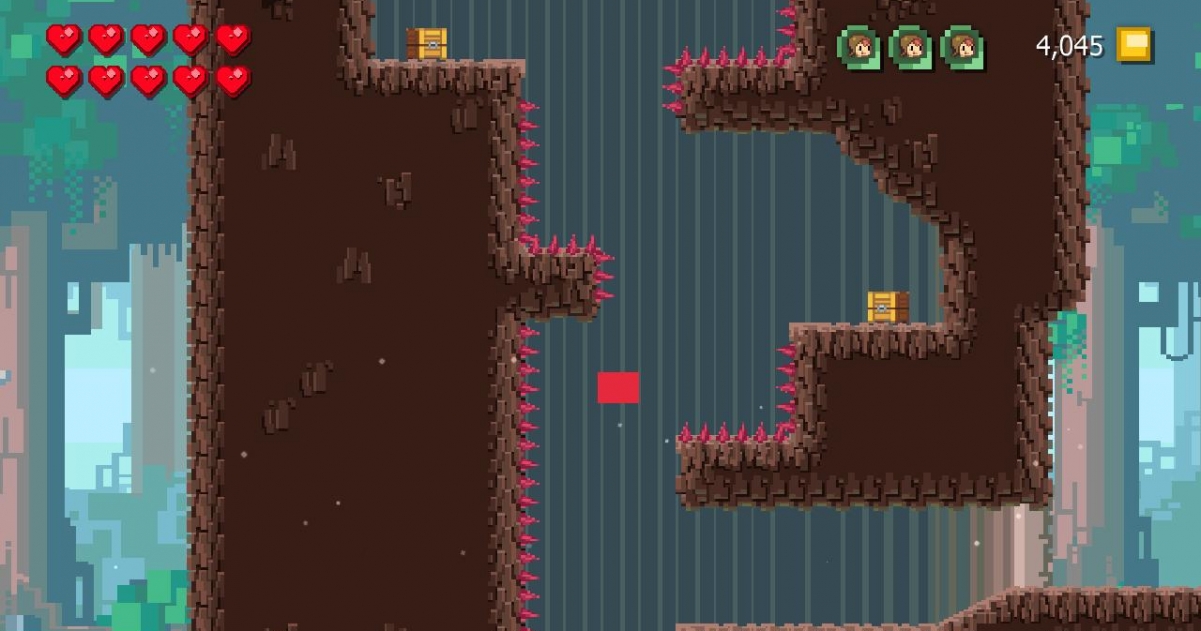
At its core, “Adventures of Pip” is a platformer, but it introduces unique mechanics that set it apart. The ability for Pip to evolve between single-pixel, 8-bit, and 16-bit forms adds layers of strategic depth. Each form has its own advantages: the single-pixel can fit through tight spaces, the 8-bit form offers increased strength, and the 16-bit form boasts enhanced abilities like double jumping and ranged attacks. Mastering these transformations is crucial for overcoming obstacles and defeating enemies. The game also features wall jumps, block breaking, floating mechanics, and a variety of collectibles, providing ample opportunities for exploration and experimentation.
Level Design and World Atmosphere
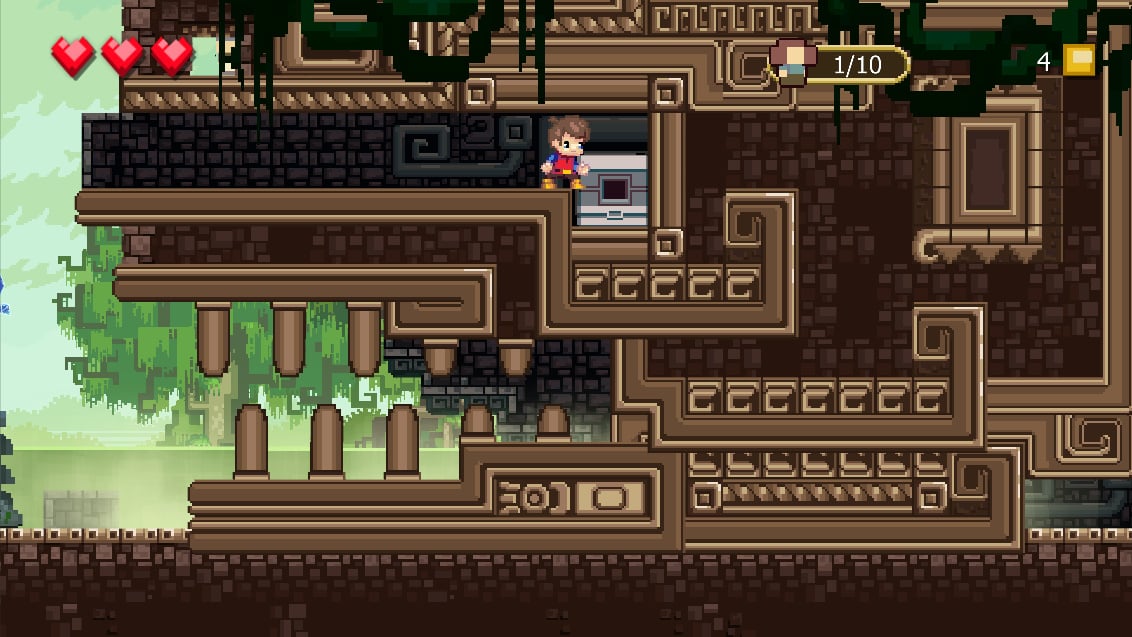
The level design in “Adventures of Pip” is meticulously crafted to complement the gameplay mechanics. Each level presents a series of challenges that require players to utilize Pip’s evolving abilities strategically. The environments are diverse and visually appealing, ranging from vibrant forests to dark and foreboding castles. The game effectively uses environmental storytelling to create a sense of atmosphere and immersion. The placement of collectibles and hidden areas encourages exploration and rewards attentive players.
Narrative Depth and Character Profiles
While the gameplay is central, “Adventures of Pip” also features a charming narrative. The story revolves around Pip’s quest to rescue Princess Adeline from the clutches of Queen DeRezia, who has transformed the King and Queen into pixels. The characters are well-defined, each with their own motivations and personalities. While the story is relatively simple, it provides a compelling context for Pip’s journey and adds emotional weight to his actions.
Sound Design and Acoustic Realism
Jake Kaufman’s soundtrack perfectly complements the game’s visuals and gameplay. The music ranges from upbeat and cheerful melodies to darker, more atmospheric pieces that enhance the sense of tension and danger. The sound effects are also well-executed, providing satisfying feedback for Pip’s actions and adding to the overall immersive experience. The combination of visual and auditory elements creates a cohesive and engaging sensory experience.
Release Expectations and Community Hype
Upon its initial release, “Adventures of Pip” generated considerable buzz within the indie gaming community. Its unique art style, innovative gameplay mechanics, and charming narrative resonated with players seeking fresh and original experiences. The game’s availability on multiple platforms further contributed to its widespread appeal. The positive reception from critics and players alike solidified its place as a standout title in the platforming genre.
Conclusion: The Future of Adventures of Pip
“Adventures of Pip” stands as a testament to the power of creative game design and artistic vision. Its blend of retro aesthetics, innovative gameplay mechanics, and charming narrative has cemented its place as a beloved title in the indie gaming landscape. While the game’s initial release was several years ago, its enduring appeal suggests that it will continue to captivate players for years to come. The game’s success also paved the way for future projects from Tic Toc Games, demonstrating the impact of this unique and memorable adventure.
Source: Wikipedia