

For decades, readers have debated the greatest final act in fantasy literature, weighing George R.R. Martin’s thunderous return of dragons against Brandon Sanderson’s universe-altering revelations of godhood, and Stephen King’s existential loops against Andrzej Sapkowski’s metafictional continuities. But the single most celebrated closing line in the genre’s history belongs to none of these — it belongs to J.R.R. Tolkien, and it is a mere three words: “Well, I’m back.” Set against the sprawling mythos of The Lord of the Rings, Tolkien’s quiet finale has become a touchstone for a generation of writers and readers, offering a masterclass in restraint that continues to shape how fantasy endings are understood today.
Where most fantasy epics choose spectacle for their denouement — a coronation, a collapsing tower, a cosmic revelation — Tolkien deliberately shrinks the lens. After three volumes of apocalyptic war, immortal Elves, and a world-shattering Ring, the narrative winds down to a single figure: the weary Samwise Gamgee, walking home. The true climax is not a battle but a farewell, and the true triumph is not ascension but the right to return. In a genre obsessed with mythic grandeur, this radical simplicity has earned the line its legendary status.
A Farewell, Not a Triumph
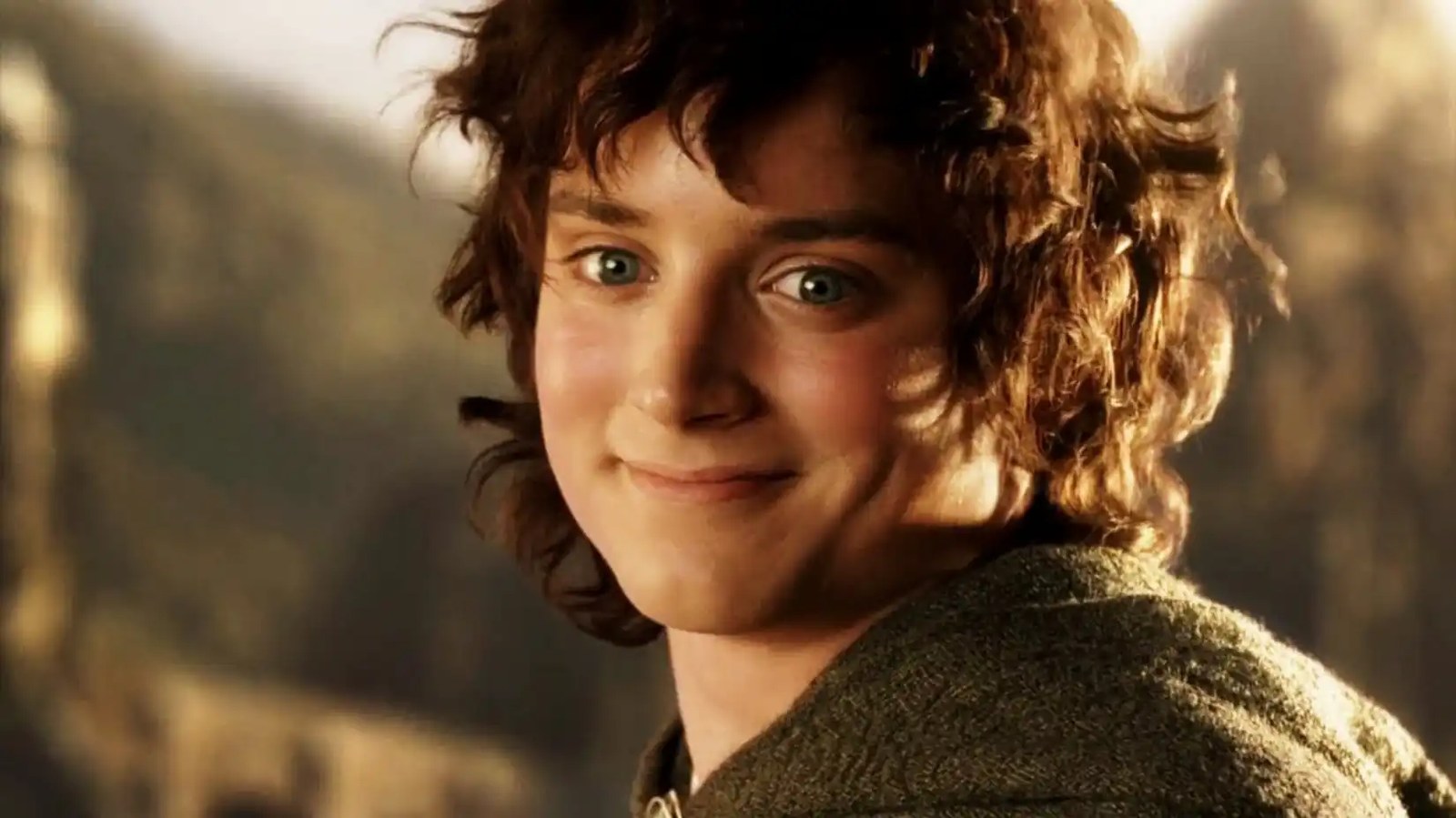
Tolkien resists the temptation to close on the coronation of King Aragorn or the fall of Barad-dûr. Instead, the hobbits return to liberate the Shire from Saruman’s industrialized rot, only for Frodo to realize his psychological wounds are too deep to heal. He departs for the Undying Lands from the Grey Havens, leaving Sam behind to inherit Bag End. Sam simply walks back up the hill, opens his green door to his wife Rosie and daughter Elanor, and sits down. The book closes with the simple phrase: “Well, I’m back.”
Far more than a cozy sign-off, those words serve as a thesis statement for the entire trilogy. In three short sentences, Tolkien answers the question of what every bloody battle, fallen kingdom, and grueling mile was ultimately for. The ultimate purpose of surviving an apocalyptic quest is not glory, power, or ascension — it is the right to return to the ordinary life you fought to save. For a legendarium defined by the endless burden of the “Road,” where the trail perpetually leads onward into myth, its most unforgettable moment is not a step into legend, but the definitive act of coming home.
Forged In The Trenches
Tolkien’s focus on domestic life was never merely a narrative choice — it was rooted in his own lived trauma. As a veteran of the Battle of the Somme, one of the bloodiest conflicts in human history, he watched the mechanized horror of World War I wipe out nearly all of his closest friends. He knew firsthand what happened when the mud cleared and the surviving soldiers returned to England. They were not triumphant demigods, but traumatized and shell-shocked men tasked with picking up spades and returning to ordinary jobs in quiet towns, carrying wounds invisible to the rest of the world.
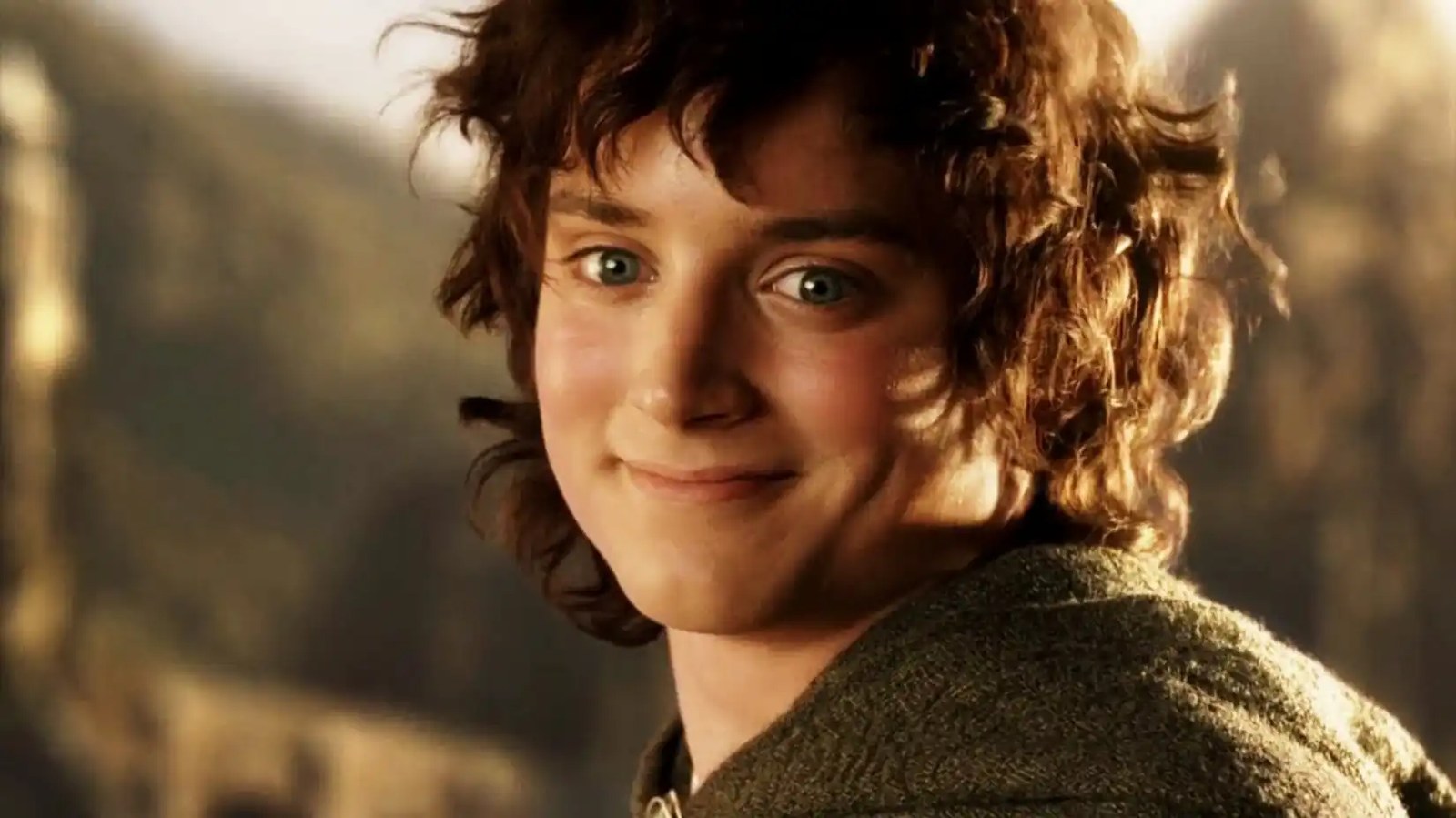
That experience fundamentally shaped his vision of Middle-earth. Tolkien understood that the most profound part of a war story is not the defeat of the dark lord, but what happens after. The world does not freeze in place once the enemy falls, nor does history stop when the book closes. Middle-earth continues to turn, and its survivors must find a way to exist inside it. By denying readers a mythic spectacle and giving Samwise Gamgee the final word, Tolkien insists that saving the world is only half the battle. The true triumph is having the courage to step back into the quiet rhythm of normal life and simply go on.
The Melancholy Beneath The Words
Beneath those final words lies a lingering melancholy. Sam has returned, but he is no longer the hobbit who left — nor is Frodo, nor is the Shire itself. Tolkien refuses to rush toward a sanitized resolution, choosing instead to let the permanent scars of war settle into the earth. The quest is finished, but its consequences remain.
It is this emotional honesty that explains why the line has aged so effortlessly across seven decades of fantasy literature. The genre has spent generations trying to replicate Tolkien’s sprawling worldbuilding and cosmic stakes, but its most enduring endings understand the human truth that dark lords can fall, prophecies can be fulfilled, and rings can melt in the fire — but when the dust clears, someone still has to go home and live in the world left behind. After everything Sam has gone through, there is something almost impossibly satisfying about him finally doing exactly that.
Looking Ahead
As fantasy continues to evolve, the legacy of Tolkien’s closing line endures as a quiet reminder of what makes the genre resonate. The debate over the greatest fantasy ending may never fully resolve, but “Well, I’m back” remains the standard against which others are measured — a reminder that the most powerful stories are not the ones that end in spectacle, but the ones that let us, and our characters, finally come home.



1 comment
[…] Article: The Simplest Words In Fantasy History: Why Tolkien’s “Well, I’m Back” Still Resonate… Kaynak: Rock Paper Shotgun […]